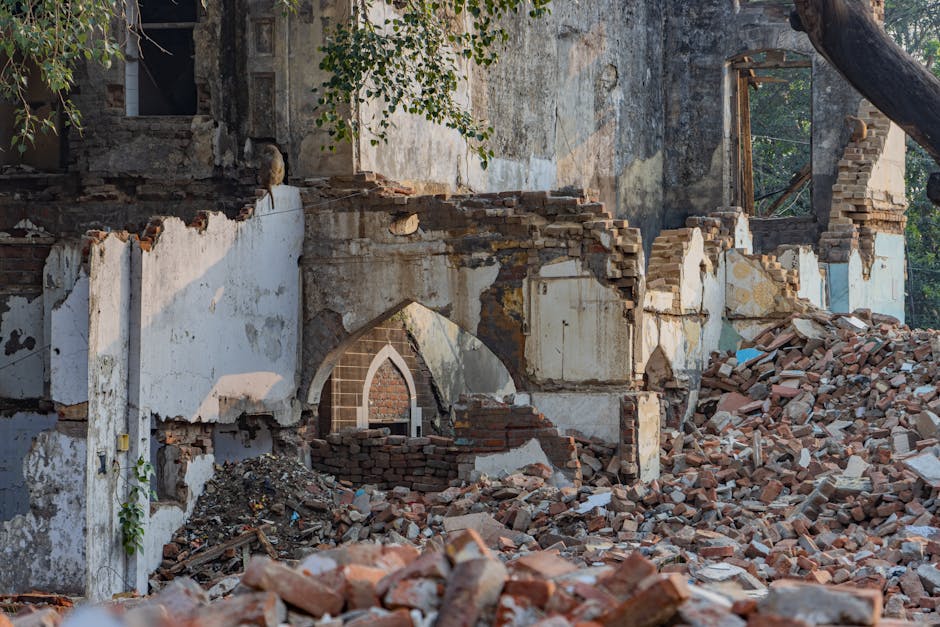
- Gaza requires $71 billion over the next decade to recover from decades of conflict, with critical sectors like housing, health, and education severely degraded.
- The EU and UN report highlights Gaza’s economy as one of the poorest in the world, with GDP per capita at just over $1,000.
- The report underscores the chronic issues of unemployment, poverty, and food insecurity, making Gaza one of the most pressing humanitarian crises globally.
- The blockade by Israel and Egypt has further hindered Gaza’s economic recovery, restricting movement and trade.
- The situation is not just a humanitarian crisis but also a developmental emergency, requiring a comprehensive and sustained international response.
The Gaza Strip, a Palestinian enclave bordering Israel, is in dire need of massive investment to recover from decades of conflict, with a staggering $71 billion required over the next decade, according to a recent report by the European Union and the United Nations. This staggering figure underscores the enormity of the challenge facing the international community as it seeks to rebuild and revitalize the devastated region. The report highlights the severe impact of conflict on Gaza’s critical sectors, including housing, health, education, commerce, and agriculture, which have been severely degraded, leaving millions of Palestinians without access to basic necessities. The situation is exacerbated by the region’s chronic unemployment, poverty, and food insecurity, making it one of the most pressing humanitarian crises in the world.
Rebuilding a Shattered Economy

The EU and UN report emphasizes that the situation in Gaza is not just a humanitarian crisis but also a developmental emergency, requiring a comprehensive and sustained response from the international community. The report notes that Gaza’s economy has been severely impacted by the conflict, with the enclave’s GDP per capita plummeting to just over $1,000, making it one of the poorest regions in the world. The blockade imposed by Israel and Egypt has further exacerbated the situation, restricting the movement of people and goods, and crippling the region’s ability to export goods and attract investment. As a result, Gaza’s infrastructure, including its roads, water treatment plants, and energy grid, is in a state of disrepair, making it difficult to provide basic services to the population.
Assessing the Damage

The report provides a detailed assessment of the damage inflicted on Gaza’s critical sectors, highlighting the need for urgent investment to rebuild and restore essential services. The housing sector, for example, has been severely impacted, with thousands of homes destroyed or damaged, leaving tens of thousands of people without shelter. The health sector is also in crisis, with hospitals and medical facilities severely understaffed and under-equipped, making it difficult to provide adequate medical care to the population. The education sector is similarly affected, with schools damaged or destroyed, and teachers struggling to provide quality education to students. The report also notes that Gaza’s commerce and agriculture sectors have been severely impacted, with businesses forced to close, and farmers struggling to access markets and export their produce.
Understanding the Crisis
The crisis in Gaza is complex and multifaceted, with deep-rooted causes that require a comprehensive and sustained response from the international community. The report notes that the conflict has created a culture of dependency, with many Palestinians reliant on international aid to survive. However, the report also emphasizes that Gaza has significant economic potential, with a highly educated and skilled workforce, and a strategic location that makes it an important hub for trade and commerce. To unlock this potential, the report recommends a comprehensive approach that addresses the root causes of the crisis, including the blockade, the occupation, and the lack of a political solution. The report also emphasizes the need for investment in critical sectors, including infrastructure, education, and healthcare, to create jobs, stimulate economic growth, and improve living standards.
Looking to the Future
The report’s findings have significant implications for the international community, which must now consider how to respond to the crisis in Gaza. The report emphasizes that a business-as-usual approach will not suffice, and that a new and more comprehensive strategy is required to address the root causes of the crisis. The report recommends a significant increase in investment in Gaza, including funding for infrastructure, education, and healthcare, as well as support for the private sector and civil society. The report also emphasizes the need for a political solution to the conflict, including an end to the blockade and the occupation, and the establishment of a sovereign Palestinian state. As the international community considers its response to the report, it is clear that the situation in Gaza will remain a major challenge, requiring sustained attention and investment to rebuild and revitalize the devastated region.
Expert Perspectives
Experts agree that the report’s findings are a wake-up call for the international community, which must now take urgent action to address the crisis in Gaza. According to Dr. Sara Roy, a leading expert on the Palestinian economy, “the report highlights the devastating impact of the conflict on Gaza’s economy and society, and the need for a comprehensive and sustained response from the international community.” However, others, such as Dr. Daniel Levy, a former Israeli negotiator, argue that “the report’s recommendations are unrealistic and do not take into account the security concerns of Israel and the need for a political solution to the conflict.” Despite these differing perspectives, it is clear that the situation in Gaza requires urgent attention and investment to prevent further deterioration and promote economic growth and stability.
As the international community looks to the future, it is clear that the situation in Gaza will remain a major challenge, requiring sustained attention and investment to rebuild and revitalize the devastated region. The report’s findings raise important questions about the effectiveness of current aid strategies and the need for a new and more comprehensive approach to addressing the crisis. As experts and policymakers consider the report’s recommendations, they must also confront the difficult questions about the future of Gaza and the Palestinian people, including the need for a political solution to the conflict, the establishment of a sovereign Palestinian state, and the promotion of economic growth and stability in the region. Ultimately, the report serves as a reminder that the crisis in Gaza is not just a humanitarian emergency but also a developmental challenge that requires a sustained and comprehensive response from the international community.