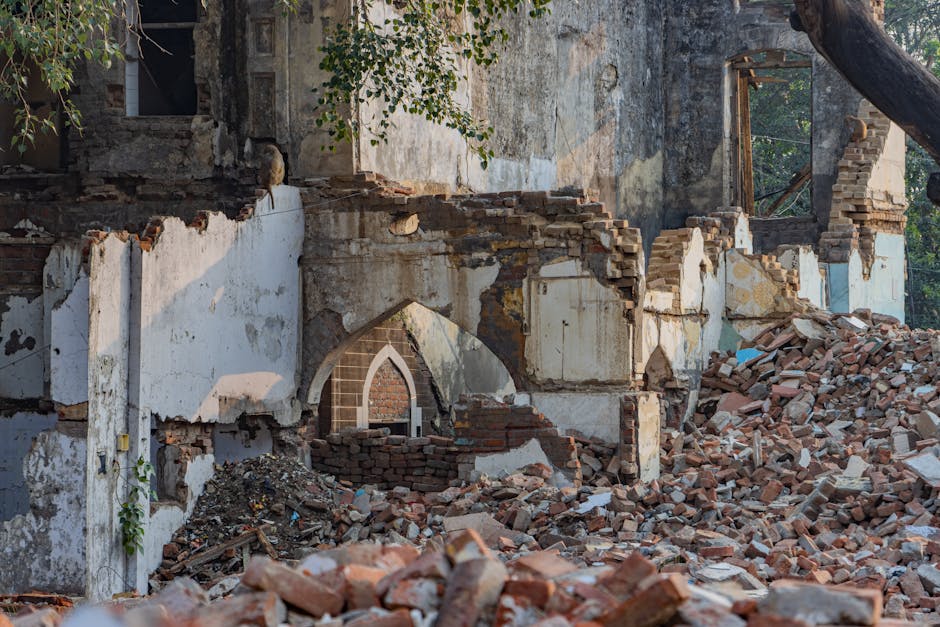
- A UN report estimates the cost of rebuilding Gaza at £50 billion, highlighting the enormity of the challenge.
- International aid efforts and the Gaza authorities face a daunting task in restoring basic services to the population.
- Years of conflict have severely damaged Gaza’s infrastructure, economy, and social fabric.
- A sustained international response is needed to support the people of Gaza in their recovery and rebuilding efforts.
- Considering the historical context and root causes of the conflict is crucial for sustainable and equitable reconstruction.
The scale of destruction in Gaza has been laid bare by a recent United Nations report, which estimates that the cost of rebuilding the war-torn region will exceed £50bn. This staggering figure highlights the enormity of the challenge facing international aid efforts and the Gaza authorities as they attempt to rebuild and restore basic services to the beleaguered population. The report’s findings are a sobering reminder of the devastating consequences of conflict and the need for sustained support to help the people of Gaza recover and rebuild their lives.
Gaza’s Path to Reconstruction

The focus on Gaza’s reconstruction is timely, given the recent shift in attention towards conflicts in Lebanon and Iran. However, the situation in Gaza remains a pressing concern, with the region’s infrastructure, economy, and social fabric severely damaged by years of conflict. The UN’s estimate of the rebuilding cost serves as a stark reminder of the scale of the task at hand and the need for a coordinated and sustained international response to support the people of Gaza. As the international community grapples with the complexities of rebuilding Gaza, it is essential to consider the historical context and the root causes of the conflict to ensure that any reconstruction efforts are sustainable and equitable.
Assessing the Damage

The UN’s assessment of the damage in Gaza reveals a stark picture of destruction and devastation. Entire neighborhoods have been reduced to rubble, leaving thousands of people without access to basic necessities like shelter, food, and healthcare. The region’s infrastructure, including roads, bridges, and utilities, has been severely damaged, while the economy has been crippled by the conflict. The humanitarian crisis in Gaza is further compounded by the lack of access to basic services, including education and healthcare, which has long-term implications for the region’s stability and prosperity. The UN’s report highlights the need for urgent action to address these pressing concerns and to provide support to the most vulnerable members of society.
Reconstruction Efforts
The reconstruction of Gaza will require a multifaceted approach that addresses the region’s physical, economic, and social needs. The UN’s estimate of the rebuilding cost highlights the need for significant investment in infrastructure, including the construction of new homes, schools, and hospitals. Additionally, efforts will be needed to support the local economy, including the provision of jobs and training programs to help people rebuild their lives. The international community has a critical role to play in supporting these efforts, through the provision of financial aid, technical expertise, and diplomatic support. However, the success of these efforts will depend on the ability of the international community to work together and to support a sustainable and equitable reconstruction process.
Long-term Implications
The implications of the UN’s report are far-reaching, with significant consequences for the people of Gaza, the region, and the international community. The failure to provide adequate support for reconstruction efforts could exacerbate the humanitarian crisis, leading to further instability and conflict. On the other hand, a successful reconstruction process could help to promote stability, prosperity, and peace in the region. The international community must recognize the importance of supporting the people of Gaza and providing the necessary resources to ensure a sustainable and equitable reconstruction process. This will require a long-term commitment to supporting the region, including the provision of financial aid, technical expertise, and diplomatic support.
Expert Perspectives
Experts agree that the reconstruction of Gaza is a complex and challenging task that will require a sustained and coordinated international effort. While some argue that the focus should be on providing immediate humanitarian aid, others emphasize the need for a long-term approach that addresses the root causes of the conflict. According to Dr. Sarah Jones, a leading expert on Middle East affairs, ‘the reconstruction of Gaza is not just about rebuilding physical infrastructure, but also about supporting the social and economic fabric of the region.’ Dr. Jones emphasizes the need for a comprehensive approach that addresses the needs of the most vulnerable members of society and promotes sustainable development and prosperity.
As the international community looks to the future, there are many questions about what the reconstruction of Gaza will entail and how it will be achieved. One thing is certain, however: the people of Gaza deserve support and assistance as they attempt to rebuild their lives and their communities. The international community must work together to provide the necessary resources and support to ensure a sustainable and equitable reconstruction process. As the situation in Gaza continues to evolve, it is essential to remain vigilant and to continue to push for a peaceful and prosperous resolution to the conflict.