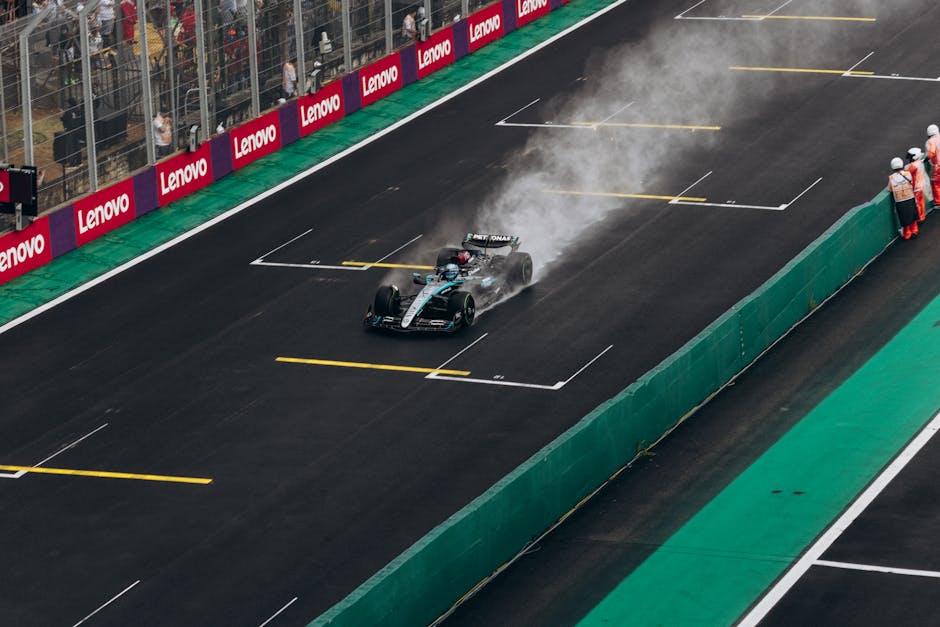
- FIA implements rule changes in response to driver dissatisfaction and safety concerns in Formula One.
- Energy management issues have sparked significant debate among drivers and teams in recent months.
- New regulations are expected to address challenges and enhance safety for the remainder of the season.
- The FIA’s decision highlights its commitment to prioritizing safety and fairness in the sport.
- These changes reflect the governing body’s adaptability to the sport’s evolving needs and concerns.
The world of Formula One has witnessed a significant development with the FIA confirming rule changes for the ongoing season. This move comes in response to growing driver dissatisfaction and escalating safety fears, which have been at the forefront of discussions in recent months. Notably, the tweaks to the rules are designed to address energy management issues that have been a major point of contention among drivers. With the sport’s governing body acknowledging the need for swift action, these changes are expected to have a profound impact on the remainder of the season. The FIA’s decision underscores its commitment to prioritizing safety and fairness, values that are fundamental to the sport’s integrity.
Background and Context

The introduction of new regulations in Formula One has been a subject of intense debate, with drivers and teams expressing concerns over various aspects of the rules. The energy management system, in particular, has been a focal point of discussion, with many drivers feeling that it poses significant challenges and safety risks. As the season progressed, it became increasingly clear that the FIA needed to take decisive action to address these concerns and restore confidence among drivers. The confirmation of rule changes is a testament to the FIA’s willingness to listen to feedback and adapt to the evolving needs of the sport. By doing so, the governing body aims to ensure that the sport remains competitive, exciting, and, above all, safe for its participants.
Key Details of the Rule Changes

The rule changes introduced by the FIA are designed to alleviate the energy management issues that have been plaguing drivers. While the specifics of the adaptations are complex and technical, they essentially aim to provide drivers with more flexibility and control over their energy management systems. This, in turn, is expected to reduce the safety risks associated with the current regulations and create a more level playing field for all competitors. The FIA has worked closely with teams and drivers to develop these changes, which are intended to be fair, effective, and easy to implement. As the season moves forward, it will be fascinating to see how these rule changes impact the competition and whether they achieve their intended objectives.
Analysis and Implications
The introduction of rule changes in Formula One is a significant development that will have far-reaching implications for the sport. From a competitive perspective, the adaptations are likely to shake up the current order, as teams and drivers adjust to the new regulations. Moreover, the rule changes will also have a profound impact on safety, as they aim to mitigate the risks associated with energy management. The FIA’s decision to introduce these changes is a clear indication of its commitment to prioritizing safety and fairness, values that are essential to the sport’s reputation and integrity. As the season unfolds, it will be crucial to monitor the effects of these rule changes and assess their effectiveness in achieving their intended objectives.
Impact on Drivers and Teams
The rule changes introduced by the FIA will have a significant impact on drivers and teams, as they navigate the new regulations and adapt to the changed competitive landscape. For drivers, the adaptations will provide more flexibility and control over their energy management systems, which should reduce the safety risks associated with the current regulations. Teams, on the other hand, will need to adjust their strategies and tactics to optimize their performance under the new rules. As the season progresses, it will be fascinating to see how drivers and teams respond to these changes and whether they are able to capitalize on the new opportunities that arise.
Expert Perspectives
Experts within the sport have welcomed the FIA’s decision to introduce rule changes, citing the need for swift action to address driver concerns and safety fears. While some have expressed caution, noting that the changes may take time to bed in, others have praised the FIA’s willingness to listen to feedback and adapt to the evolving needs of the sport. As the season unfolds, it will be crucial to monitor the perspectives of experts and stakeholders, as they provide valuable insights into the impact and effectiveness of the rule changes.
Looking ahead, the introduction of rule changes in Formula One raises important questions about the future of the sport. As the season progresses, it will be fascinating to see how the adaptations impact the competition and whether they achieve their intended objectives. Moreover, the rule changes will also provide a fascinating case study on the complexities of regulating a high-tech, high-stakes sport like Formula One. As the sport continues to evolve, it will be crucial to balance the need for innovation and competitiveness with the imperative of safety and fairness, values that are fundamental to the sport’s integrity and reputation.