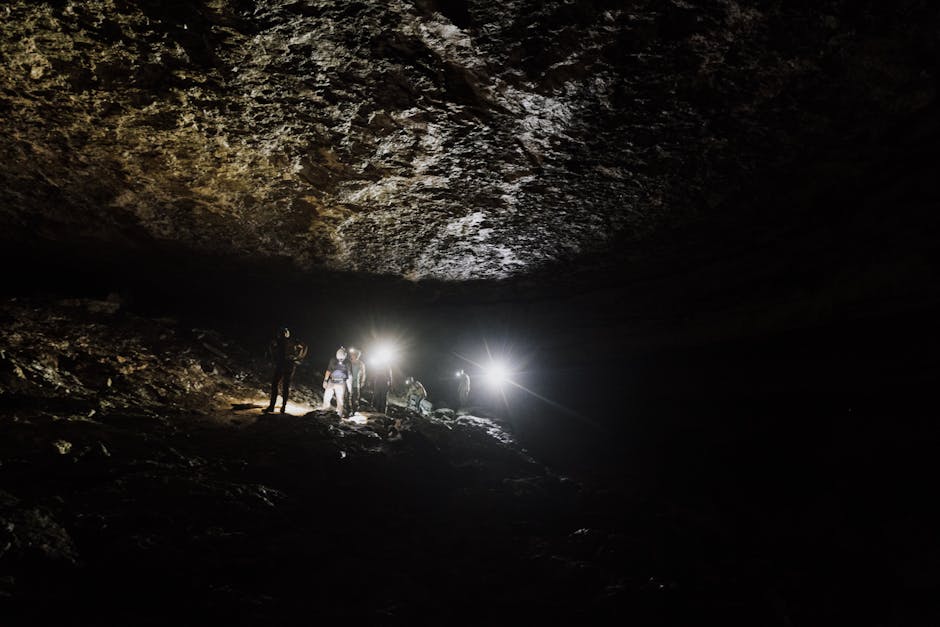
- Researchers studied animal behavior in an African cave where bats are a food source for at least 10 species.
- The ‘bat feasts’ in the cave have significant implications for understanding Marburg virus transmission to humans.
- The cave is a hotspot for the deadly Marburg virus, with hundreds of humans visiting each year.
- The study provides valuable insights into the complex dynamics of virus transmission in the cave ecosystem.
- Understanding the ‘bat feasts’ is crucial for tackling emerging diseases and their transmission dynamics.
A striking fact has emerged from the depths of an African cave, where researchers have been studying the behavior of animals feeding on bats. The cave, a known hotspot for the deadly Marburg virus, has been the subject of a recent study published in Nature, which reveals that no less than 10 species of animals have been observed eating or scavenging bats at the site. This phenomenon, dubbed a ‘bat feast,’ has significant implications for our understanding of how the Marburg virus is transmitted to humans. With hundreds of humans visiting the cave every year, the potential for virus transmission is a pressing concern, and the new research provides valuable insights into the complex dynamics at play.
Uncovering the Secrets of the Cave

The Marburg virus, a highly infectious and deadly disease, has been responsible for numerous outbreaks in Africa over the years. Despite its significance, however, the exact mechanisms of its transmission have remained somewhat of a mystery. The recent study, which involved filming the behavior of animals at the cave, has shed new light on this issue. By observing the ‘bat feasts’ and the animals that participate in them, researchers have been able to gather crucial data on the potential routes of virus transmission. This information is particularly relevant now, as the world continues to grapple with the challenges of emerging diseases and the importance of understanding their transmission dynamics.
African Cave: A Hotspot for Virus Transmission

The African cave, located in a remote region, has long been recognized as a high-risk area for Marburg virus transmission. The cave’s unique environment, which supports a large colony of bats, creates an ideal setting for the virus to spread. The recent research has confirmed that the cave is indeed a hotspot for virus transmission, with hundreds of humans visiting the site every year. The study’s findings, which include footage of 10 species eating or scavenging bats, have significant implications for our understanding of the complex interactions between animals and humans at the cave. The fact that so many different species are involved in the ‘bat feasts’ suggests that the potential for virus transmission is much higher than previously thought.
Understanding the Dynamics of Virus Transmission
The analysis of the footage and data collected during the study has provided researchers with a unique insight into the causes and effects of Marburg virus transmission. By examining the behavior of the animals participating in the ‘bat feasts,’ scientists have been able to identify key factors that contribute to the spread of the disease. These factors include the type of animals involved, the frequency of their visits to the cave, and the nature of their interactions with the bats. The study’s findings have also highlighted the importance of considering the role of human behavior in virus transmission, particularly in relation to the hundreds of visitors who enter the cave every year. As the research continues to unravel the complexities of Marburg virus transmission, it is becoming increasingly clear that a comprehensive understanding of the dynamics at play is essential for the development of effective prevention and control strategies.
Implications for Human Health
The implications of the study’s findings are far-reaching, with significant consequences for human health. The fact that hundreds of humans visit the cave every year, often in close proximity to the animals participating in the ‘bat feasts,’ creates a high-risk environment for virus transmission. The potential for the Marburg virus to spread to humans is a pressing concern, and the new research highlights the need for urgent action to prevent and control the disease. As the world continues to grapple with the challenges of emerging diseases, the study’s findings serve as a timely reminder of the importance of understanding the complex interactions between animals and humans in the transmission of deadly viruses.
Expert Perspectives
Experts in the field have welcomed the study’s findings, highlighting the significance of the research for our understanding of Marburg virus transmission. According to one expert, the study’s results ‘provide a unique insight into the complex dynamics of virus transmission, and underscore the need for a comprehensive approach to prevention and control.’ Another expert noted that the research ‘has significant implications for human health, and highlights the importance of considering the role of animal behavior in the transmission of deadly diseases.’ The study’s findings have sparked a lively debate among experts, with some calling for increased measures to protect humans from the risk of virus transmission, while others argue that more research is needed to fully understand the complexities of the issue.
As researchers continue to study the ‘bat feasts’ and the dynamics of Marburg virus transmission, one question remains: what can be done to prevent the spread of the disease? The answer, according to experts, lies in a combination of education, outreach, and targeted interventions. By working to reduce the risk of virus transmission at the cave, and by promoting a greater understanding of the complex interactions between animals and humans, it may be possible to mitigate the impact of the Marburg virus and save countless lives. As the research continues to unfold, one thing is clear: the study of ‘bat feasts’ has opened up new avenues of investigation, and has the potential to revolutionize our understanding of deadly virus transmission.