The increasing use of artificial intelligence in various industries is poised to have a ‘massively disinflationary’ effect on the economy, according to a report by Northern Trust. This means that the AI boom could lead to a significant decrease in prices and costs, resulting in lower inflation rates. With AI-powered automation and efficiency gains, businesses can reduce their production costs, which can then be passed on to consumers in the form of lower prices. This trend is expected to have far-reaching implications for the economy, from monetary policy to consumer spending.
The Rise of AI-Powered Automation

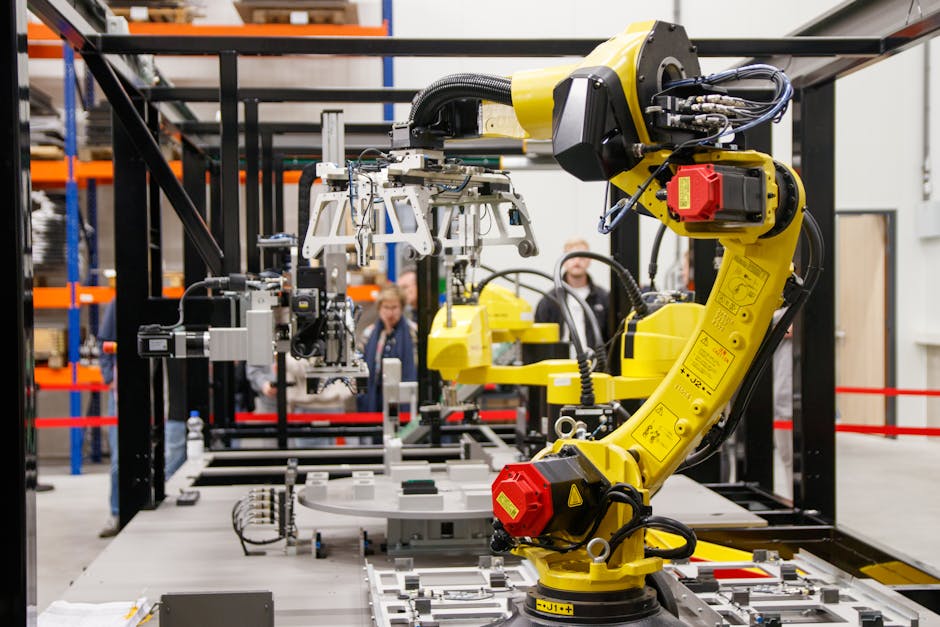
The rise of AI-powered automation is a key factor driving the disinflationary effect of the AI boom. As machines and algorithms take over routine and repetitive tasks, businesses can reduce their labor costs and improve productivity. This can lead to lower production costs, which can then be passed on to consumers. Furthermore, AI-powered automation can also improve the quality and efficiency of production, leading to better products and services at lower prices. The increasing use of AI in industries such as manufacturing, logistics, and customer service is expected to drive this trend, leading to a more efficient and cost-effective economy.
Key Players and Industries

The AI boom is being driven by a range of key players and industries, from tech giants to startups and venture capital firms. Companies such as Google, Amazon, and Microsoft are investing heavily in AI research and development, while startups are emerging with innovative AI-powered solutions. The industries most likely to be affected by the AI boom include manufacturing, logistics, healthcare, and finance. As AI-powered automation and efficiency gains take hold, these industries are expected to see significant cost savings and productivity gains, leading to lower prices and improved services.
Causes, Effects, and Data
The causes of the AI boom’s disinflationary effect are complex and multifaceted. One key factor is the increasing availability of data and computing power, which has enabled the development of sophisticated AI algorithms and models. Another factor is the growing demand for AI-powered solutions, driven by the need for businesses to improve efficiency and productivity. The effects of the AI boom are already being seen in the data, with many industries experiencing significant productivity gains and cost savings. According to a report by McKinsey, the use of AI could lead to a 1.2% increase in global GDP by 2030, driven by productivity gains and efficiency improvements.
Implications and Consequences
The implications of the AI boom’s disinflationary effect are far-reaching and significant. One key consequence is the potential for lower interest rates, as central banks respond to lower inflation rates. This could lead to increased borrowing and spending, driving economic growth and job creation. Another consequence is the potential for increased income inequality, as workers in industries affected by AI-powered automation may see their jobs displaced or their wages reduced. As the AI boom continues to gather pace, it is essential to consider these implications and consequences, and to develop strategies for mitigating any negative effects.
Expert Perspectives
Experts are divided on the potential impact of the AI boom on the economy. Some, such as Northern Trust, see the AI boom as a significant driver of disinflation, leading to lower prices and costs. Others, such as the International Monetary Fund, are more cautious, highlighting the potential risks and challenges associated with the AI boom, including job displacement and increased income inequality. As the debate continues, it is essential to consider a range of expert perspectives and to develop a nuanced understanding of the AI boom’s potential impact on the economy.
Looking ahead, the key question is how the AI boom will play out in the coming years. Will the disinflationary effect continue to drive economic growth, or will other factors, such as trade tensions or geopolitical instability, intervene? As the AI boom continues to gather pace, it is essential to monitor developments closely, and to be prepared for any potential consequences or implications. With the right strategies and policies in place, the AI boom has the potential to drive significant economic growth and improvement, benefiting consumers, businesses, and society as a whole.