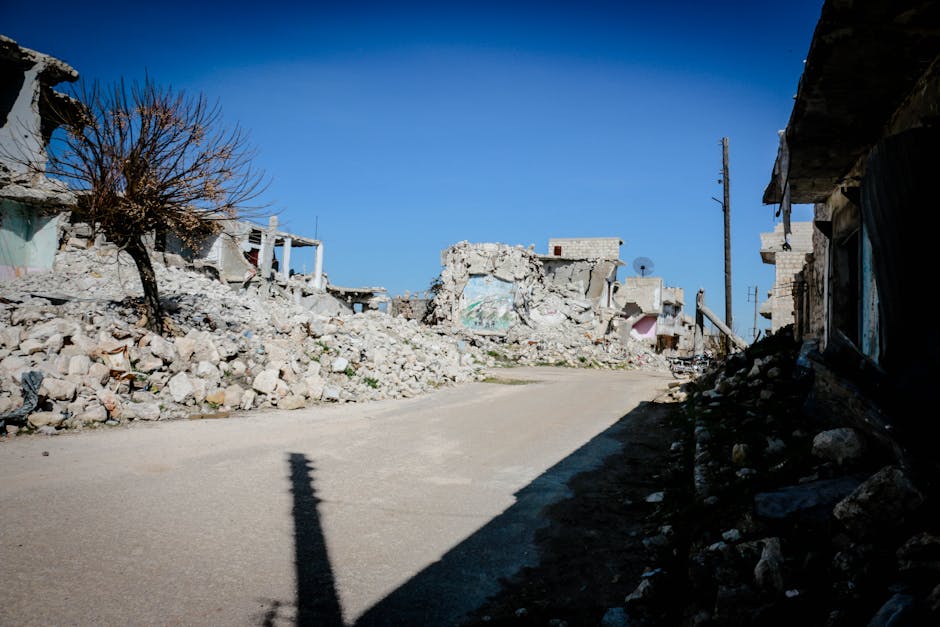
- Tens of thousands of Afghans have been displaced due to the recent escalation of conflict along the Pakistan-Afghanistan border.
- The conflict has resulted in dire humanitarian conditions, with limited access to basic necessities like food, water, and healthcare.
- The precarious situation in tent camps poses significant challenges to the health and well-being of displaced populations.
- The conflict has its roots in historical, political, and territorial disputes between Pakistan and Afghanistan.
- External factors, including geopolitical interests, have exacerbated the volatile situation along the border.
The recent escalation of conflict along the Pakistan-Afghanistan border has resulted in a staggering number of displacements, with tens of thousands of Afghans forced to abandon their homes and seek refuge in makeshift tent camps. This surge in displacement not only underscores the severity of the conflict but also highlights the dire humanitarian situation unfolding in the region. As the international community grapples with the complexities of the conflict, the plight of these displaced individuals serves as a stark reminder of the human cost of war. With limited access to basic necessities such as food, water, and healthcare, the conditions in these tent camps are precarious, posing significant challenges to the health and well-being of the displaced populations.
Background of the Conflict

The conflict along the Pakistan-Afghanistan border is deeply rooted in historical, political, and territorial disputes. The region, often referred to as the Durand Line, has been a point of contention between the two countries since its demarcation in the 19th century. The area is not only strategically important but also hosts a diverse array of ethnic and tribal groups, further complicating the political landscape. Recent years have seen an increase in cross-border skirmishes and terrorist activities, leading to heightened tensions between Pakistan and Afghanistan. This volatile situation has been exacerbated by external factors, including geopolitical interests and the presence of militant groups, contributing to the displacement of thousands of civilians caught in the crossfire.
Key Details of the Displacement

The displacement of Afghans due to the Pakistan border conflict is characterized by its sudden onset and large scale. Reports from the ground indicate that entire villages have been evacuated, with families forced to leave behind their livelihoods and possessions. The tent camps, while providing temporary shelter, are often overcrowded and lack the infrastructure to support the basic needs of the displaced populations. International aid organizations and local NGOs have been working tirelessly to provide relief, including food, shelter, and medical care. However, the sheer number of displaced individuals and the remote location of many camps pose significant logistical challenges to these efforts. As the conflict continues, there is a growing concern about the long-term implications for these displaced Afghans, including their potential integration into host communities or their eventual return to their homes.
Analysis of the Conflict and Displacement
An analysis of the conflict and its impact on civilian populations reveals a complex interplay of political, military, and humanitarian factors. The use of military force in the region has not only led to direct casualties but has also resulted in the destruction of infrastructure, further exacerbating the displacement crisis. From a geopolitical standpoint, the conflict is influenced by the interests of regional and global powers, which can either contribute to the escalation of violence or support efforts towards peace and stability. Experts point to the need for a multifaceted approach to address the root causes of the conflict, including diplomatic efforts to improve relations between Pakistan and Afghanistan, support for the disarmament and rehabilitation of militant groups, and a commitment to protecting human rights and providing humanitarian aid to affected populations.
Implications of the Displacement
The implications of the displacement of Afghans due to the Pakistan border conflict are far-reaching and multifaceted. For the individuals and families displaced, the immediate concerns include access to food, water, shelter, and healthcare. However, the long-term effects of displacement can be equally devastating, including the loss of livelihoods, separation of families, and psychological trauma. Moreover, the displacement crisis has the potential to destabilize the broader region, as the influx of refugees can put a strain on the resources of host countries and communities. Addressing the displacement crisis effectively will require a concerted effort from governments, international organizations, and civil society to not only provide emergency relief but to work towards durable solutions that support the safe and voluntary return of displaced populations to their homes.
Expert Perspectives
Experts in the field offer contrasting viewpoints on the best approach to addressing the displacement crisis resulting from the Pakistan-Afghanistan border conflict. Some emphasize the need for a robust humanitarian response, focusing on the immediate needs of displaced populations. Others argue that a more sustainable solution involves addressing the root causes of the conflict, including through political and diplomatic means. There is a consensus, however, on the importance of protecting the rights and dignity of displaced individuals and ensuring that any response is guided by the principles of neutrality, impartiality, and independence. As the situation continues to evolve, the diversity of expert opinions underscores the complexity of the challenge at hand and the need for a comprehensive and inclusive approach to finding solutions.
Looking forward, one of the key questions is how the international community will respond to the growing humanitarian needs in the region. With the conflict showing no signs of abating, the situation of displaced Afghans is likely to worsen, necessitating a scaled-up and sustained response. Observers will be watching closely to see how governments, especially those in the region, and international organizations coordinate their efforts to provide relief and work towards a peaceful resolution of the conflict. The ability to provide effective support to displaced populations while simultaneously addressing the underlying causes of the conflict will be crucial in mitigating the humanitarian crisis and paving the way for long-term stability and peace in the region.