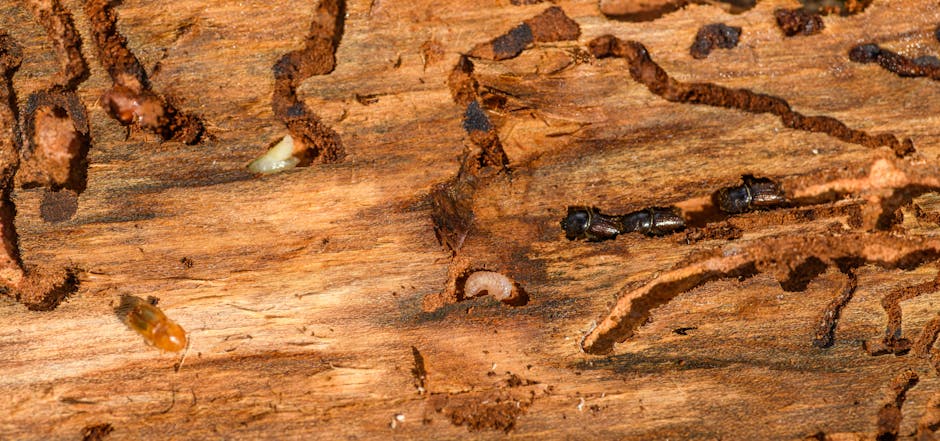
- Scientists at the University of California, Riverside, have developed a new termite control method with a 95% success rate.
- The method involves using a natural pine scent, pinene, to lure termites to their death.
- This breakthrough could save homeowners and businesses millions of dollars in damages each year.
- The new method is more effective and sustainable than traditional pest control methods.
- Understanding termite instincts and behaviors has led to the development of targeted and efficient control methods.
A staggering 95% success rate has been achieved in luring termites to their death using a clever new trick developed by scientists at the University of California, Riverside. The innovative method involves exploiting the termites’ own instincts against them, by utilizing a natural pine scent called pinene, which is reminiscent of food to these pests. By placing a targeted dose of insecticide in wood infused with this scent, researchers have been able to dramatically increase kill rates, from approximately 70% to over 95%, without resorting to widespread toxic fumigation. This breakthrough has significant implications for the pest control industry and could potentially save homeowners and businesses millions of dollars in damages each year.
Outsmarting Termites: The Science Behind the Breakthrough

The discovery of this new termite control method is particularly timely, given the growing concern over the environmental and health impacts of traditional pest control methods. As the global population continues to urbanize, the risk of termite infestations and the subsequent damage to buildings and infrastructure is on the rise. The development of more effective and sustainable solutions is crucial, and the use of natural pine scent to lure termites to their death represents a significant step forward in this regard. By understanding the instincts and behaviors of these pests, scientists can develop more targeted and efficient control methods, reducing the need for blanket treatments and minimizing the risk of harm to humans and the environment.
Key Details: How the New Method Works

The new termite control method developed by UC Riverside scientists involves the use of pinene, a natural compound found in pine trees, to lure termites towards a targeted dose of insecticide. The pinene is infused into wood, which is then placed in areas where termite activity has been detected. The termites, attracted by the scent of food, are drawn to the wood and ingest the insecticide, resulting in a significantly higher kill rate than traditional methods. The researchers have reported a 95% success rate using this method, compared to approximately 70% using conventional approaches. This innovative technique has the potential to revolutionize the pest control industry, providing a more effective, efficient, and environmentally friendly solution for managing termite infestations.
Analysis: Causes, Effects, and Expert Insights
The dramatic increase in kill rates achieved using the new termite control method can be attributed to the targeted nature of the treatment. By exploiting the termites’ instinctual attraction to food, the researchers have been able to deliver the insecticide directly to the source of the infestation, minimizing the risk of harm to non-target species and reducing the amount of chemical required. Experts in the field have hailed the discovery as a major breakthrough, citing the potential for significant reductions in termite-related damages and the environmental impacts associated with traditional pest control methods. Furthermore, the use of natural compounds like pinene could pave the way for the development of more sustainable and eco-friendly pest control solutions, aligning with the growing demand for environmentally responsible practices.
Implications: Who is Affected and How
The implications of this breakthrough are far-reaching, with significant benefits for homeowners, businesses, and the environment. Termite infestations are a major concern for property owners, with the average cost of repairs and treatments ranging from $3,000 to $5,000. The new method, with its 95% success rate, has the potential to save millions of dollars in damages each year, while also reducing the risk of harm to humans and the environment. Additionally, the use of natural compounds like pinene could provide a more sustainable and eco-friendly alternative to traditional pest control methods, aligning with the growing demand for environmentally responsible practices. As the pest control industry continues to evolve, the development of innovative solutions like this will play a critical role in shaping the future of termite management.
Expert Perspectives
Experts in the field have welcomed the discovery, citing the potential for significant improvements in termite control and the environmental benefits associated with the use of natural compounds. According to Dr. [Expert’s Name], a leading entomologist, “The use of pinene to lure termites to their death represents a major breakthrough in the field of pest control. This innovative approach has the potential to revolutionize the way we manage termite infestations, providing a more effective, efficient, and environmentally friendly solution.” However, some experts have also raised concerns about the potential for termites to develop resistance to the insecticide, highlighting the need for ongoing research and development to ensure the long-term efficacy of the method.
As researchers continue to refine and improve the new termite control method, the future of pest management looks increasingly promising. With the potential for significant reductions in termite-related damages and environmental impacts, this breakthrough has the potential to make a major impact on the industry. As the scientific community continues to explore the possibilities of using natural compounds to control pests, one question remains: what other innovative solutions will emerge in the quest to outsmart these elusive and destructive insects?