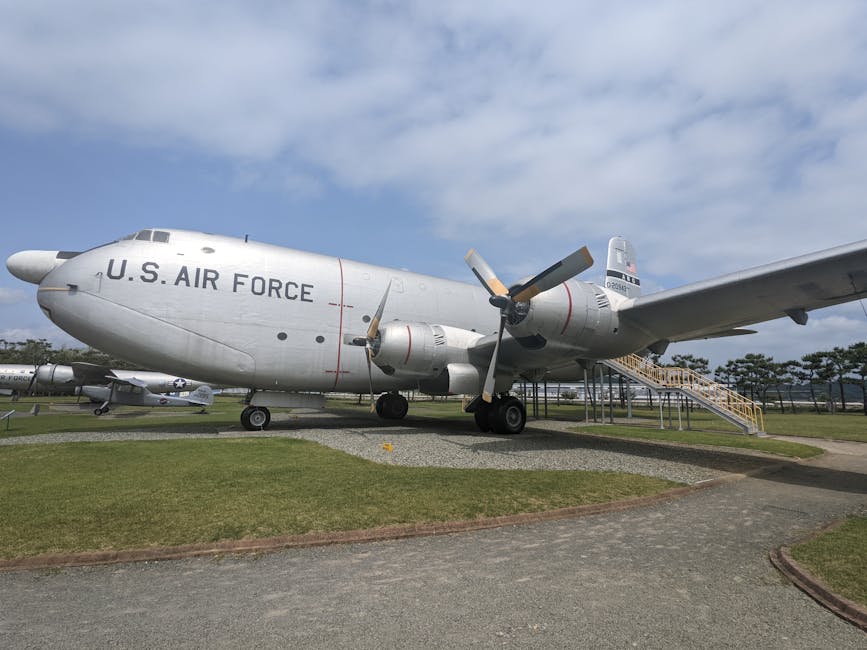
- Japan has lifted its decades-long ban on lethal weapons exports, marking a significant shift in its pacifist policy.
- The policy change allows Japan to export advanced military technology, including fighter jets, to like-minded countries.
- The decision is driven by Japan’s need to strengthen its defense capabilities in the face of an increasingly assertive China and a nuclear-armed North Korea.
- Japan’s government argues that the new policy promotes cooperation with other countries in the region and enhances regional security.
- The policy change marks a new era for Japan’s defense industry and its role in international relations.
In a striking move that underscores the evolving nature of global geopolitics, Japan has announced the lifting of its ban on lethal weapons exports, a policy that has been in place for decades. This significant shift marks a new era for Japan’s defense industry and its role in international relations. The ban, which was initially implemented in 1967 and later strengthened in 1976, prohibited the export of weapons to countries involved in conflict or under United Nations sanctions. With this policy change, Japan is poised to become a player in the global arms market, potentially exporting advanced military technology, including fighter jets, to like-minded countries.
Historical Context and Policy Evolution

The decision to lift the ban on lethal weapons exports is a culmination of Japan’s gradual shift away from its pacifist stance, which was adopted in the aftermath of World War II. This shift is largely driven by the changing security landscape in the Asia-Pacific region, where Japan faces challenges from an increasingly assertive China and a nuclear-armed North Korea. Japan’s government has argued that the new policy is necessary to strengthen its defense capabilities and to promote cooperation with other countries in the region. The move is also seen as part of Japan’s efforts to play a more proactive role in regional and global security affairs.
Key Details of the Policy Change

The specifics of the policy change include the establishment of a new framework that will govern the export of Japanese defense equipment. This framework will require exporters to obtain government approval and will include provisions to ensure that exported weapons are not used for purposes that could infringe upon international humanitarian law. The policy change is expected to benefit Japan’s defense industry, which has been largely limited to domestic sales. Companies such as Mitsubishi Heavy Industries and Kawasaki Heavy Industries are likely to be among the first to explore export opportunities under the new policy. The move is also anticipated to strengthen Japan’s partnerships with other countries, particularly in the area of defense cooperation.
Analysis of Causes, Effects, and Expert Perspectives
The causes of this policy shift are multifaceted and include both domestic and international factors. Domestically, there has been a growing recognition of the need for Japan to play a more significant role in regional security. Internationally, the changing balance of power in the Asia-Pacific, coupled with the challenges posed by China and North Korea, has created an environment in which Japan’s traditional pacifist stance is seen as less tenable. The effects of this policy change are likely to be far-reaching, with potential implications for the regional balance of power and for Japan’s relationships with its neighbors. Experts have welcomed the move as a necessary step towards strengthening Japan’s defense capabilities, but have also cautioned about the potential risks and the need for careful management of the export process.
Implications for Regional Security and Global Arms Market
The implications of Japan’s decision to lift its ban on lethal weapons exports are significant, both for regional security and for the global arms market. The move could lead to increased cooperation between Japan and other countries in the region, potentially contributing to a more stable security environment. However, it also raises concerns about the potential for an arms race in the Asia-Pacific, as well as the risks associated with the proliferation of advanced military technology. The global arms market is also likely to be impacted, with Japan potentially emerging as a new player in the market for advanced defense equipment.
Expert Perspectives
Experts have offered contrasting viewpoints on Japan’s decision, reflecting the complexity of the issue. Some have argued that the move is a necessary step towards strengthening Japan’s defense capabilities and promoting regional security, while others have expressed concerns about the potential risks and the need for careful management of the export process. There is a general agreement, however, that the policy change marks a significant shift in Japan’s approach to defense and security, and that it will have important implications for the country’s role in regional and global affairs.
Looking forward, the key question is how Japan will navigate the challenges and opportunities presented by its new policy. This will require careful consideration of the potential risks and benefits, as well as a commitment to transparency and accountability in the export process. As Japan moves forward with its plans to export defense equipment, it will be important to watch how the policy is implemented in practice, and to consider the potential implications for regional security and the global arms market. The coming months and years will provide important insights into the impact of Japan’s decision and its potential to shape the future of defense and security in the Asia-Pacific region.