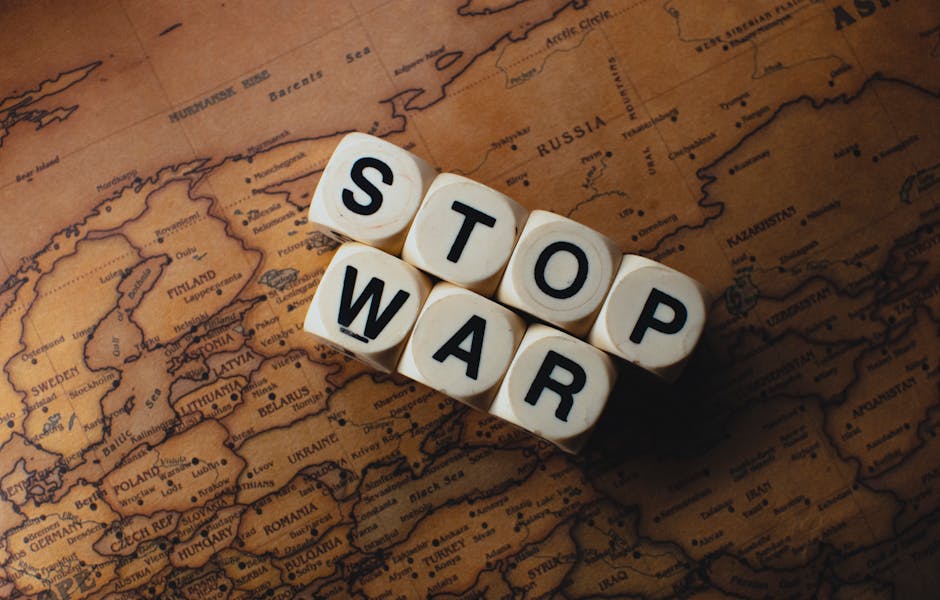
- The US-Israel conflict with Iran has entered its 53rd day, causing significant humanitarian and economic crises.
- Over 10,000 civilians have been displaced since the conflict began, with many more trapped in war zones.
- Diplomatic talks have stalled, and a resolution remains uncertain, despite efforts by global leaders.
- Trade disruptions and sanctions have affected not only Iran but also its neighboring countries.
- The international community is growing increasingly concerned about the escalating violence and humanitarian crisis.
The US-Israel conflict with Iran has entered its 53rd day, with the international community growing increasingly concerned about the escalating violence and humanitarian crisis. A striking fact is that over 10,000 civilians have been displaced since the conflict began, with many more trapped in war zones. Despite efforts by global leaders to broker a peace deal, diplomatic talks have stalled, and it remains unclear when or if a resolution will be reached. The conflict has already resulted in significant economic losses, with trade disruptions and sanctions affecting not only Iran but also its neighboring countries. As the situation continues to deteriorate, the world watches with bated breath, wondering what the next move will be.
Background to the Conflict

The current conflict between the US, Israel, and Iran has its roots in decades of tensions and disputes over nuclear programs, territorial claims, and ideological differences. The situation escalated significantly in recent months, with the US and Israel launching targeted strikes against Iranian military installations and Tehran responding with retaliatory attacks. The international community has been calling for calm and restraint, but so far, diplomatic efforts have been unsuccessful in bringing the parties to the negotiating table. The reasons for this are complex, involving issues of national pride, security concerns, and the role of external actors. Nevertheless, the urgency of finding a peaceful solution cannot be overstated, given the potential for the conflict to spread and involve other regional and global powers.
Key Developments in the Conflict

Recent days have seen a surge in military activity, with both sides exchanging blows and claiming successes. The US and Israel have focused on targeting Iran’s military capabilities, including its missile programs and naval assets. In response, Iran has launched attacks on US and Israeli interests in the region, including oil tankers and military bases. The involvement of other actors, such as militias and extremist groups, has further complicated the situation, introducing elements of unpredictability and raising the stakes for all parties involved. Despite these challenges, there are still voices calling for peace, and efforts to negotiate a ceasefire continue, albeit in a climate of deep mistrust and skepticism.
Analysis of the Conflict
Analysts point to a combination of strategic, ideological, and economic factors driving the conflict. The US and Israel are concerned about Iran’s growing military power and its potential to destabilize the region. Iran, on the other hand, feels encircled and threatened by the presence of US and Israeli forces in its vicinity. Economic sanctions imposed by the US have also had a devastating impact on Iran’s economy, leading to widespread hardship and resentment among its population. Experts warn that without a negotiated settlement, the conflict could escalate into a full-scale war, drawing in other countries and causing catastrophic consequences for the region and beyond. The role of diplomacy in resolving the crisis cannot be overstated, but it requires a willingness from all parties to compromise and seek a mutually acceptable solution.
Implications of the Conflict
The implications of the US-Israel conflict with Iran are far-reaching and multifaceted. The most immediate concern is the humanitarian crisis unfolding in the region, with thousands of civilians caught in the crossfire or forced to flee their homes. The conflict also has significant economic implications, disrupting trade flows and causing instability in global energy markets. Furthermore, there are geopolitical implications, as the conflict draws in other regional and global powers, potentially leading to a wider conflagration. The international community has a critical role to play in pressuring the parties to negotiate a peaceful resolution, but this will require a coordinated and sustained effort, backed by the political will to enforce a settlement.
Expert Perspectives
Experts in the field offer contrasting viewpoints on the best way forward. Some argue that a military solution is the only way to decisively end the conflict and prevent further aggression from Iran. Others contend that diplomacy and dialogue are the only paths to a lasting peace, requiring patience, flexibility, and a willingness to compromise. A common thread among experts, however, is the recognition that the current situation is unsustainable and that a resolution must be found before the conflict spirals out of control. As one expert noted, “The window for diplomacy is still open, but it is rapidly closing. The international community must act now to prevent a catastrophe.”
Looking ahead, the question on everyone’s mind is what the next move will be. Will the US and Israel continue their military campaign, or will they seek a negotiated settlement? Can Iran be persuaded to come to the table, and if so, under what conditions? These are open questions, and the answers will depend on a complex interplay of political, military, and diplomatic factors. One thing is certain, however: the world will be watching closely, hoping against hope that a peaceful resolution can be found before it is too late. The coming days and weeks will be critical in determining the course of the conflict and the future of the region.