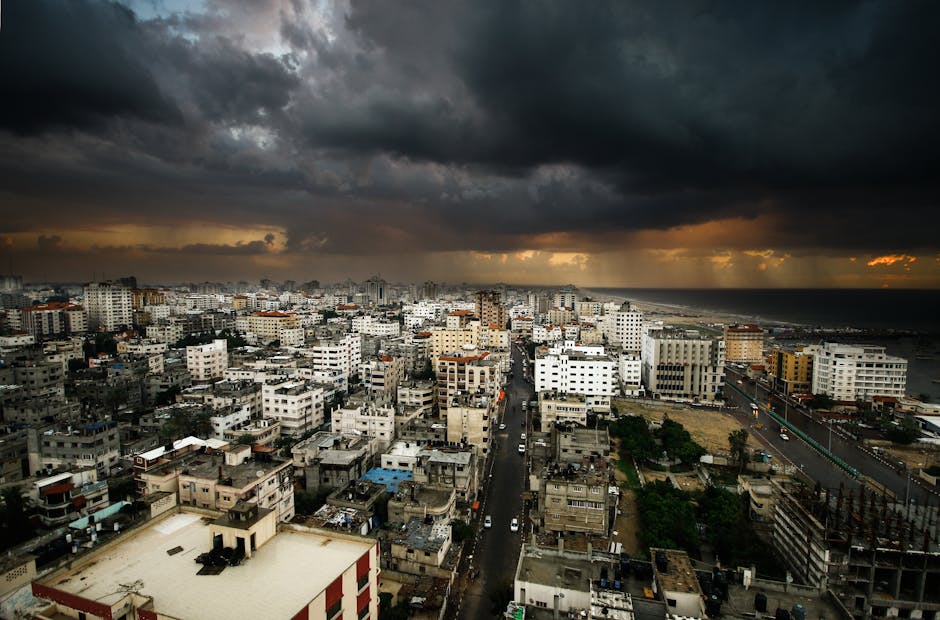
- Women’s warnings were ignored before the capture of four Israeli soldiers in Gaza, highlighting the need for effective communication channels.
- Gaza Strip tensions have been ongoing for years, with periods of calm punctuated by outbreaks of violence.
- The region’s complex history and strategic location make it challenging for diplomatic efforts.
- The release of the Israeli soldiers is a reminder that the Gaza situation remains volatile.
- A lasting peace in Gaza requires addressing the underlying issues and considering all parties’ perspectives.
The recent release of four Israeli soldiers from Hamas captivity in Gaza has brought attention to the crucial role women played in warning of the attack that led to their capture. The swap, which occurred after 15 months of captivity, has sparked a wider debate about the Israeli government’s response to security threats and the need for more effective communication channels. According to reports, several women had warned of suspicious activity in the area before the attack, but their warnings were ignored. This incident highlights the importance of heeding warnings from all sources, particularly in high-risk areas like the Gaza Strip.
Gaza Strip: A Region of Ongoing Tension

The Gaza Strip has been a focal point of conflict between Israel and Hamas for many years, with periods of relative calm punctuated by outbreaks of violence. The region’s complex history, combined with its strategic location and the presence of multiple armed groups, makes it a challenging environment for diplomatic efforts. The latest developments, including the release of the Israeli soldiers, are a reminder that the situation in Gaza remains volatile and that addressing the underlying issues is crucial for achieving a lasting peace. As the international community continues to grapple with the challenges posed by the Gaza conflict, it is essential to consider the perspectives of all parties involved and to work towards a comprehensive solution.
The Capture and Release of Israeli Soldiers

The four Israeli soldiers were captured by Hamas militants during an attack on the border of the Gaza Strip at Nahal Oz. The incident occurred 15 months ago, and since then, the soldiers’ families have been campaigning for their release. The campaign, which included appeals to the Israeli government and international organizations, highlighted the humanitarian aspects of the case and the need for a swift resolution. The release of the soldiers is seen as a significant development, but it also raises questions about the circumstances surrounding their capture and the role of women in warning of the attack. As the investigation into the incident continues, it is likely that more details will emerge about the events leading up to the capture and the response of the Israeli authorities.
Analysis of the Incident and Its Implications
The capture and release of the Israeli soldiers have significant implications for the ongoing conflict in Gaza. The incident highlights the importance of effective communication and the need for the Israeli authorities to heed warnings from all sources, including women. It also underscores the challenges posed by the presence of multiple armed groups in the region and the need for a comprehensive approach to addressing the underlying issues. From a diplomatic perspective, the release of the soldiers is seen as a positive development, but it also raises questions about the role of mediators and the terms of the swap. As experts analyze the incident and its implications, it is clear that the situation in Gaza remains complex and that a lasting solution will require a sustained effort from all parties involved.
Implications for the Region and Beyond
The release of the Israeli soldiers has implications not only for the Gaza Strip but also for the wider region. The incident highlights the need for effective communication and cooperation between different groups and the importance of addressing the underlying issues driving the conflict. As the international community continues to grapple with the challenges posed by the Gaza conflict, it is essential to consider the perspectives of all parties involved and to work towards a comprehensive solution. The role of women in warning of the attack is a significant aspect of the incident, and it underscores the need for greater inclusivity and diversity in decision-making processes. As the situation in Gaza continues to evolve, it is likely that the release of the Israeli soldiers will be seen as a significant development in the ongoing conflict.
Expert Perspectives
Experts have offered contrasting viewpoints on the release of the Israeli soldiers and its implications for the Gaza conflict. Some have welcomed the development as a positive step towards reducing tensions in the region, while others have expressed concerns about the terms of the swap and the potential consequences for the Israeli government’s security policies. As analysts continue to debate the significance of the incident, it is clear that the situation in Gaza remains complex and that a lasting solution will require a sustained effort from all parties involved. The role of women in warning of the attack has also been highlighted as an important aspect of the incident, and it is likely that this will be a focus of further discussion and analysis in the coming weeks and months.
Looking ahead, it is uncertain what the future holds for the Gaza Strip and the wider region. The release of the Israeli soldiers is a significant development, but it is only one part of a much larger and more complex puzzle. As the international community continues to grapple with the challenges posed by the Gaza conflict, it is essential to consider the perspectives of all parties involved and to work towards a comprehensive solution. The incident has raised important questions about the role of women in warning of attacks and the need for greater inclusivity and diversity in decision-making processes. As experts and policymakers continue to debate the implications of the incident, it is likely that these issues will remain at the forefront of discussions about the Gaza conflict and its resolution.