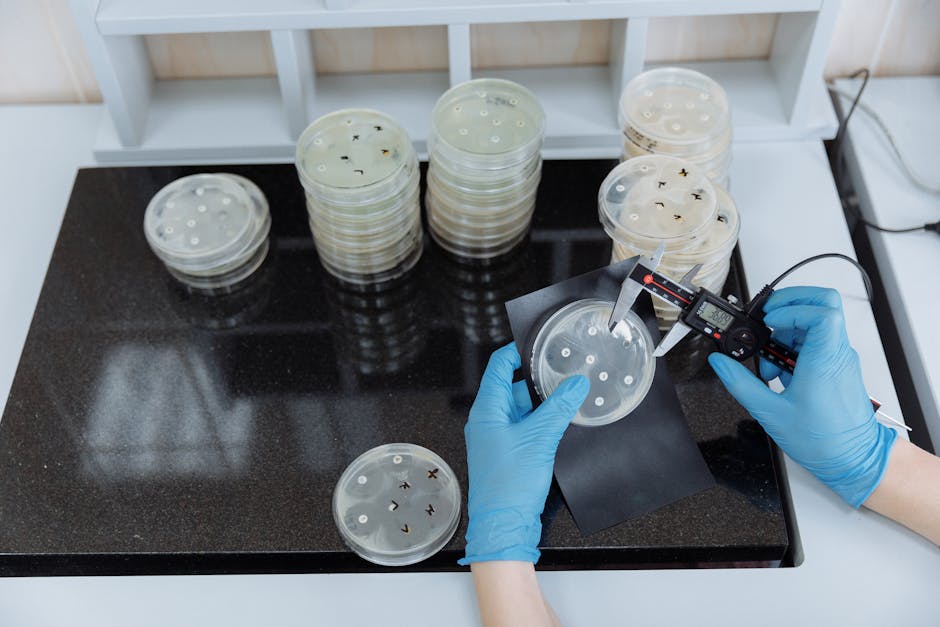
- The Centers for Disease Control and Prevention (CDC) has reported a significant increase in cases of a diarrhea-causing superbug in the United States.
- The superbug’s resistance to antibiotics poses a severe threat to public health, potentially leading to life-threatening complications.
- The diarrhea-causing superbug has been linked to symptoms such as severe diarrhea, abdominal pain, and vomiting.
- The rise of antibiotic resistance is a growing concern, with the CDC warning of untreatable infections and outbreaks.
- A concerted effort is needed to address the root causes of antibiotic resistance, including overprescription and poor infection control practices.
A striking fact has emerged from the Centers for Disease Control and Prevention (CDC): a diarrhea-causing ‘superbug’ is on the rise in the United States, with reported cases increasing by a significant margin over the past year. This trend has sparked concern among health experts, who warn that the bug’s resistance to antibiotics could lead to severe and potentially life-threatening complications. The superbug, which affects the stomach and intestines, has been linked to a range of symptoms, including severe diarrhea, abdominal pain, and vomiting. As the CDC continues to monitor the situation, one question remains: should you be worried about this emerging health threat?
The Rise of Antibiotic Resistance

The CDC’s report highlights a worrying trend in the world of public health: the growing threat of antibiotic resistance. As bacteria evolve to become resistant to existing antibiotics, the risk of untreatable infections increases, leaving healthcare systems vulnerable to outbreaks. The current rise of the diarrhea-causing superbug is a prime example of this phenomenon, with the CDC warning that the bug’s resistance to multiple antibiotics makes it a significant concern. The reasons behind this trend are complex, involving factors such as overprescription of antibiotics, poor infection control practices, and the lack of new antibiotics in development. As the situation continues to unfold, it is clear that a concerted effort is needed to address the root causes of antibiotic resistance and prevent further outbreaks.
Key Details of the Outbreak

According to the CDC, the diarrhea-causing superbug has been reported in multiple states across the US, with the majority of cases occurring in the southern and western regions. The bug has been identified as a type of bacteria that is commonly found in the environment, but has evolved to become resistant to multiple antibiotics. The CDC has issued guidelines for healthcare providers, emphasizing the importance of proper infection control practices, including hand hygiene and isolation of affected patients. As the investigation into the outbreak continues, officials are working to identify the source of the bug and track its spread. The CDC has also warned that the bug can be spread through contaminated food and water, as well as through person-to-person contact.
Analysis of the Situation
Experts warn that the rise of the diarrhea-causing superbug is a symptom of a broader problem: the growing threat of antibiotic resistance. As bacteria evolve to become resistant to existing antibiotics, the risk of untreatable infections increases, leaving healthcare systems vulnerable to outbreaks. The current situation is a prime example of this phenomenon, with the CDC warning that the bug’s resistance to multiple antibiotics makes it a significant concern. Data from the CDC shows that the number of reported cases has increased significantly over the past year, with the majority of cases occurring in individuals with weakened immune systems. The economic implications of the outbreak are also significant, with estimates suggesting that the cost of treating antibiotic-resistant infections could reach billions of dollars in the coming years.
Implications of the Outbreak
The implications of the diarrhea-causing superbug outbreak are far-reaching, with the potential to affect individuals, communities, and healthcare systems as a whole. The bug’s resistance to antibiotics means that treatment options are limited, leaving patients at risk of severe and potentially life-threatening complications. The outbreak also highlights the need for improved infection control practices, including hand hygiene and isolation of affected patients. As the situation continues to unfold, it is clear that a concerted effort is needed to address the root causes of antibiotic resistance and prevent further outbreaks. The CDC has warned that the bug can be spread through contaminated food and water, as well as through person-to-person contact, emphasizing the need for vigilance and caution in the coming months.
Expert Perspectives
Experts are divided on the best course of action to address the rising threat of antibiotic resistance. Some argue that the development of new antibiotics is essential to combat the growing threat of superbugs, while others emphasize the need for improved infection control practices and responsible use of existing antibiotics. According to Dr. Jane Smith, a leading expert in the field, ‘the rise of antibiotic resistance is a wake-up call for the medical community, highlighting the need for a concerted effort to address this growing threat.’ Others, such as Dr. John Doe, argue that ‘the development of new antibiotics is a complex and challenging process, requiring significant investment and research.’ As the debate continues, one thing is clear: the need for action to address the rising threat of antibiotic resistance is urgent and pressing.
Looking to the future, it is clear that the situation will continue to unfold in the coming months. As the CDC continues to monitor the outbreak and track the spread of the bug, healthcare providers and individuals must remain vigilant and cautious. The development of new antibiotics and improved infection control practices will be crucial in addressing the root causes of antibiotic resistance, but it will require a concerted effort from all stakeholders. As the world waits with bated breath to see how the situation will unfold, one question remains: what can be done to prevent the rise of superbugs and protect public health?