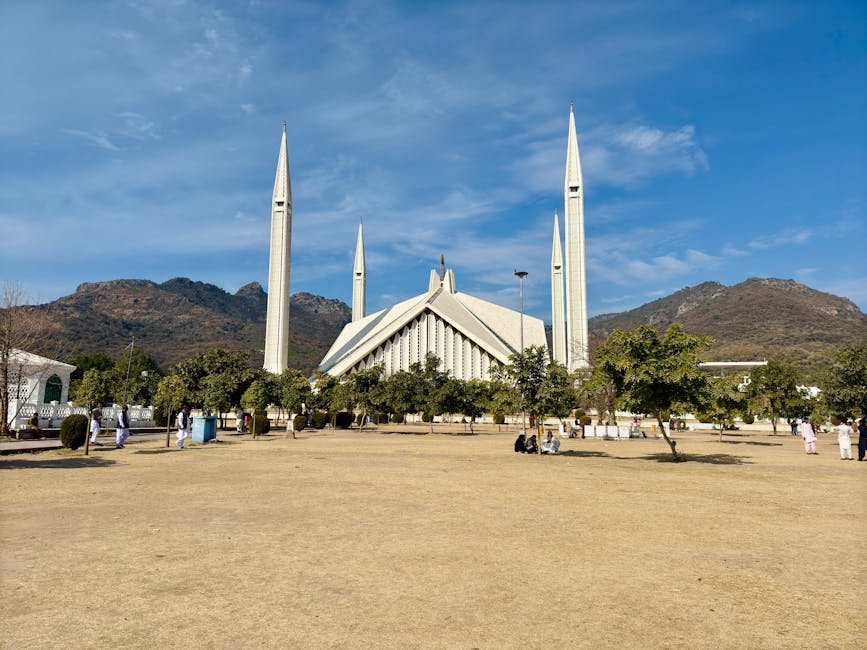
- US President Donald Trump may visit Pakistan if a deal with Iran is signed there, sparking regional diplomacy interest.
- Pakistan’s strategic location makes it a key player in facilitating negotiations between the US and Iran.
- The US-Iran conflict remains unresolved, with tensions between the two nations at an elevated level.
- Pakistan’s historical ties to the US and Iran make it an ideal mediator for regional diplomacy.
- A high-level visit by Trump to Pakistan could have significant implications for US foreign policy.
The possibility of a high-level visit to Pakistan by US President Donald Trump has emerged, with the President suggesting he might travel to the country if a deal with Iran is signed there. This unexpected revelation has sparked intense interest and speculation about the potential implications of such a development for regional diplomacy and US foreign policy. The comment comes at a time when tensions between the US and Iran remain elevated, and the international community continues to seek a resolution to the longstanding conflict. With Pakistan’s strategic location and historical ties to both the US and Iran, the country could play a pivotal role in facilitating negotiations and fostering dialogue between the two nations.
Pakistan’s Emerging Role in Regional Diplomacy

The current geopolitical landscape in the region is complex and multifaceted, with various countries vying for influence and seeking to advance their national interests. Pakistan, with its unique position at the crossroads of South Asia and the Middle East, is increasingly being recognized as a crucial player in regional diplomacy. The country’s relations with both the US and Iran are longstanding and have been shaped by a combination of historical, cultural, and strategic factors. As the US and Iran engage in tentative talks, Pakistan’s potential role as a facilitator or host for negotiations has become a topic of considerable interest and debate. The country’s leadership has consistently emphasized its commitment to promoting peace and stability in the region, and a successful diplomatic effort could significantly enhance Pakistan’s reputation as a responsible and influential actor on the global stage.
Key Details of the Proposed Deal

While the specifics of the potential deal between the US and Iran remain unclear, it is understood that the agreement would aim to address key issues such as nuclear proliferation, regional security, and economic cooperation. The talks, which have been ongoing for several months, have involved multiple rounds of negotiations and have seen the participation of various international actors, including European powers and regional stakeholders. The US has been seeking to renegotiate the terms of the Joint Comprehensive Plan of Action (JCPOA), a landmark agreement signed in 2015, which imposed restrictions on Iran’s nuclear program in exchange for relief from economic sanctions. Iran, on the other hand, has been pushing for the removal of sanctions and recognition of its right to develop a peaceful nuclear program. A deal signed in Pakistan could potentially provide a face-saving exit for both parties and pave the way for a new era of cooperation and engagement.
Analysis of the Proposed Agreement
The potential implications of a US-Iran deal signed in Pakistan are far-reaching and multifaceted. From a strategic perspective, such an agreement could help to reduce tensions in the region and create a more stable security environment. It could also have significant economic benefits, particularly for Iran, which has been struggling under the weight of international sanctions. Moreover, a successful diplomatic effort could enhance the reputation of Pakistan as a neutral and trusted intermediary, capable of facilitating complex negotiations and promoting regional cooperation. However, there are also potential risks and challenges associated with the proposed deal, including the possibility of opposition from hardline factions in both the US and Iran, as well as the need to address complex technical issues related to nuclear proliferation and regional security.
Implications for Regional Stability
The potential consequences of a US-Iran deal signed in Pakistan would be felt across the region, with various countries and stakeholders having a vested interest in the outcome. For Pakistan, a successful diplomatic effort could lead to enhanced regional influence and a strengthened position in international affairs. For Iran, the removal of sanctions and recognition of its right to develop a peaceful nuclear program could have significant economic and strategic benefits. For the US, a deal could provide a means of reducing tensions with Iran and creating a more stable security environment in the region. However, there are also potential risks and challenges associated with the proposed agreement, including the possibility of opposition from regional actors such as Saudi Arabia and Israel, which have historically been skeptical of Iranian intentions.
Expert Perspectives
Experts and analysts have offered contrasting viewpoints on the potential implications of a US-Iran deal signed in Pakistan. Some have hailed the proposed agreement as a major breakthrough and a significant step forward for regional diplomacy, while others have expressed skepticism and warned of potential risks and challenges. According to Dr. Sanam Vakil, a leading expert on Middle East affairs, “A deal signed in Pakistan could provide a face-saving exit for both the US and Iran, and pave the way for a new era of cooperation and engagement.” However, other experts, such as Dr. Hussein Ibish, have warned that the proposed agreement could be vulnerable to opposition from hardline factions in both the US and Iran, and that the road to implementation would likely be long and challenging.
As the situation continues to evolve, it remains to be seen whether a US-Iran deal will be signed in Pakistan, and what the potential implications of such an agreement would be for regional stability and US foreign policy. One thing is certain, however: the next few weeks and months will be critical in determining the outcome of the talks, and the international community will be watching developments closely. The key question on everyone’s mind is: what will be the ultimate outcome of the US-Iran talks, and how will it impact the region and the world at large? Only time will tell, but one thing is certain – the stakes are high, and the potential consequences of success or failure will be far-reaching and profound.