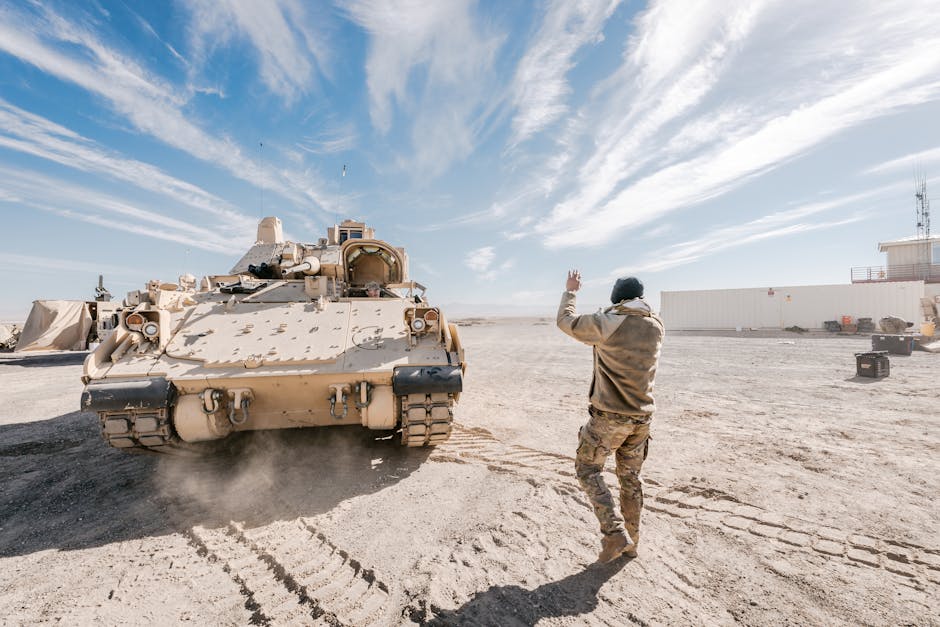
- The U.S. has officially completed the handover of its military bases in Syria, marking the end of a formal U.S. military presence in the country.
- The withdrawal reflects a strategic reassessment of priorities and resources by the United States, with a focus on shifting its attention elsewhere.
- The U.S. involvement in Syria began as part of an international effort to combat the Islamic State (ISIS) but evolved into a complex and multifaceted involvement.
- The significant degradation of ISIS capabilities and shifts in U.S. foreign policy priorities contributed to the decision to withdraw from Syria.
- The handover marks a significant milestone in the evolving geopolitical landscape of the Middle East, with implications for regional stability and the balance of power.
The United States has officially completed the handover of its military bases in Syria, a move that signals the end of a formal U.S. military presence in the country for the first time in over a decade. This transition marks a significant milestone in the evolving geopolitical landscape of the Middle East, with profound implications for regional stability and the balance of power. The U.S. involvement in Syria began as part of an international effort to combat the Islamic State (ISIS) and has since become complex, involving various factions and interests. The withdrawal of U.S. military bases from Syria reflects a strategic reassessment of priorities and resources by the United States.
Background to the Withdrawal

The decision to withdraw from Syria is rooted in a combination of factors, including the significant degradation of ISIS capabilities, shifts in U.S. foreign policy priorities, and the desire to reduce the military footprint in the region. The U.S. engagement in Syria was initially aimed at supporting local forces in their fight against ISIS, but it evolved into a more complex involvement, with the U.S. finding itself entangled in the broader Syrian conflict. The background to this withdrawal is multifaceted, involving political, military, and diplomatic considerations. It also reflects the changing nature of global conflicts and the need for the U.S. to adapt its military and strategic posture accordingly.
Key Details of the Handover

The handover of military bases in Syria to local forces or other international partners is a meticulously planned process, involving the transfer of facilities, equipment, and responsibilities. This process is critical to ensuring that the withdrawal does not create a security vacuum that could be exploited by extremist groups or other adversaries. The U.S. has been working closely with its allies and partners on the ground to facilitate a smooth transition, emphasizing the importance of continued cooperation in the fight against terrorism and the stabilization of the region. The details of the handover, including which bases have been transferred and to whom, are subject to security considerations and have been closely guarded.
Analysis of the Impacts
The implications of the U.S. withdrawal from Syria are far-reaching, with potential impacts on regional security, the balance of power among local and international actors, and the future of the Syrian conflict. Analysts point to the risks of a power vacuum, the potential resurgence of ISIS, and the geopolitical maneuverings of other regional and global powers, including Russia, Iran, and Turkey. The withdrawal also underscores the challenges of U.S. foreign policy in navigating complex, multifaceted conflicts, where military presence is just one aspect of a broader strategy that must include diplomatic, economic, and political elements. Understanding the causes and effects of this decision requires a nuanced analysis of both the immediate context and the long-term strategic goals of the United States.
Implications for Regional Stability
The U.S. withdrawal from Syria will undoubtedly affect regional stability, with various actors likely to reassess their positions and strategies in response. The local population, who have borne the brunt of the conflict, will be closely watching the aftermath of the withdrawal, hoping for an end to violence and the beginning of a process towards peace and reconstruction. The international community, too, will be impacted, as the shift in the U.S. military presence could influence the dynamics of other conflicts and alliances in the Middle East. The implications for regional stability are multifaceted, involving political, economic, and humanitarian dimensions, and will require careful management by all parties involved.
Expert Perspectives
Experts in international relations and security studies offer contrasting viewpoints on the U.S. withdrawal from Syria, reflecting the complexity and controversy of the decision. Some argue that the withdrawal is a necessary step towards ending an unpopular and costly war, allowing the U.S. to focus on more pressing strategic priorities. Others warn of the dangers of abandoning allies and creating a power vacuum that could be filled by hostile forces, potentially leading to further instability and conflict. These perspectives highlight the deep divisions within the policy community regarding the appropriate role of the U.S. in Syria and the broader Middle East.
Looking forward, the key question is what the future holds for Syria and the region, now that the U.S. has formally ended its military presence. As the situation continues to evolve, it will be important to watch for signs of whether the withdrawal leads to increased stability or further conflict, and how the U.S. and its allies will maintain their influence and interests in the region without a military footprint. The open question of how the vacuum left by the U.S. will be filled, and by whom, hangs over the region, posing significant challenges for policymakers and diplomats in the months and years to come.