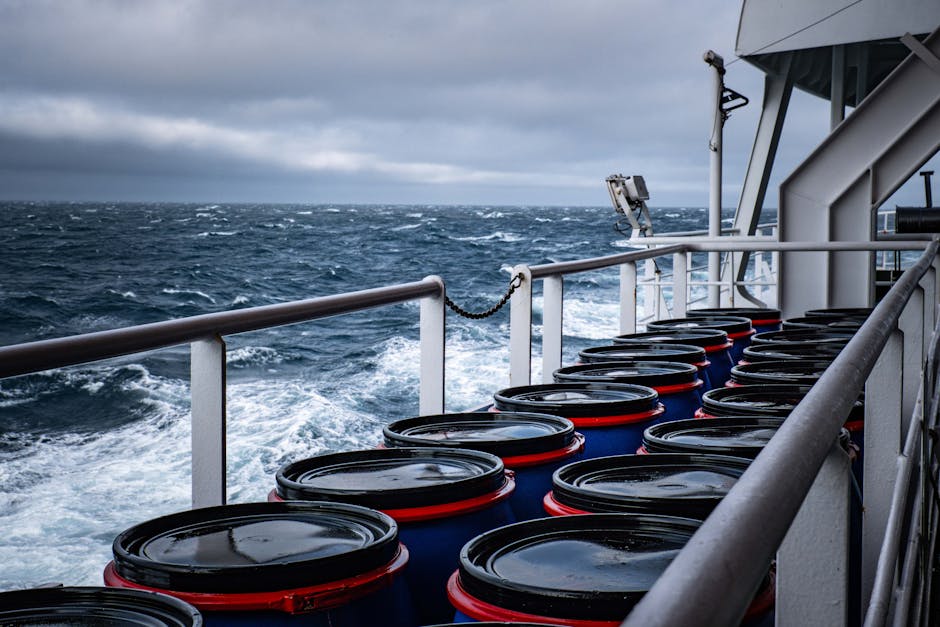
- The US blockade on ships is set to continue indefinitely, with no clear end in sight.
- The blockade has already caused significant disruptions to global shipping lanes and trade.
- The international community has widely criticized the US blockade as an overreach of power and a violation of international law.
- The US Central Command chief has stated that the blockade will only be lifted if President Trump intervenes.
- The blockade has the potential to escalate tensions between nations and has significant implications for global security.
The ongoing US blockade on ships is set to continue indefinitely, with the Central Command chief stating that it will only be lifted when President Trump decides to intervene. This striking fact has significant implications for global trade and security, as the blockade has already caused widespread disruptions to shipping lanes and has the potential to escalate tensions between nations. The blockade, which was imposed in response to perceived threats to national security, has been in place for several months and has shown no signs of being lifted. As the situation continues to unfold, it remains to be seen how the international community will respond to the US’s actions.
Background to the Blockade

The US blockade on ships is a complex issue with a long and tumultuous history. The blockade was first imposed in response to perceived threats to national security, with the US citing concerns over the transportation of illicit goods and the potential for terrorist activities. However, the blockade has been widely criticized by the international community, with many arguing that it is an overreach of US power and a violation of international law. Despite these criticisms, the US has refused to back down, with the Central Command chief reaffirming the country’s commitment to the blockade. As the situation continues to unfold, it is clear that the blockade is a major point of contention between the US and the rest of the world.
Key Details of the Blockade

The US blockade on ships is a comprehensive and far-reaching measure that has significant implications for global trade and security. The blockade applies to all ships that are deemed to be a threat to national security, with the US military having the authority to intercept and board any vessel that is suspected of violating the blockade. The blockade has already caused widespread disruptions to shipping lanes, with many ships being forced to take lengthy detours to avoid the blocked area. The US has also imposed significant fines on ships that are found to be in violation of the blockade, with some ships facing penalties of up to $1 million. As the situation continues to unfold, it is clear that the blockade is a major challenge for the international shipping community.
Analysis of the Blockade’s Impact
The US blockade on ships has significant implications for global trade and security, with the potential to cause widespread disruptions to the international economy. The blockade has already caused a significant increase in shipping costs, as ships are forced to take lengthy detours to avoid the blocked area. This has resulted in higher prices for consumers, as companies are forced to pass on the increased costs to their customers. The blockade has also had a significant impact on the environment, with the increased shipping times resulting in higher emissions of greenhouse gases. As the situation continues to unfold, it is clear that the blockade is a major challenge for the international community, with significant implications for global trade, security, and the environment.
Implications of the Blockade
The US blockade on ships has significant implications for a wide range of stakeholders, from shipping companies to consumers. The blockade has already caused widespread disruptions to shipping lanes, with many ships being forced to take lengthy detours to avoid the blocked area. This has resulted in higher prices for consumers, as companies are forced to pass on the increased costs to their customers. The blockade has also had a significant impact on the environment, with the increased shipping times resulting in higher emissions of greenhouse gases. As the situation continues to unfold, it is clear that the blockade is a major challenge for the international community, with significant implications for global trade, security, and the environment.
Expert Perspectives
Experts are divided on the implications of the US blockade on ships, with some arguing that it is a necessary measure to protect national security, while others argue that it is an overreach of US power. Some experts have argued that the blockade is a violation of international law, and that it has the potential to escalate tensions between nations. Others have argued that the blockade is a necessary measure to prevent the transportation of illicit goods and to prevent terrorist activities. As the situation continues to unfold, it is clear that the blockade is a complex and contentious issue, with significant implications for global trade and security.
As the situation continues to unfold, it remains to be seen how the international community will respond to the US’s actions. The US has shown no signs of backing down, with the Central Command chief reaffirming the country’s commitment to the blockade. However, the international community is likely to continue to pressure the US to lift the blockade, citing concerns over the impact on global trade and security. As the blockade continues, it is likely that we will see increased tensions between the US and the rest of the world, with significant implications for global trade, security, and the environment. One open question is how the US will respond to the growing criticism of the blockade, and whether the country will be willing to negotiate a resolution to the crisis.