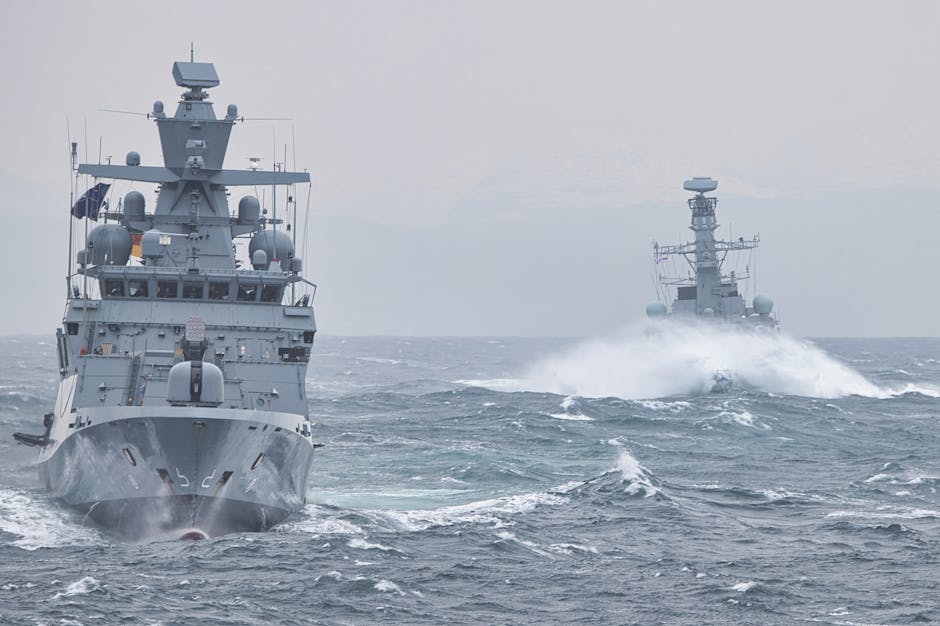
- The Strait of Hormuz is a critical waterway accounting for nearly a third of the world’s seaborne oil exports.
- Over 18 million barrels of oil pass through the strait every day, making it a vital component of the global economy.
- The strait connects the Persian Gulf to the Arabian Sea and is a key shipping lane for oil from the Middle East.
- The U.S. and Iran have been engaged in a war of words over the region, but the strait remains open.
- Any disruption to traffic through the strait would have far-reaching consequences for the global economy.
The Strait of Hormuz, a critical waterway that accounts for nearly a third of the world’s seaborne oil exports, remains open despite heightened tensions in the region, according to statements from the U.S. and Iran. This assurance comes as a welcome relief to the global shipping industry, which has been on high alert in recent weeks due to the escalating conflict in Lebanon. With over 18 million barrels of oil passing through the strait every day, any disruption to traffic would have far-reaching consequences for the global economy. The confirmation that the strait remains open is a striking fact that underscores the delicate balance of power in the region.
Background to the Crisis

The recent escalation of violence in Lebanon has raised concerns about the stability of the region and the potential for a wider conflict. The Strait of Hormuz, which connects the Persian Gulf to the Arabian Sea, is a vital shipping lane that is used by tankers carrying oil from the Middle East to markets around the world. Any disruption to traffic through the strait would not only affect the global oil supply but also have a significant impact on the economy of the region. The U.S. and Iran, two of the key players in the region, have been engaged in a war of words, with both sides accusing each other of aggression. Despite these tensions, the fact that the strait remains open is a testament to the enduring importance of this waterway to the global economy.
Key Details of the Cease-Fire

The cease-fire in Lebanon, which was brokered by international diplomats, has brought a temporary halt to the fighting in the region. The agreement, which was announced earlier this week, has been welcomed by the international community, which has been calling for an end to the violence. The U.S. and Iran have both stated that they will respect the cease-fire and work towards a lasting peace in the region. However, shipping experts warn that the risks to traffic through the Strait of Hormuz remain high, despite the cease-fire. The strait is a narrow waterway, and any miscalculation or accident could quickly escalate into a wider conflict. The fact that the strait remains open is a positive development, but it is by no means a guarantee of stability in the region.
Analysis of the Situation
The situation in the Strait of Hormuz is complex and multifaceted, with a range of factors contributing to the tensions in the region. The conflict in Lebanon is just one part of a broader struggle for power and influence in the Middle East, with the U.S., Iran, and other regional players all vying for position. The fact that the strait remains open is a testament to the enduring importance of this waterway to the global economy, but it also highlights the risks and uncertainties that are inherent in this critical shipping lane. According to experts, the strait is a potential flashpoint for conflict, and any miscalculation or accident could quickly escalate into a wider war. The U.S. and Iran have both stated that they will work towards a lasting peace in the region, but the fact that the strait remains open is by no means a guarantee of stability.
Implications of the Cease-Fire
The cease-fire in Lebanon and the confirmation that the Strait of Hormuz remains open have significant implications for the global shipping industry and the economy as a whole. The fact that the strait remains open means that oil exports from the Middle East can continue uninterrupted, which is a positive development for the global economy. However, shipping experts warn that the risks to traffic through the strait remain high, and any disruption to traffic would have far-reaching consequences. The cease-fire in Lebanon is a temporary development, and the underlying tensions in the region remain unresolved. As such, the situation in the Strait of Hormuz will continue to be a source of concern for the global shipping industry and the economy as a whole.
Expert Perspectives
Experts have warned that the situation in the Strait of Hormuz remains volatile, despite the cease-fire in Lebanon. According to one expert, the fact that the strait remains open is a positive development, but it is by no means a guarantee of stability in the region. Another expert noted that the U.S. and Iran have both stated that they will work towards a lasting peace in the region, but the underlying tensions remain unresolved. The situation in the Strait of Hormuz is complex and multifaceted, and it will require a sustained effort from all parties involved to achieve a lasting peace.
Looking ahead, the situation in the Strait of Hormuz will continue to be a source of concern for the global shipping industry and the economy as a whole. The cease-fire in Lebanon is a temporary development, and the underlying tensions in the region remain unresolved. As such, the question on everyone’s mind is what will happen next. Will the cease-fire hold, or will the conflict in Lebanon escalate once again? The answer to this question will have significant implications for the global shipping industry and the economy as a whole, and it is a development that will be watched closely in the coming weeks and months.