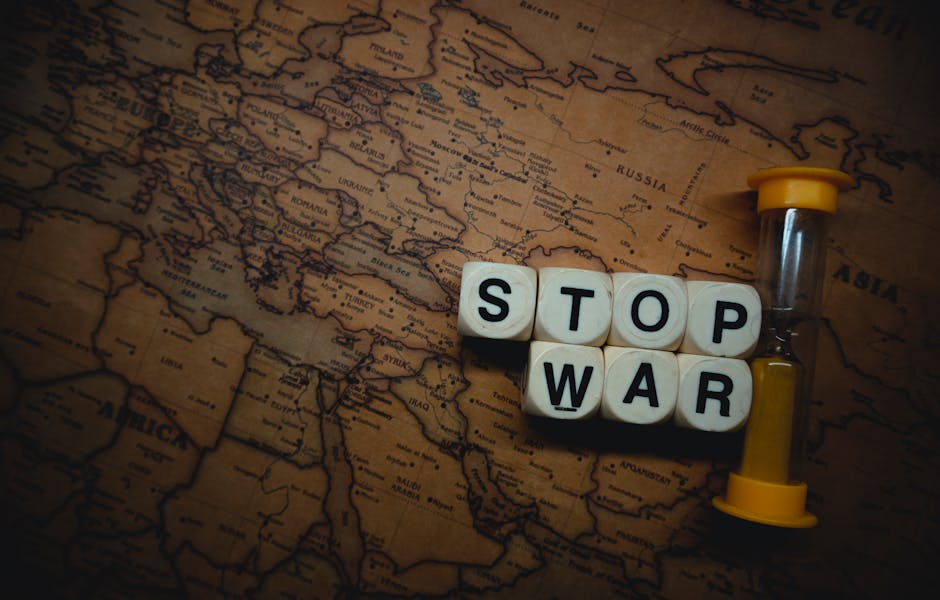
- A cease-fire has been implemented between Israel and Hezbollah, bringing a measure of calm to the Middle East.
- The conflict between Israel and Hezbollah has been simmering for years, with periodic outbreaks of violence.
- A complex mix of territorial, ideological, and regional influence issues contributes to the ongoing conflict.
- The international community has been urging restraint and calling for a peaceful resolution to the crisis.
- The cease-fire is a crucial step towards restoring peace and stability in the region.
The Middle East has witnessed a significant escalation in violence over the past week, with Israel and Hezbollah exchanging fire in a series of intense clashes. However, in a welcome development, a cease-fire has taken hold, bringing a measure of calm to the region. According to reports, Israeli and Lebanese officials had confirmed they would implement the truce, raising hopes that the violence may finally subside. The cease-fire is a crucial step towards restoring peace and stability in the region, and its success will be closely watched by the international community.
Background to the Conflict

The conflict between Israel and Hezbollah has been simmering for years, with periodic outbreaks of violence. The roots of the conflict are complex and multifaceted, involving issues of territory, ideology, and regional influence. In recent months, tensions have been rising, with both sides engaging in a war of words and exchanging threats. The latest escalation was sparked by a series of incidents, including the exchange of fire across the border, which raised fears of a wider conflict. The international community has been urging restraint and calling for a peaceful resolution to the crisis, and the cease-fire is a positive step in this direction.
The Cease-Fire Agreement

Details of the cease-fire agreement are still emerging, but it is understood that both sides have agreed to a mutual cessation of hostilities. Israeli and Lebanese officials have confirmed that they will respect the truce, and Hezbollah has acknowledged the cease-fire, although it has not directly addressed whether it will follow it. The agreement is seen as a significant achievement, given the deep-seated animosity between the two sides. However, its success will depend on the ability of both parties to adhere to the terms of the agreement and resist the temptation to resume hostilities. The international community will be watching closely to ensure that the cease-fire holds and that the region can begin to rebuild and recover.
Analysis of the Conflict
Analysts say that the conflict between Israel and Hezbollah is driven by a complex array of factors, including political, ideological, and strategic considerations. The conflict has significant implications for the region, with the potential to draw in other countries and escalate into a wider war. The cease-fire is a welcome development, but it is unlikely to address the underlying issues that have driven the conflict. A lasting resolution will require a more comprehensive approach, involving diplomatic efforts and a commitment to finding a peaceful solution. The international community has a critical role to play in supporting this process and encouraging both sides to engage in constructive dialogue.
Implications of the Cease-Fire
The cease-fire has significant implications for the region, with the potential to bring stability and security to a area that has been plagued by violence. The agreement will be welcomed by civilians on both sides, who have borne the brunt of the conflict. However, the cease-fire is fragile and could be easily derailed by a single incident or miscalculation. The international community must remain vigilant and continue to support efforts to consolidate the peace and prevent a return to violence. The success of the cease-fire will also depend on the ability of both sides to address the underlying issues that have driven the conflict, including issues of territory, ideology, and regional influence.
Expert Perspectives
Experts are divided on the prospects for the cease-fire, with some expressing optimism that it could mark a turning point in the conflict, while others are more skeptical. Some analysts argue that the cease-fire is a significant achievement and could provide a basis for further negotiations and a lasting resolution. Others, however, believe that the agreement is fragile and could be easily derailed by external factors or a miscalculation by one of the parties. As one expert noted, “the cease-fire is a welcome development, but it is only the first step towards a lasting resolution. The real challenge will be to address the underlying issues that have driven the conflict and to find a comprehensive solution that meets the needs of all parties”.
Looking ahead, the key question is what will happen next. Will the cease-fire hold, or will the conflict resume? The answer will depend on a variety of factors, including the ability of both sides to adhere to the terms of the agreement and the willingness of the international community to support the peace process. As the situation continues to evolve, one thing is clear: the international community must remain engaged and continue to support efforts to find a lasting resolution to the conflict. The stakes are high, and the consequences of failure could be catastrophic. The world will be watching closely to see what happens next in this critical region.