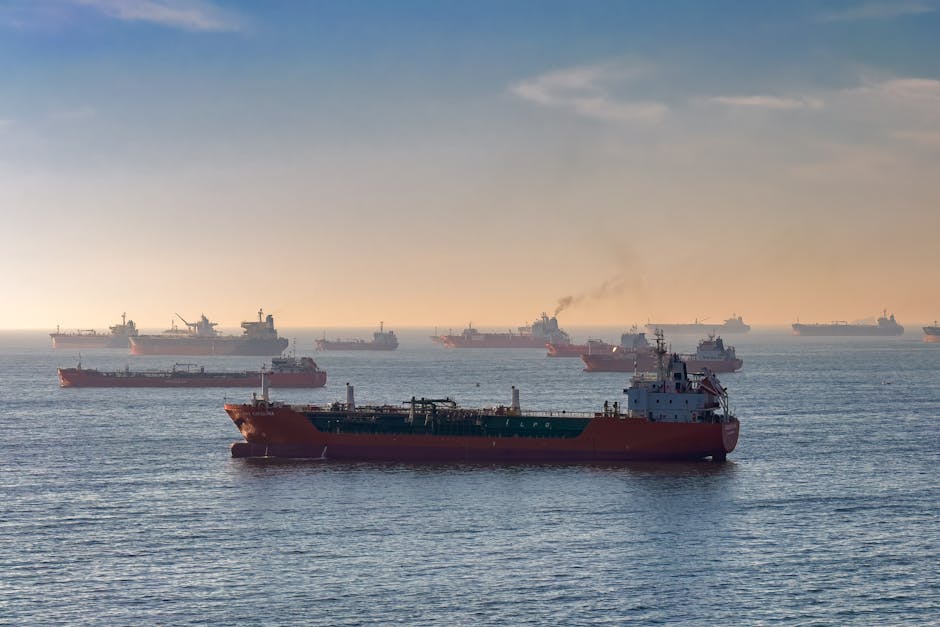
- Tehran asserts control over the Strait of Hormuz, a major waterway for global oil exports.
- Iran’s leverage over the Strait gives it significant influence in regional politics and global energy markets.
- The Strait’s strategic importance makes it a vulnerable target for disruption and a key player in international tensions.
- Tehran’s stance is likely a response to perceived threats from the US and its allies over Iran’s nuclear and military ambitions.
- The dispute over the Strait of Hormuz is rooted in a complex web of historical, political, and economic factors.
The Strait of Hormuz, a vital waterway connecting the Persian Gulf to the Arabian Sea, has long been a source of tension between Iran and the international community. Recently, a senior Iranian politician, Ebrahim Azizi, told the BBC that Tehran will never cede control of the Strait, emphasizing that Iran “will decide the right of passage” through the crucial shipping route. This statement has significant implications for global trade and energy security, as the Strait of Hormuz is a major conduit for oil exports from the Middle East.
Strategic Importance of the Strait

The Strait of Hormuz is a strategic chokepoint, with approximately 20% of the world’s oil passing through it every day. The waterway is only 21 miles wide at its narrowest point, making it a vulnerable target for disruption. Iran’s control over the Strait gives it significant leverage in regional politics and allows it to exert influence over the global energy market. The country’s assertion of control over the Strait is likely a response to perceived threats from the United States and its allies, who have been seeking to constrain Iran’s nuclear and military ambitions.
Background to the Dispute

The dispute over the Strait of Hormuz is rooted in a complex web of historical, political, and economic factors. Iran has long been suspicious of Western intentions in the region, and the country’s revolutionary government has sought to assert its independence and sovereignty. The United States, in particular, has been a target of Iranian ire, with Tehran viewing Washington as a hegemonic power seeking to dominate the region. The situation has been further complicated by the presence of other regional actors, including Saudi Arabia and the United Arab Emirates, who have their own interests and agendas in the region.
Key Details of the Standoff
The current standoff over the Strait of Hormuz is the latest iteration of a long-standing dispute between Iran and the international community. In recent years, there have been numerous incidents of sabotage and confrontation in the region, including attacks on oil tankers and the downing of a US drone. The situation has been further inflamed by the US withdrawal from the Joint Comprehensive Plan of Action (JCPOA), a nuclear deal signed between Iran and major world powers in 2015. Iran’s assertion of control over the Strait is likely a response to these developments, as well as a bid to demonstrate its resolve and capabilities to the international community.
Analysis of the Situation
The situation in the Strait of Hormuz is complex and multifaceted, with a range of factors contributing to the current tensions. One key issue is the question of freedom of navigation, which is guaranteed under international law. Iran’s assertion of control over the Strait raises concerns about the ability of ships to pass through the waterway safely and without hindrance. Another issue is the potential impact on global energy markets, as any disruption to oil exports from the Middle East could have significant consequences for the global economy. Experts warn that the situation is highly volatile and that miscalculations or accidents could lead to a wider conflict.
Implications of the Crisis
The implications of the crisis in the Strait of Hormuz are far-reaching and significant. The most immediate concern is the potential disruption to global energy markets, which could lead to higher oil prices and economic instability. The situation also has significant geopolitical implications, as it pits Iran against the United States and its allies in a high-stakes game of cat and mouse. The international community is watching the situation closely, with many calling for calm and restraint. However, the situation remains highly volatile, and the potential for miscalculations or accidents is high.
Expert Perspectives
Experts are divided on the implications of Iran’s assertion of control over the Strait of Hormuz. Some view the move as a legitimate exercise of sovereignty, while others see it as a provocative and destabilizing act. Dr. Sanam Vakil, a specialist on Iranian affairs at Chatham House, notes that “Iran is seeking to demonstrate its resolve and capabilities to the international community, but the situation is highly volatile and could lead to a wider conflict.” In contrast, Dr. Michael Rubin, a resident scholar at the American Enterprise Institute, argues that “Iran’s actions are a clear challenge to international law and the freedom of navigation, and the United States and its allies must take a firm stance in response.”
As the situation in the Strait of Hormuz continues to unfold, the international community is left to wonder what the future holds. Will Iran’s assertion of control over the Strait lead to a wider conflict, or can a diplomatic solution be found? One thing is certain: the situation is highly complex and multifaceted, and the potential for miscalculations or accidents is high. As the world watches with bated breath, one question remains: what will happen next in this critical and volatile region?