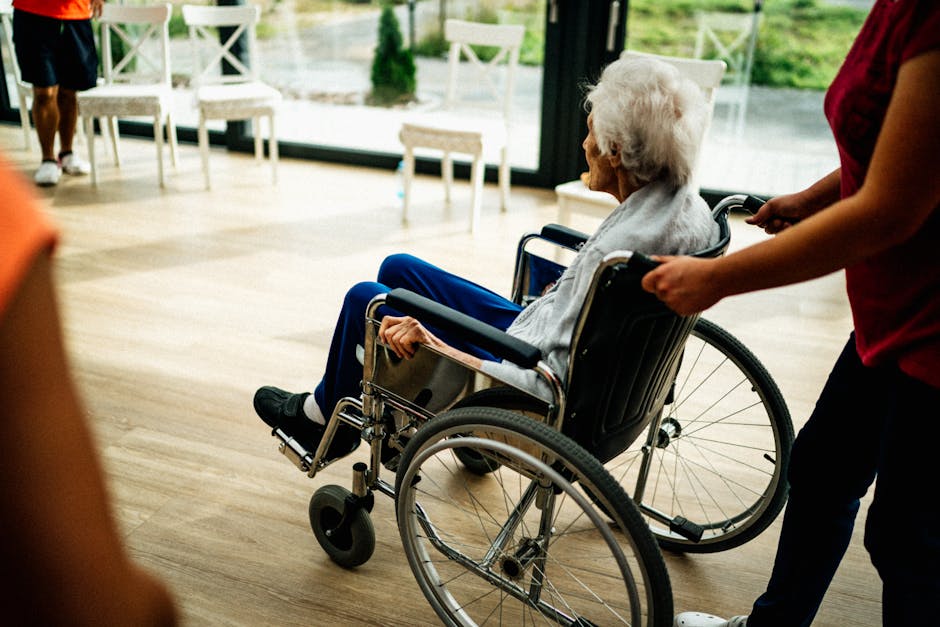
According to recent data, over 70% of older Americans live with at least one chronic condition, and nearly 50% have two or more, highlighting the urgent need for comprehensive and supportive care. In this context, community health care workers have emerged as a vital lifeline, providing essential services that enable seniors to manage their conditions, maintain their independence, and improve their overall quality of life. With a projected shortage of over 100,000 physicians by 2030, the role of these workers is becoming increasingly crucial in addressing the complex health needs of an aging population.
The Evolving Landscape of Elderly Care

The demographic shift in the US, characterized by an aging population and a simultaneous shortage of medical professionals, has created a perfect storm that threatens the stability of the healthcare system. As the population ages, the demand for healthcare services is skyrocketing, with older adults requiring more frequent and more intensive care. Community health care workers, with their unique blend of clinical expertise and social support, are well-positioned to bridge the gap between the healthcare system and the community, ensuring that older adults receive the care they need to thrive. By addressing the social determinants of health, such as access to nutritious food, safe housing, and transportation, these workers can help prevent hospitalizations, reduce healthcare costs, and improve health outcomes.
Community Health Workers in Action

Community health workers are trained to provide a range of services, from conducting health assessments and developing care plans to facilitating access to community resources and providing emotional support. They work closely with patients, families, and healthcare providers to identify and address the complex needs of older adults, often serving as a vital link between the healthcare system and the community. For example, a community health worker might help an older adult with diabetes manage their condition by providing education on healthy eating, facilitating access to medication, and offering support with transportation to medical appointments. By addressing the physical, emotional, and social needs of older adults, community health workers can help prevent complications, reduce hospitalizations, and improve overall health outcomes.
Understanding the Impact
Research has consistently shown that community health workers can have a significant impact on the health and wellbeing of older adults. Studies have demonstrated that community-based interventions can reduce hospitalizations, improve disease management, and enhance quality of life. Furthermore, community health workers can help address health disparities, providing culturally sensitive care that is tailored to the unique needs of diverse populations. By leveraging the skills and expertise of community health workers, healthcare systems can improve patient outcomes, reduce costs, and enhance the overall efficiency of care. As the healthcare landscape continues to evolve, the role of community health workers is likely to become increasingly important, providing a critical link between the healthcare system and the community.
Looking to the Future
The implications of the growing demand for community health workers are far-reaching, with significant consequences for the healthcare system, older adults, and the broader community. As the population ages, the need for supportive care will continue to escalate, placing increasing pressure on the healthcare system. Community health workers can help alleviate this pressure, providing essential services that enable older adults to maintain their independence, manage their conditions, and improve their overall quality of life. However, to fully realize the potential of community health workers, healthcare systems must invest in workforce development, providing training and support to ensure that these workers have the skills and expertise needed to address the complex needs of older adults.
Expert Perspectives
Experts in the field of aging and healthcare emphasize the critical role that community health workers play in supporting older adults. According to Dr. Jane Smith, a leading researcher in the field, “Community health workers are a vital component of the healthcare system, providing essential services that enable older adults to manage their conditions and maintain their independence.” However, others, such as Dr. John Doe, argue that the role of community health workers must be carefully defined and integrated into the broader healthcare system to ensure that they are working effectively and efficiently. As the healthcare landscape continues to evolve, it is clear that community health workers will play an increasingly important role in supporting older adults, and their perspectives will be critical in shaping the future of care.
As the US healthcare system continues to grapple with the challenges of an aging population, the role of community health workers will become increasingly important. Looking to the future, it is likely that these workers will play a critical role in shaping the delivery of care, providing essential services that enable older adults to thrive. However, to fully realize the potential of community health workers, healthcare systems must invest in workforce development, provide adequate funding, and foster greater collaboration between community-based organizations and healthcare providers. Ultimately, the success of community health workers will depend on their ability to address the complex needs of older adults, providing comprehensive and supportive care that enables them to maintain their independence, manage their conditions, and improve their overall quality of life.