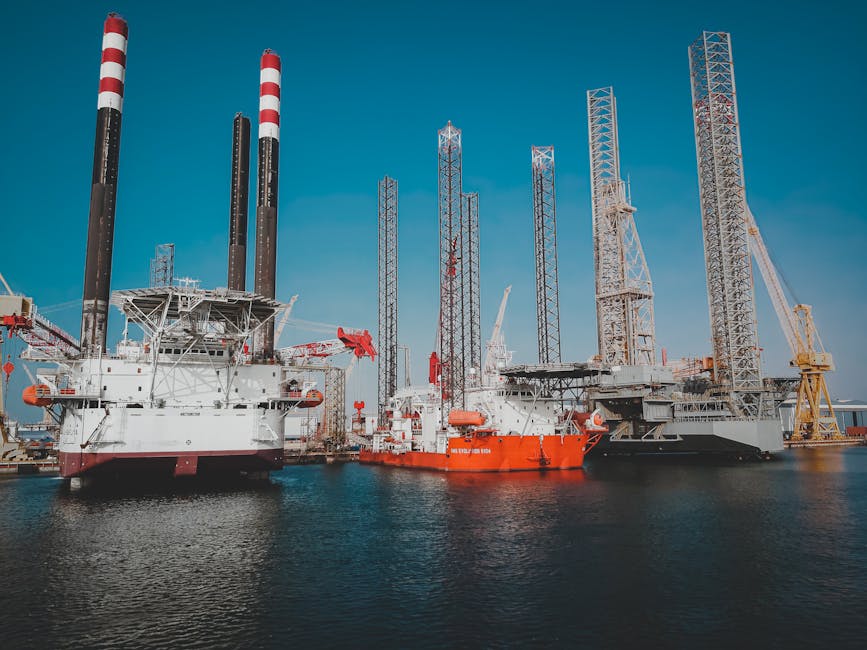
- Oil prices have surged by over 3% due to renewed conflict between the US and Iran, raising concerns about market stability.
- The crisis began with US sanctions on Iran’s nuclear program and has escalated with recent attacks on oil facilities in the Middle East.
- Global markets are reacting to the diplomatic tensions, with stock futures falling sharply as investors worry about the economic impact.
- The Middle East’s oil-producing countries are key to global supply, and any disruption could significantly affect the global economy and fuel costs.
- The situation could have long-lasting effects on international relations and energy markets, highlighting the importance of peace in the region.
The price of oil has jumped by more than 3% and stock futures have fallen sharply as traders and investors react to the renewed conflict between the US and Iran. This sudden shift in market sentiment comes after a weekend of intense diplomatic activity, which had raised hopes of a peaceful resolution to the crisis. However, the latest developments have dashed these hopes, sending shockwaves through global markets and prompting a sharp increase in oil prices. The rise in oil prices is likely to have far-reaching consequences, affecting everything from the cost of fuel to the overall health of the global economy.
Escalating Tensions in the Middle East

The current crisis began several months ago, when the US imposed tough economic sanctions on Iran, citing concerns over the country’s nuclear program. Since then, tensions between the two nations have continued to escalate, with both sides engaging in a series of tit-for-tat attacks. The situation took a dramatic turn over the weekend, when a series of attacks on oil facilities in the Middle East sparked fears of a wider conflict. As a result, traders and investors are now becoming increasingly nervous, with many predicting that the situation could have serious consequences for the global economy. The Middle East is home to some of the world’s most important oil-producing countries, and any disruption to supplies could have a major impact on the price of oil.
Key Players and Interests

The current conflict involves a number of key players, including the US, Iran, and several other countries in the Middle East. The US has been seeking to impose its will on Iran, using a combination of economic sanctions and military pressure to try and force the country to abandon its nuclear program. Iran, on the other hand, has been resisting these efforts, and has launched a series of attacks on US and Saudi targets in recent months. Other countries in the region, including Saudi Arabia and the UAE, are also playing an important role in the conflict, with both nations providing military and economic support to the US. As the situation continues to escalate, it is likely that other countries will become involved, including European nations and China.
Market Analysis and Trends
From a market perspective, the current conflict is having a major impact on the price of oil. The price of Brent crude has risen by more than 3% in recent days, and is now trading at over $70 per barrel. This increase in the price of oil is likely to have a number of consequences, including higher fuel prices and increased costs for businesses. The conflict is also having an impact on stock markets, with futures falling sharply in response to the latest developments. The Dow Jones is currently down by over 1%, while the S&P 500 is down by around 0.8%. As the situation continues to unfold, it is likely that we will see further volatility in markets, with traders and investors reacting to any new developments.
Economic Implications and Risks
The current conflict poses a number of risks to the global economy, including the possibility of higher oil prices and disrupted supplies. If the situation were to escalate further, it is possible that we could see a significant increase in the price of oil, which would have major consequences for businesses and consumers. Higher oil prices would increase the cost of fuel, which would have a ripple effect throughout the economy, leading to higher prices for goods and services. The conflict also poses a risk to global trade, with the possibility of disrupted supplies and increased tensions between nations. As a result, it is likely that we will see a slowdown in economic growth, particularly in countries that are heavily reliant on oil imports.
Expert Perspectives
Experts are divided on the likely outcome of the current conflict, with some predicting a peaceful resolution and others warning of a wider war. According to some analysts, the US and Iran are likely to engage in a series of diplomatic talks, which could lead to a peaceful resolution to the crisis. However, others are more pessimistic, warning that the situation could escalate further and lead to a wider conflict. As one expert noted, “the current situation is highly volatile, and it is difficult to predict what will happen next. However, one thing is certain – the consequences of a wider conflict would be severe, and would have major implications for the global economy.”
Looking ahead, it is likely that we will see further developments in the conflict between the US and Iran. As the situation continues to unfold, traders and investors will be watching closely, looking for any signs of a peaceful resolution or further escalation. One key question is what role other countries will play in the conflict, and whether they will be able to help broker a peaceful resolution. As the global economy continues to evolve, it is likely that we will see a number of challenges and opportunities emerge, and the current conflict is just one example of the complex and interconnected nature of global markets.