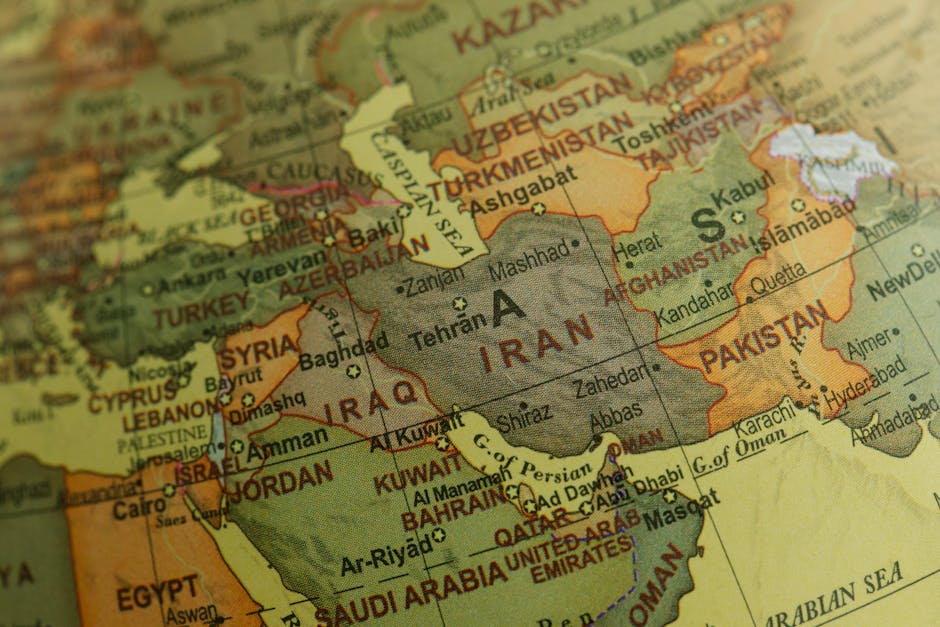
The price of oil has fallen sharply, with Brent crude declining by over 4% and West Texas Intermediate crude dropping by more than 3%, after Iran announced that the Strait of Hormuz, a critical waterway for global oil trade, is open. This sudden decrease in oil prices has been welcomed by consumers but has raised concerns among investors and oil producers. The Strait of Hormuz, which connects the Persian Gulf to the Gulf of Oman, is a vital shipping route for oil exports from countries such as Saudi Arabia, Iraq, and Kuwait. Any disruption to shipping in this region can have significant impacts on global oil supplies and prices.
Background and Current Situation

The current situation in the Middle East, particularly the tensions between Iran and other countries in the region, as well as with the United States, has been a major factor influencing oil prices in recent months. The oil industry in the Persian Gulf has been on high alert due to the increased risk of conflict and the potential for disruptions to oil supplies. Despite Iran’s announcement that the Strait of Hormuz is open, analysts remain cautious, suggesting that it may take some time for the oil industry in the region to return to normal. The complexities of the geopolitical situation and the fragility of peace in the region mean that any stability is likely to be short-lived, and the oil market remains highly volatile.
Key Details of the Announcement

Iran’s announcement that the Strait of Hormuz is open has been met with a mixture of relief and skepticism by the international community. While the news has been welcomed by oil consumers, who are likely to see lower prices at the pump, it has raised concerns among oil producers, who are worried about the potential impact on their revenues. The details of the announcement are still emerging, but it appears that Iran has taken steps to ensure the safe passage of oil tankers through the Strait of Hormuz. However, the situation remains highly uncertain, and any miscalculation or misunderstanding could lead to further conflict and disruption to oil supplies.
Analysis of the Situation
Analysts believe that the impact of Iran’s announcement on the oil market will be significant, at least in the short term. The decrease in oil prices is likely to continue, at least until the market becomes more confident that the Strait of Hormuz will remain open and that oil supplies from the region will not be disrupted. However, the longer-term implications of the announcement are less clear. Some analysts believe that the tensions in the region are unlikely to ease anytime soon, and that the risk of conflict and disruption to oil supplies will remain high. Others believe that the announcement may be a sign that Iran is seeking to reduce tensions and that a more stable situation may emerge in the coming months.
Implications for the Global Economy
The implications of the announcement for the global economy are significant. A decrease in oil prices is likely to have a positive impact on consumer spending and economic growth, at least in the short term. However, the potential for further conflict and disruption to oil supplies in the region means that the situation remains highly uncertain. The impact on oil-producing countries, which rely heavily on oil exports to fund their economies, could be significant, and any prolonged period of low oil prices could lead to economic instability in these countries. As the situation continues to evolve, it is likely that the global economy will remain highly sensitive to any developments in the region.
Expert Perspectives
Experts have varying opinions on the implications of Iran’s announcement. Some believe that the move is a positive step towards reducing tensions in the region and that it may lead to a more stable situation in the coming months. Others are more cautious, suggesting that the announcement may be a tactical move by Iran to gain an advantage in its negotiations with other countries. As one expert noted, “The situation in the region remains highly complex, and any prediction about what may happen next is highly uncertain. However, one thing is clear: the oil market will remain highly volatile until the situation stabilizes.”
Looking ahead, the key question is what will happen next. Will the situation in the region continue to stabilize, or will tensions escalate once again? The answer to this question will have significant implications for the oil market and the global economy. As the situation continues to evolve, it is likely that the oil market will remain highly sensitive to any developments in the region, and any further disruptions to oil supplies could have significant impacts on global oil prices and the economy.