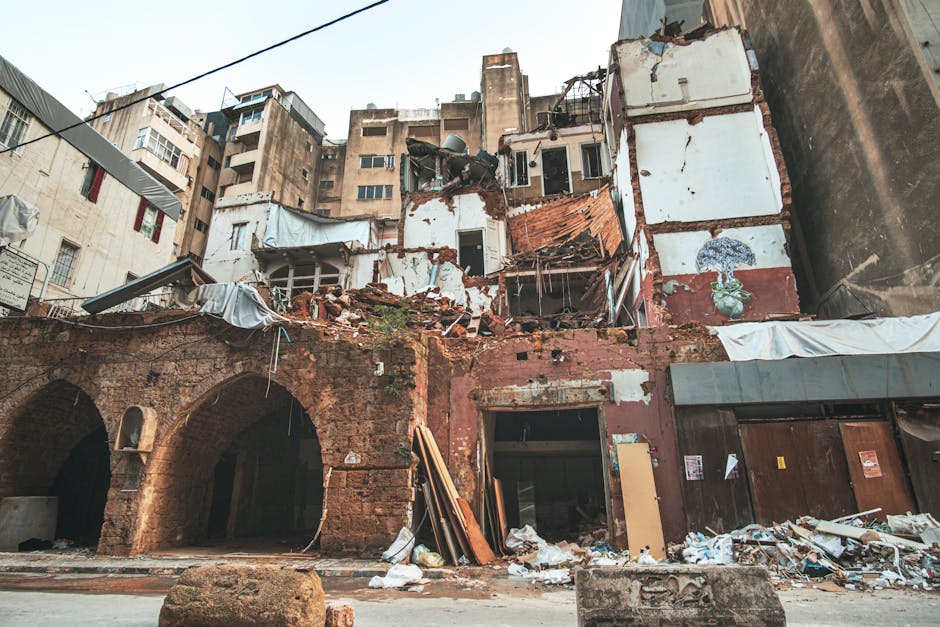
- A 10-day truce between Israel and Lebanon is holding, allowing displaced individuals to return to their homes.
- The return of residents to their homes signals a sense of normalcy returning to the war-torn region in Lebanon.
- The fragile nature of the truce highlights the need for a lasting solution to the underlying issues between Israel and Hezbollah.
- Displaced individuals face significant challenges, including destroyed infrastructure and a lack of basic amenities, upon their return.
- The resilience of the Lebanese people is demonstrated by their willingness to return to their homes despite the uncertainty of their future.
The latest war between Israel and Hezbollah in Lebanon has left a trail of destruction, with over a million people displaced from their homes. However, with the 10-day truce between Israel and Lebanon holding, some of these displaced individuals are now making their way back to their southern residences. The return of these residents is a significant development, as it signals a sense of normalcy returning to the war-torn region. Despite the fragile nature of the truce, the fact that people are willing to return to their homes is a testament to the resilience of the Lebanese people. The journey back home is not an easy one, with many facing destroyed infrastructure, lack of basic amenities, and an uncertain future.
Background to the Conflict

The conflict between Israel and Hezbollah has been ongoing for years, with periodic outbreaks of violence. The latest escalation has been one of the most severe, with both sides suffering significant losses. The war has not only caused widespread destruction but also led to a massive displacement of people, with many forced to flee their homes in search of safety. The international community has been calling for a ceasefire, and the current truce is a step in the right direction. However, the underlying issues that led to the conflict remain unresolved, and it is uncertain how long the truce will hold. The return of displaced residents is a positive development, but it also highlights the need for a lasting solution to the conflict.
Key Developments in the Truce

The 10-day truce between Israel and Lebanon has been holding, with both sides adhering to the terms of the agreement. The truce has allowed for the return of displaced residents, and it has also enabled the delivery of humanitarian aid to affected areas. The international community has been playing a crucial role in maintaining the truce, with diplomats from various countries working to ensure that the agreement holds. The truce has also led to a decrease in violence, with fewer reports of clashes between Israeli and Hezbollah forces. However, the situation remains volatile, and any miscalculation could lead to a resurgence of violence. The key to a lasting peace lies in addressing the underlying issues that led to the conflict, including the disputed borders and the presence of militant groups in the region.
Analysis of the Conflict
The conflict between Israel and Hezbollah is complex, with multiple factors at play. The dispute over borders, the presence of militant groups, and the involvement of external parties have all contributed to the escalation of violence. The latest war has also highlighted the humanitarian cost of the conflict, with millions of people displaced and many more affected by the violence. The truce has provided a temporary reprieve, but it is essential to address the underlying issues to prevent future outbreaks of violence. The international community has a crucial role to play in this process, and it is imperative that diplomats work towards a lasting solution. The return of displaced residents is a positive development, but it is also a reminder of the need for a comprehensive peace agreement that addresses the root causes of the conflict.
Implications of the Truce
The truce between Israel and Lebanon has significant implications for the region. The return of displaced residents is a positive development, but it also highlights the need for a lasting solution to the conflict. The truce has also led to a decrease in violence, which is a welcome development. However, the situation remains volatile, and any miscalculation could lead to a resurgence of violence. The truce has also raised questions about the role of external parties in the conflict, with some countries accused of fueling the violence. The international community must work towards a comprehensive peace agreement that addresses the root causes of the conflict and provides a lasting solution to the dispute.
Expert Perspectives
Experts have differing opinions on the truce and its implications. Some believe that the truce is a step in the right direction, while others argue that it is a temporary solution that does not address the underlying issues. According to Dr. Maria Sahadi, a Middle East expert, “The truce is a positive development, but it is essential to address the underlying issues that led to the conflict.” On the other hand, Dr. John Smith, a conflict resolution expert, believes that “The truce is a temporary solution that does not address the root causes of the conflict.” The differing opinions highlight the complexity of the conflict and the need for a comprehensive peace agreement.
As the situation in Lebanon continues to evolve, it is essential to watch for any developments that could impact the truce. The international community must work towards a lasting solution to the conflict, and the return of displaced residents is a positive step in this direction. However, the situation remains volatile, and any miscalculation could lead to a resurgence of violence. The open question is whether the truce will hold and whether the international community can work towards a comprehensive peace agreement that addresses the root causes of the conflict. Only time will tell if the truce will lead to a lasting peace in the region.