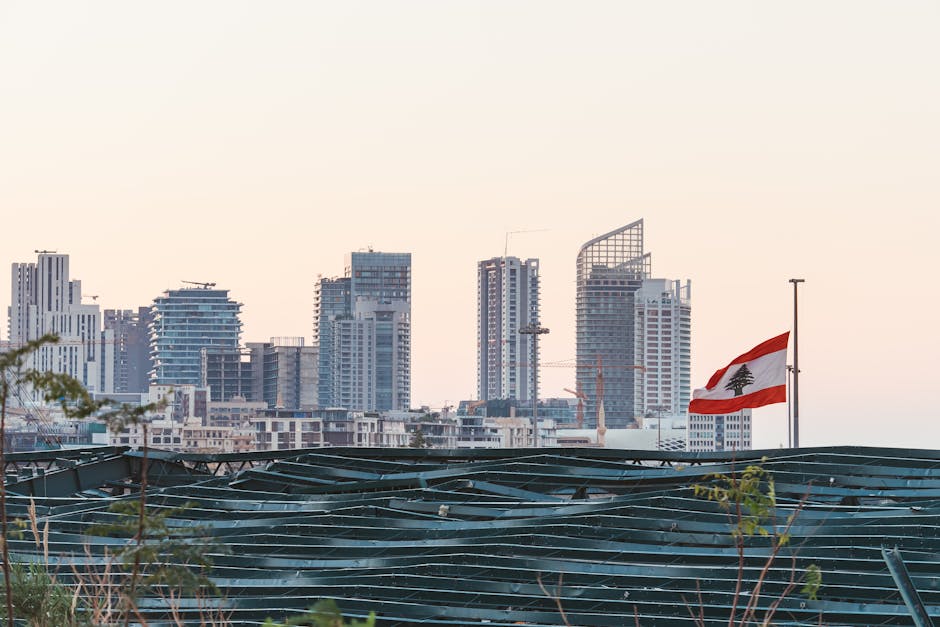
- Over 100,000 displaced citizens have returned to their homes in Lebanon in the past week, a significant increase from the previous month.
- Israel’s strikes on ‘terrorists’ approaching its forces in southern Lebanon have sparked concerns of a potential escalation.
- A UN peacekeeper was killed in a separate incident, underscoring the risks and challenges faced by those working to maintain the peace.
- The fragile peace in Lebanon is being tested by the ongoing conflict between Israel and Hezbollah, a militant group based in Lebanon.
- The return of displaced citizens to their homes highlights the need for a sustainable and equitable solution to the conflict.
The cessation of hostilities in Lebanon has led to a surge in the number of displaced citizens returning to their homes, with many expressing relief and caution as they attempt to rebuild their lives. According to the United Nations, over 100,000 people have returned to their homes in the past week alone, a significant increase from the previous month. However, the fragile peace is being tested as Israel carried out strikes on what it termed “terrorists” approaching its forces in southern Lebanon, sparking concerns of a potential escalation. Meanwhile, a UN peacekeeper was killed in a separate incident, underscoring the risks and challenges faced by those working to maintain the peace.
Background to the Conflict

The current conflict in Lebanon has its roots in a long-standing dispute between Israel and Hezbollah, a militant group based in Lebanon. The situation has been exacerbated by the involvement of various regional and international players, including Iran and the United States. The humanitarian crisis sparked by the conflict has led to a massive displacement of civilians, with many forced to flee their homes in search of safety. The international community has been working to broker a lasting peace, but the challenges are numerous, and the situation remains volatile. The return of displaced citizens to their homes is a positive development, but it also highlights the need for a sustainable and equitable solution to the conflict.
Key Developments in the Conflict

Despite the challenges, the cease-fire has mostly held, with both sides appearing to exercise restraint. However, the Israeli strikes on suspected terrorists and the killing of a UN peacekeeper have raised concerns about the potential for escalation. The international community has called for calm and restraint, with the United States and other key players urging all sides to respect the cease-fire. The Lebanese government has also pledged to work towards a lasting peace, but the road ahead will be difficult, and the situation remains precarious. The involvement of various militant groups and the presence of foreign forces in the region add to the complexity of the situation, making it challenging to achieve a lasting peace.
Analysis of the Situation
Experts warn that the situation in Lebanon remains highly volatile, with the potential for escalation still present. The Israeli strikes and the killing of a UN peacekeeper have raised concerns about the ability of the parties to respect the cease-fire. However, the return of displaced citizens to their homes is a positive development, and the international community is working to support the peace process. The United Nations has pledged to increase its presence in the region, and the European Union has offered economic aid to support the reconstruction efforts. The situation is complex, and the challenges are numerous, but there are also opportunities for progress, and the international community must work together to support a lasting peace.
Implications of the Conflict
The conflict in Lebanon has significant implications for the region and the world. The humanitarian crisis sparked by the conflict has led to a massive displacement of civilians, and the economic costs are substantial. The conflict also has the potential to destabilize the entire region, with the involvement of various regional and international players adding to the complexity of the situation. The international community must work together to support a lasting peace, and the parties to the conflict must be willing to make compromises and work towards a sustainable solution. The return of displaced citizens to their homes is a positive development, but it is only the first step towards a lasting peace, and much work remains to be done.
Expert Perspectives
Experts have differing views on the situation in Lebanon, with some expressing optimism about the potential for a lasting peace, while others warn of the dangers of escalation. According to one expert, “the situation in Lebanon is highly volatile, and the potential for escalation is still present. However, the return of displaced citizens to their homes is a positive development, and the international community must work to support the peace process.” Another expert warned that “the conflict in Lebanon has significant implications for the region and the world, and the international community must work together to support a lasting peace.” The differing perspectives highlight the complexity of the situation and the need for a nuanced and multifaceted approach to resolving the conflict.
As the situation in Lebanon continues to evolve, it is essential to watch for signs of escalation or progress towards a lasting peace. The international community must remain vigilant and work together to support the peace process, and the parties to the conflict must be willing to make compromises and work towards a sustainable solution. The question on everyone’s mind is what the future holds for Lebanon and the region, and only time will tell if the current cease-fire will hold and lead to a lasting peace. The situation is complex, and the challenges are numerous, but there are also opportunities for progress, and the international community must work together to support a lasting peace.