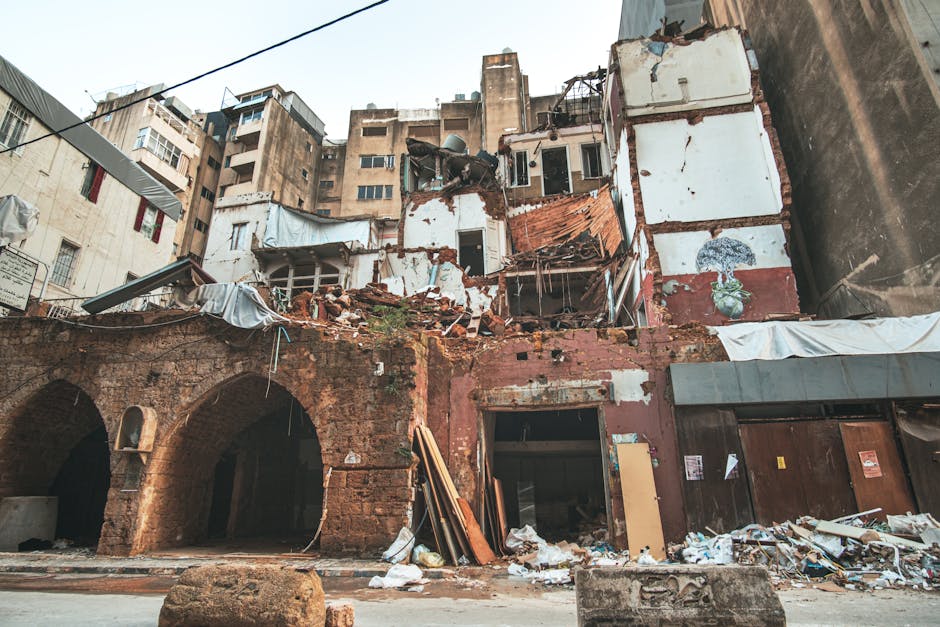
The ongoing conflict in southern Lebanon has left thousands of residents in a precarious position, with a stark choice to make: stay home and risk being killed, or flee and risk deepening poverty. The situation is particularly dire for those living in close proximity to the conflict zone, where the sound of gunfire and explosions has become a constant presence. According to recent estimates, over 8,000 civilians remain trapped in the area, with limited access to basic necessities like food, water, and medical care. As the conflict rages on, the humanitarian crisis continues to escalate, leaving many to wonder if there is any end in sight.
A History of Instability

The current situation in southern Lebanon is the latest chapter in a long history of instability and conflict in the region. For decades, the area has been a flashpoint for tensions between rival factions, with civilians often caught in the crossfire. The recent escalation of violence has only served to exacerbate the existing humanitarian crisis, with many residents forced to flee their homes in search of safety. Despite efforts by international organizations to provide aid and support, the situation remains dire, with many struggling to access even the most basic necessities. As the conflict continues to unfold, it is clear that a lasting resolution will require a comprehensive and sustained effort from all parties involved.
Key Players and Interests

The conflict in southern Lebanon involves a complex array of key players and interests, each with their own agenda and motivations. At the heart of the conflict are rival factions vying for control of the region, with each side seeking to assert its dominance and protect its interests. The situation is further complicated by the involvement of external actors, who are seeking to exert their influence and shape the outcome of the conflict. As the situation continues to unfold, it is clear that a lasting resolution will require a nuanced understanding of the complex web of interests and alliances at play. With multiple parties involved, including regional and international actors, finding a peaceful solution will be a daunting task.
Humanitarian Fallout
The humanitarian fallout from the conflict in southern Lebanon has been severe, with thousands of civilians displaced and many more affected by the violence. The situation is particularly dire for vulnerable populations, such as women, children, and the elderly, who are often the most susceptible to the effects of conflict. According to recent reports, many of those displaced are struggling to access basic necessities like food, water, and shelter, with some forced to rely on makeshift camps and informal settlements. As the conflict continues to rage on, it is clear that a comprehensive and sustained humanitarian response will be required to mitigate the effects of the crisis and provide support to those in need.
Long-Term Implications
The long-term implications of the conflict in southern Lebanon are far-reaching and profound, with the potential to shape the future of the region for generations to come. As the situation continues to unfold, it is clear that a lasting resolution will require a commitment to rebuilding and reconstruction, as well as a sustained effort to address the underlying causes of the conflict. The international community has a critical role to play in supporting this process, through the provision of aid, assistance, and diplomatic support. However, with the conflict showing no signs of abating, it remains to be seen whether a peaceful resolution can be achieved, and what the ultimate cost will be for the people of southern Lebanon.
Expert Perspectives
Experts and analysts are divided on the best course of action to address the conflict in southern Lebanon, with some advocating for a negotiated settlement and others pushing for a more robust military response. According to one expert, “the key to resolving the conflict lies in addressing the underlying grievances and concerns of all parties involved, through a comprehensive and inclusive dialogue.” Others, however, argue that a more forceful approach is needed, citing the need to protect civilians and prevent further escalation. As the situation continues to unfold, it is clear that a nuanced and multifaceted approach will be required, one that takes into account the complex array of interests and alliances at play.
Looking to the future, it is clear that the situation in southern Lebanon will require close monitoring and attention in the days and weeks to come. As the conflict continues to rage on, the international community will be watching with bated breath, eager to see if a peaceful resolution can be achieved. One thing is certain, however: the people of southern Lebanon deserve a chance to live in peace and security, free from the fear of violence and displacement. The question is, what will it take to make this a reality, and how can the international community support this process?