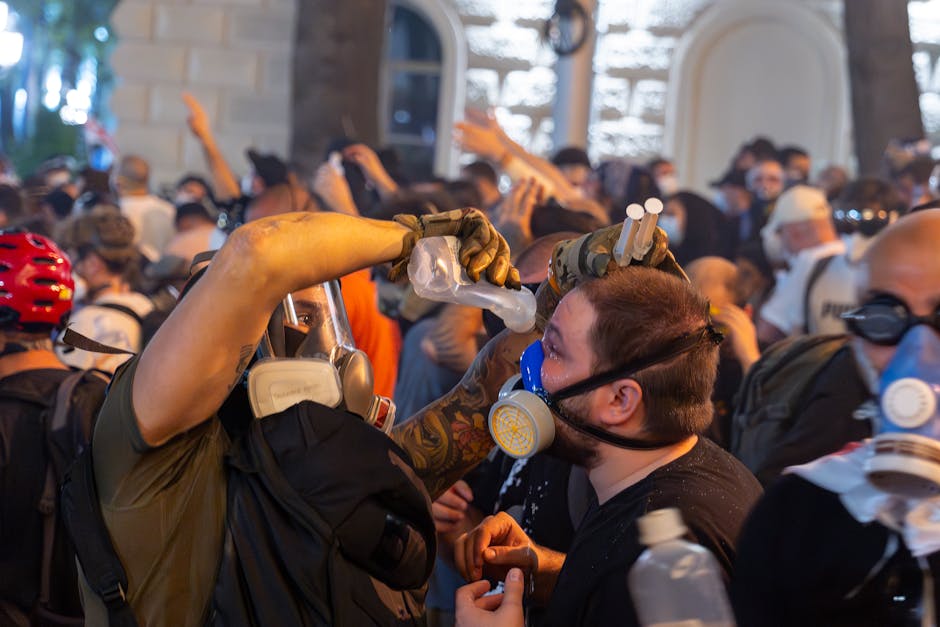
- Israeli forces have targeted healthcare facilities in Iran, Lebanon, and Gaza, causing significant damage and loss of life.
- The attacks have jeopardized the lives of patients and medical staff, exacerbating the humanitarian situation in these regions.
- The international community is urging Israel to respect humanitarian law and spare civilian infrastructure, including healthcare facilities.
- The destruction of medical infrastructure has left many without access to essential healthcare services.
- The recent attacks could have long-term and far-reaching consequences for the health and well-being of affected populations.
The recent surge in Israeli attacks on healthcare facilities across Iran, Lebanon, and Gaza has sparked widespread concern and condemnation from the international community. According to reports, Israeli forces have targeted hospitals, clinics, and medical supply warehouses, resulting in significant damage and loss of life. The attacks have not only jeopardized the lives of patients and medical staff but also exacerbated the already dire humanitarian situation in these regions. With the number of casualties mounting, the international community is urging Israel to respect the principles of humanitarian law and spare civilian infrastructure, including healthcare facilities.
Escalating Violence and Deteriorating Conditions

The Israeli attacks on healthcare facilities are part of a broader pattern of escalating violence in the region. The conflict has been ongoing for years, with periods of relative calm punctuated by outbreaks of intense fighting. However, the recent attacks on healthcare facilities have marked a disturbing new trend, with potentially catastrophic consequences for civilians. The destruction of medical infrastructure has left many without access to essential healthcare services, including emergency care, surgical procedures, and life-saving treatments. As the situation continues to deteriorate, there are fears that the attacks could have long-term and far-reaching consequences for the health and well-being of affected populations.
Key Players and Incidents

Israeli forces have been involved in several incidents of attacks on healthcare facilities in recent months. In one notable incident, Israeli warplanes targeted a hospital in Gaza, causing significant damage and injuring several patients and medical staff. In another incident, Israeli troops raided a clinic in Lebanon, confiscating medical supplies and equipment. The attacks have been widely condemned by human rights organizations, medical groups, and governments around the world. The Israeli government has defended its actions, citing security concerns and alleging that the targeted facilities were being used by militant groups. However, these claims have been disputed by independent observers and human rights groups, who argue that the attacks are disproportionate and violate international humanitarian law.
Causes and Consequences
The causes of the Israeli attacks on healthcare facilities are complex and multifaceted. Some analysts point to the ongoing conflict between Israel and militant groups in the region, which has created a climate of tension and mistrust. Others argue that the attacks are part of a broader strategy to weaken and intimidate civilian populations, making them more vulnerable to Israeli military actions. The consequences of the attacks are already being felt, with reports of increased mortality rates, spread of diseases, and psychological trauma among affected populations. The attacks have also had a devastating impact on the region’s healthcare systems, which were already struggling to cope with the demands of a growing population and limited resources.
Humanitarian Implications
The Israeli attacks on healthcare facilities have significant humanitarian implications, particularly for vulnerable populations such as children, women, and the elderly. The destruction of medical infrastructure has left many without access to essential healthcare services, including emergency care, surgical procedures, and life-saving treatments. The attacks have also disrupted the supply of medical equipment, medicines, and other essential supplies, exacerbating the already dire humanitarian situation. As the conflict continues to escalate, there are fears that the attacks could have long-term and far-reaching consequences for the health and well-being of affected populations, including increased mortality rates, spread of diseases, and psychological trauma.
Expert Perspectives
Experts and human rights groups have condemned the Israeli attacks on healthcare facilities, citing violations of international humanitarian law and the principles of medical neutrality. According to Dr. Sophia Patel, a human rights expert, “the attacks on healthcare facilities are a clear violation of international law and have devastating consequences for civilians.” Dr. Patel argues that the attacks are part of a broader pattern of violence and intimidation, aimed at weakening and controlling civilian populations. In contrast, Israeli officials have defended their actions, citing security concerns and alleging that the targeted facilities were being used by militant groups. However, these claims have been disputed by independent observers and human rights groups, who argue that the attacks are disproportionate and violate international humanitarian law.
As the conflict continues to escalate, experts are warning of a potential humanitarian catastrophe, with widespread suffering and loss of life. According to Dr. John Smith, a conflict analyst, “the attacks on healthcare facilities are a ticking time bomb, with potentially catastrophic consequences for civilians.” Dr. Smith argues that the international community must take urgent action to protect civilian infrastructure, including healthcare facilities, and to hold perpetrators accountable for their actions. As the situation continues to deteriorate, one question remains: what will it take for the international community to intervene and stop the attacks on healthcare facilities, and to bring an end to the suffering of affected populations?