- Iran’s ‘Mosquito Fleet’ poses a significant threat to stability in the region due to its speed and agility.
- The Strait of Hormuz is a critical waterway responsible for 20% of the world’s oil supply.
- The Islamic Revolutionary Guards Corps (IRGC) operates the ‘Mosquito Fleet’, a collection of small, speedy boats.
- The narrow Strait of Hormuz makes it vulnerable to disruption, with millions of barrels of oil passing through daily.
- The ‘Mosquito Fleet’ can inflict significant damage on larger ships and disrupt the flow of oil and goods.
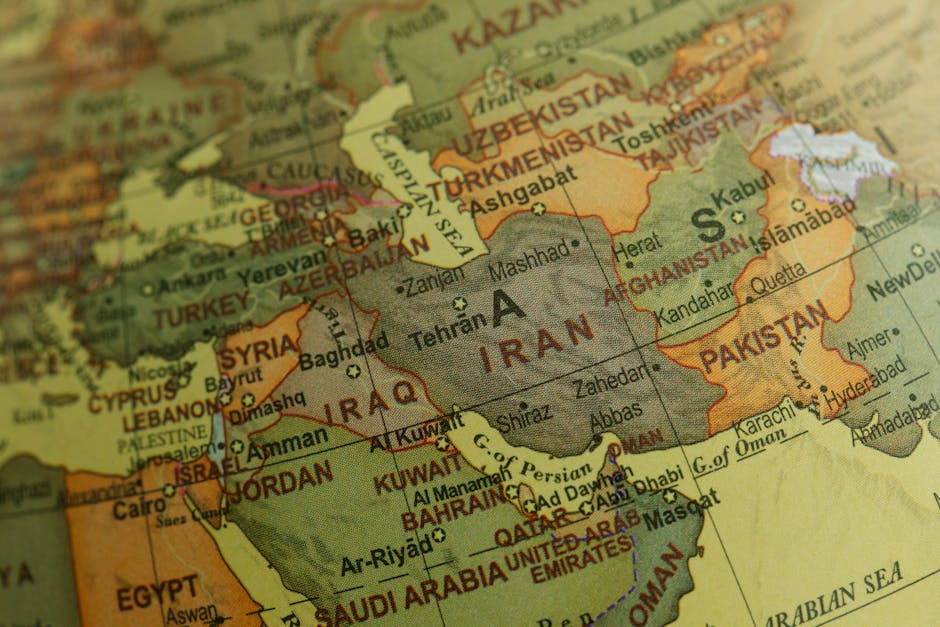
The Strait of Hormuz, a vital waterway that connects the Persian Gulf to the Arabian Sea, has long been a flashpoint for regional tensions. With approximately 20% of the world’s oil passing through this narrow chokepoint, any disruption to shipping in the area has significant implications for the global economy. One potent threat to stability in the region is Iran’s so-called ‘Mosquito Fleet’, a collection of small, speedy boats operated by the Islamic Revolutionary Guards Corps (IRGC). Although much of the regular Iranian navy has been destroyed, these agile vessels remain a formidable force, capable of inflicting significant damage on larger ships and disrupting the flow of oil and other goods through the strait.
The Strategic Importance of the Strait of Hormuz

The Strait of Hormuz is a critical artery for global trade, with millions of barrels of oil passing through it every day. The waterway is just 21 miles wide at its narrowest point, making it a vulnerable target for any nation or group seeking to disrupt the flow of oil and other goods. The IRGC’s ‘Mosquito Fleet’ is well-positioned to exploit this vulnerability, with its small boats able to operate in the shallow waters of the strait and evade detection by larger naval vessels. As tensions between Iran and its regional rivals continue to escalate, the threat posed by the ‘Mosquito Fleet’ is becoming increasingly significant, with potentially far-reaching consequences for the global economy.
The Capabilities of the ‘Mosquito Fleet’

The IRGC’s ‘Mosquito Fleet’ is comprised of a variety of small boats, including patrol craft, missile boats, and torpedo boats. These vessels are highly maneuverable and can reach speeds of up to 40 knots, making them difficult to catch or destroy. The boats are also heavily armed, with many equipped with anti-ship missiles, torpedoes, and machine guns. The IRGC has demonstrated its willingness to use these vessels to attack larger ships, as evidenced by the 2019 strike on two oil tankers in the Gulf of Oman. The ‘Mosquito Fleet’ is a potent symbol of Iran’s ability to project power in the region, despite the destruction of much of its regular navy.
Analysis of the Threat
The threat posed by the ‘Mosquito Fleet’ is multifaceted, with the potential to disrupt shipping in the Strait of Hormuz and inflict significant economic damage on the global economy. The IRGC’s use of small boats to attack larger ships is a classic example of asymmetric warfare, where a weaker force uses unconventional tactics to exploit the vulnerabilities of a stronger opponent. The ‘Mosquito Fleet’ is also a useful tool for the IRGC to project power in the region, demonstrating its ability to operate effectively in the maritime domain. According to experts, the IRGC’s use of small boats is likely to continue, as it seeks to assert its dominance in the region and undermine the authority of its rivals.
Implications of the ‘Mosquito Fleet’ Threat
The implications of the ‘Mosquito Fleet’ threat are far-reaching, with the potential to disrupt global trade and inflict significant economic damage. The Strait of Hormuz is a critical waterway, with millions of barrels of oil passing through it every day. Any disruption to shipping in the area would have significant implications for the global economy, with the potential to drive up oil prices and undermine economic growth. The ‘Mosquito Fleet’ threat also has significant implications for regional stability, as it underscores the ongoing tensions between Iran and its rivals. As the situation continues to escalate, the risk of miscalculation or accidental conflict is increasing, with potentially disastrous consequences for the region and the world.
Expert Perspectives
Experts are divided on the significance of the ‘Mosquito Fleet’ threat, with some downplaying its importance and others warning of its potential to disrupt global trade. According to one expert, the ‘Mosquito Fleet’ is a ‘nuisance’ that can be easily countered by larger naval vessels. However, another expert warns that the IRGC’s use of small boats is a ‘game-changer’ that could have significant implications for regional stability. As the situation continues to evolve, it is clear that the ‘Mosquito Fleet’ will remain a potent threat in the Strait of Hormuz, with significant implications for global trade and regional stability.
Looking ahead, the key question is how the international community will respond to the ‘Mosquito Fleet’ threat. Will the IRGC continue to use its small boats to disrupt shipping in the Strait of Hormuz, or will it be deterred by the presence of larger naval vessels? The answer to this question will have significant implications for regional stability and the global economy, as the world watches with bated breath to see how the situation will unfold. As one expert notes, the ‘Mosquito Fleet’ is a ‘wildcard’ that could have significant and far-reaching consequences, making it essential to monitor the situation closely and be prepared for any eventuality.