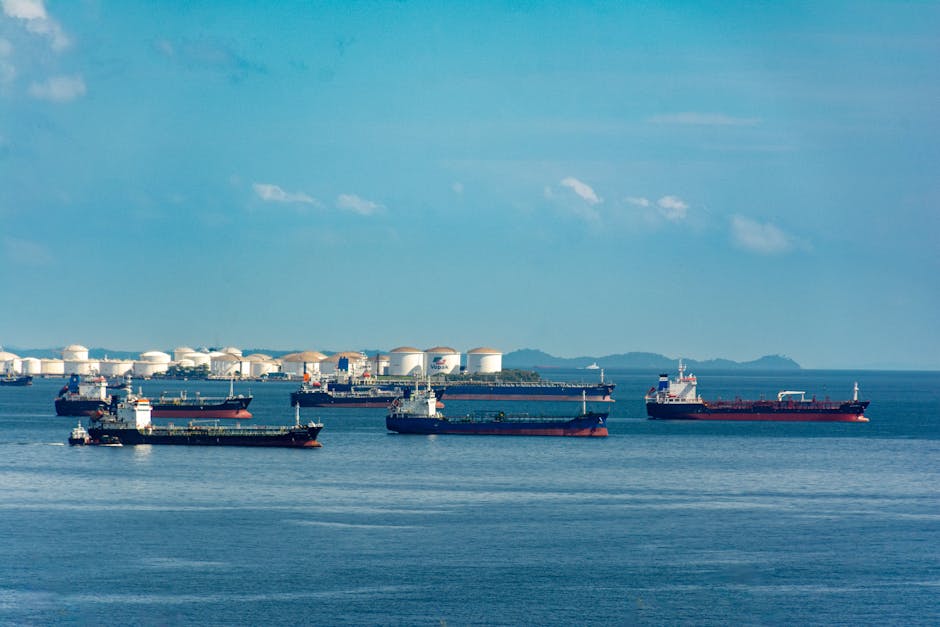
- High gas prices worldwide prompted the Trump administration to reconsider Russian oil exports.
- The average gas price in the US has increased by over 10% since the beginning of the year.
- The Trump administration’s decision to loosen restrictions on Russian oil exports aims to mitigate the impact of high energy costs.
- The exemption of Russian oil from sanctions is a significant development in the current geopolitical climate.
- The Trump administration’s move is expected to have far-reaching implications for the global energy market.
The ongoing turmoil in the Middle East has led to a significant surge in gas prices worldwide, prompting the Trump administration to extend sanctions exemptions on certain Russian oil exports. This move is aimed at mitigating the impact of high energy costs on the global economy. Notably, the average gas price in the United States has increased by over 10% since the beginning of the year, affecting millions of consumers and businesses alike. As the situation in the Middle East continues to unfold, the Trump administration’s decision to loosen restrictions on Russian oil exports is expected to have far-reaching implications for the global energy market.
Russian Oil and Geopolitics

The exemption of Russian oil from sanctions is a significant development, given the current geopolitical climate. The war in the Middle East has disrupted oil supplies from the region, leading to a shortage of crude oil in the global market. As a result, energy prices have skyrocketed, affecting not only the United States but also other countries that rely heavily on oil imports. The Trump administration’s decision to allow certain Russian oil exports is seen as an attempt to stabilize the energy market and prevent further price increases. This move is also expected to have a positive impact on the US economy, which has been experiencing slow growth in recent months.
Sanctions and Energy Market Dynamics

The extension of sanctions exemptions on Russian oil exports is a complex issue, involving both political and economic considerations. On one hand, the Trump administration is keen to maintain a tough stance on Russia, given its involvement in various global conflicts. On the other hand, the current energy market dynamics dictate that Russian oil is essential to meet the global demand for crude oil. The US has imposed sanctions on several Russian energy companies, including Rosneft, in response to Moscow’s actions in Ukraine and other parts of the world. However, the exemption of certain Russian oil exports suggests that the Trump administration is willing to make exceptions in order to ensure energy security and stability.
Global Implications and Market Reactions
The decision to extend sanctions exemptions on Russian oil exports is expected to have significant implications for the global energy market. Oil prices are likely to decline in the short term, as the increased supply of Russian oil helps to meet the global demand. However, the long-term impact of this move remains uncertain, as it depends on various factors, including the outcome of the conflict in the Middle East and the response of other oil-producing countries. The market reaction to the Trump administration’s decision has been mixed, with some analysts welcoming the move as a positive step towards energy security, while others have expressed concerns about the potential consequences for the global economy.
Economic and Political Fallout
The extension of sanctions exemptions on Russian oil exports is likely to have far-reaching economic and political implications. The move is expected to benefit the US economy, as lower energy prices will help to boost consumer spending and economic growth. However, it may also have negative consequences for other countries, particularly those that rely heavily on oil exports. The decision may also be seen as a sign of weakness by some countries, particularly in the Middle East, which may view the Trump administration’s move as an attempt to appease Russia. As the situation continues to unfold, it is essential to monitor the economic and political fallout of this decision and its impact on the global energy market.
Expert Perspectives
Experts have differing opinions on the Trump administration’s decision to extend sanctions exemptions on Russian oil exports. Some analysts believe that the move is a pragmatic step towards energy security, while others see it as a mistake that may have negative consequences for the global economy. According to Dr. Daniel Yergin, a leading energy expert, “The decision to allow Russian oil exports is a sign of the complexities of the global energy market, where geopolitics and economics are deeply intertwined.” On the other hand, some critics argue that the move undermines the effectiveness of sanctions and may embolden Russia to pursue its aggressive policies in the region.
As the global energy market continues to evolve, it is essential to keep a close eye on the developments in the Middle East and the response of major oil-producing countries. The Trump administration’s decision to extend sanctions exemptions on Russian oil exports is a significant move that may have far-reaching implications for the global economy. As the situation unfolds, one question remains: will the increased supply of Russian oil be enough to stabilize the energy market, or will other factors come into play to disrupt the global economy?