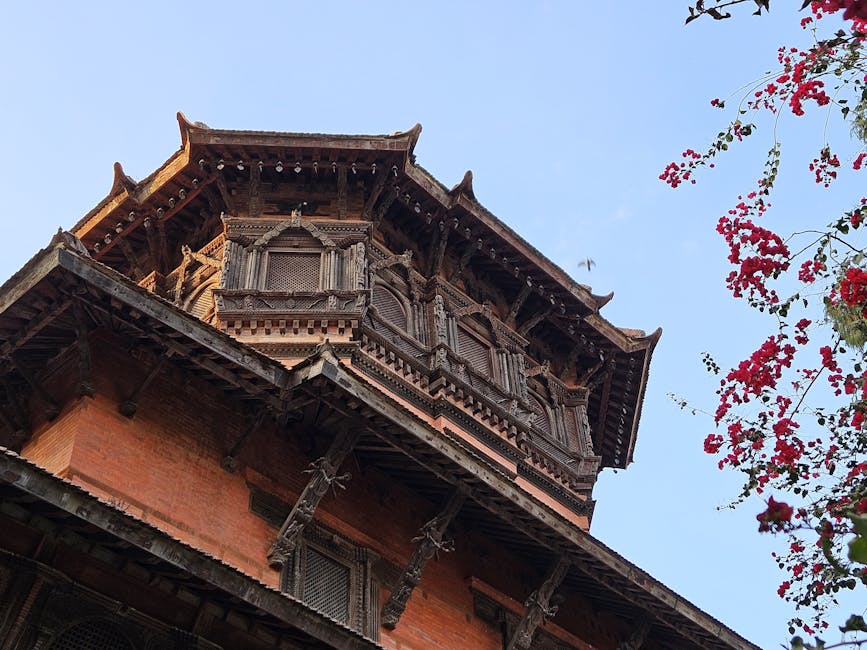
- Nepal’s new government is promising to address the concerns of Gen Z, including corruption, inequality, and climate change.
- The country’s median age of 22 makes it one of the youngest in Asia, with a new leadership seen as a test case for Gen Z’s hopes and aspirations.
- Nepal’s recent elections marked a significant shift in the country’s political landscape, with a new government committed to reform and change.
- The new government has begun implementing reforms aimed at increasing transparency and accountability in addressing Gen Z’s concerns.
- Nepal is being seen as a beacon of hope for young people worldwide who are looking for a new way of doing politics.
In recent years, youth-led protests have swept across the globe, from the streets of Hong Kong to the squares of Santiago, as Gen Z has become increasingly frustrated with the status quo. However, despite the passion and energy of these movements, many have failed to bring about meaningful change, leaving young people wondering if their voices are being heard. But in Nepal, a new government is promising to do things differently, and the world is watching. With a median age of just 22, Nepal is one of the youngest countries in Asia, and its new leadership is being seen as a test case for the hopes and aspirations of Gen Z.
A New Era for Nepal

The recent elections in Nepal marked a significant shift in the country’s political landscape, with a new government being formed that is committed to addressing the concerns of young people. The election campaign was dominated by issues such as corruption, inequality, and climate change, all of which are of major concern to Gen Z. The new government has promised to tackle these issues head-on, and has already begun to implement a range of reforms aimed at increasing transparency and accountability. As a result, Nepal is being seen as a beacon of hope for young people around the world who are looking for a new way of doing politics.
Key Players and Policies

The new government in Nepal is led by a coalition of parties that are committed to reform and change. The Prime Minister, who is just 40 years old, has spoken about the need for a new generation of leaders who are willing to challenge the status quo and think outside the box. The government has already announced a range of policies aimed at addressing the concerns of young people, including measures to increase access to education and healthcare, and to promote entrepreneurship and job creation. The government has also promised to tackle corruption and increase transparency, and has established a new agency to oversee the implementation of its reforms.
Analysis and Implications
The new government in Nepal is being closely watched by analysts and experts around the world, who are keen to see if it can deliver on its promises. Some have expressed skepticism about the government’s ability to bring about meaningful change, given the entrenched interests and power structures that exist in the country. However, others are more optimistic, pointing to the fact that the government has already begun to implement a range of reforms, and that it has a strong mandate from the electorate. The implications of the new government in Nepal are significant, not just for the country itself, but for the wider region and beyond. If the government is able to deliver on its promises, it could provide a model for other countries to follow, and could help to inspire a new generation of young leaders around the world.
A New Model for Change
The new government in Nepal is being seen as a potential model for change, not just in the region, but around the world. The government’s commitment to addressing the concerns of young people, and its willingness to think outside the box and challenge the status quo, are being seen as a breath of fresh air in a world where politics is often dominated by older, more established leaders. The government’s focus on transparency, accountability, and participation is also being seen as a key part of its appeal, and could provide a model for other countries to follow. As a result, Nepal is being watched closely by young people around the world, who are looking for a new way of doing politics and are eager to see if the new government can deliver on its promises.
Expert Perspectives
Experts are divided on the implications of the new government in Nepal, with some expressing skepticism about its ability to bring about meaningful change. “The new government in Nepal faces significant challenges, including entrenched interests and power structures that will resist reform,” said one analyst. However, others are more optimistic, pointing to the fact that the government has already begun to implement a range of reforms, and that it has a strong mandate from the electorate. “The new government in Nepal has a unique opportunity to bring about change and to inspire a new generation of young leaders around the world,” said another expert.
As the new government in Nepal continues to implement its reforms and to address the concerns of young people, the world will be watching closely to see if it can deliver on its promises. One key question is what the implications will be if the government is successful, and how it will inspire other countries to follow in its footsteps. Will the new government in Nepal provide a model for change that can be replicated around the world, or will it remain a unique exception? Only time will tell, but one thing is certain – the eyes of the world are on Nepal, and the hopes and aspirations of Gen Z are riding on its success.