- The Strait of Hormuz is a critical waterway with nearly 20% of the world’s oil supply passing through it, making any disruption a major economic concern.
- Tensions between the US and Iran have escalated, leading European leaders to take a more active role in seeking a solution to stabilize the region.
- Recent incidents of ships being seized or attacked have increased insurance costs for vessels traveling through the region, further exacerbating the crisis.
- The US decision to withdraw from the JCPOA has deteriorated relations between Iran and the West, raising concerns about the potential for further conflict.
- European leaders are under pressure to develop a comprehensive strategy for addressing the crisis and ensuring the long-term security of the Strait of Hormuz.
The Strait of Hormuz, a critical waterway connecting the Persian Gulf to the Arabian Sea, has become a focal point of international concern in recent months. With nearly 20% of the world’s oil supply passing through this narrow channel, any disruption to shipping lanes has the potential to send shockwaves through the global economy. As tensions between the US and Iran continue to escalate, European leaders have begun to take a more active role in seeking a solution, with many acknowledging the need for a coordinated effort to restore stability to the region.
Background and Context

The current situation in the Strait of Hormuz is complex and multifaceted, with a variety of factors contributing to the heightened sense of unease. In recent weeks, there have been several reported incidents of ships being seized or attacked, leading to a significant increase in insurance costs for vessels traveling through the region. Furthermore, the US decision to withdraw from the Joint Comprehensive Plan of Action (JCPOA) has led to a deterioration in relations between Iran and the West, raising concerns about the potential for further conflict. As the situation continues to unfold, European leaders are under pressure to develop a comprehensive strategy for addressing the crisis and ensuring the long-term security of the Strait.
Key Details and Developments

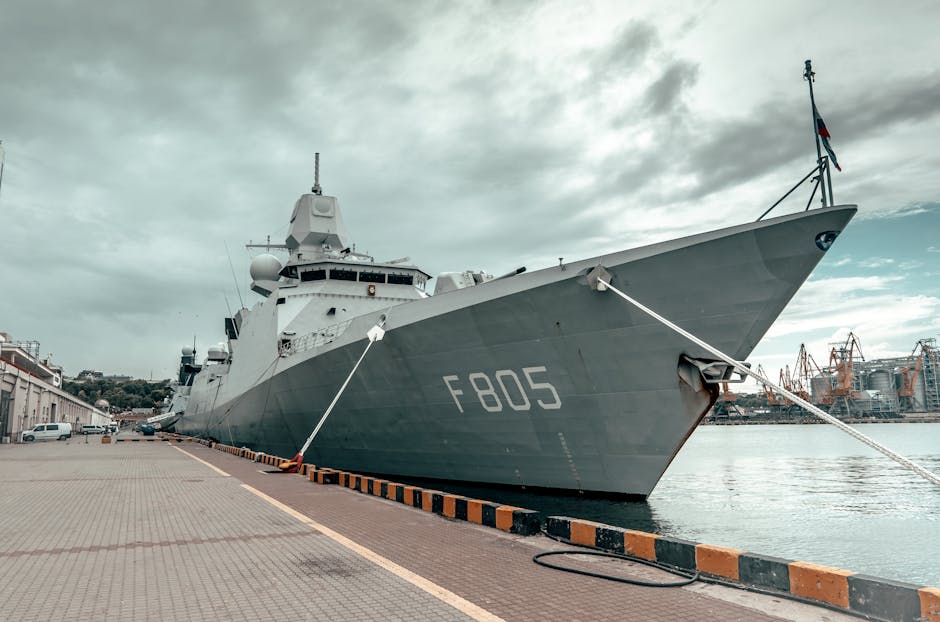
On Friday, European leaders gathered for an emergency meeting to discuss the situation in the Strait of Hormuz and coordinate a response. The meeting, which was attended by representatives from several major European nations, including the UK, France, and Germany, marked an important step towards developing a unified European position on the issue. While the details of the discussion remain unclear, it is understood that the leaders explored a range of options for enhancing security in the region, including the potential deployment of European naval assets. As the meeting drew to a close, participants emphasized the need for a collective effort to address the crisis and stabilize the region.
Analysis and Implications
From an analytical perspective, the European decision to intervene in the Strait of Hormuz reflects a growing recognition of the region’s strategic importance and the potential consequences of inaction. With the global economy increasingly dependent on stable energy supplies, any disruption to shipping lanes has the potential to have far-reaching consequences. Furthermore, the situation in the Strait of Hormuz is closely tied to the broader geopolitical dynamics of the region, with the US, Iran, and other major powers all playing important roles. As experts continue to monitor the situation, many are highlighting the need for a nuanced and multifaceted approach that takes into account the complex interplay of factors at work in the region.
Regional and Global Implications
The implications of the situation in the Strait of Hormuz are far-reaching and have the potential to affect a wide range of stakeholders. For European nations, which are heavily dependent on imported energy, a disruption to shipping lanes could have significant economic consequences. Similarly, for global markets, which are already experiencing a high degree of volatility, any increase in uncertainty or instability has the potential to exacerbate existing trends. As the situation continues to unfold, it is likely that the international community will be watching closely, seeking to minimize the risks and maximize the opportunities for cooperation and dialogue.
Expert Perspectives
According to experts, the European decision to intervene in the Strait of Hormuz reflects a growing recognition of the need for collective action in the face of emerging global challenges. While some have expressed concerns about the potential risks and complexities of such an approach, others have highlighted the importance of developing a unified and coordinated response to the crisis. As one expert noted, “The situation in the Strait of Hormuz is a classic example of a collective action problem, where individual nations have differing interests and priorities, but all share a common goal of stability and security.”
Looking to the future, it is clear that the situation in the Strait of Hormuz will remain a major focus of international attention in the coming weeks and months. As European leaders continue to develop their response to the crisis, they will be watching closely for any signs of escalation or de-escalation, seeking to minimize the risks and maximize the opportunities for cooperation and dialogue. One key question that remains to be answered is how the US will respond to the European initiative, and whether the two sides will be able to develop a coordinated and effective approach to addressing the crisis.