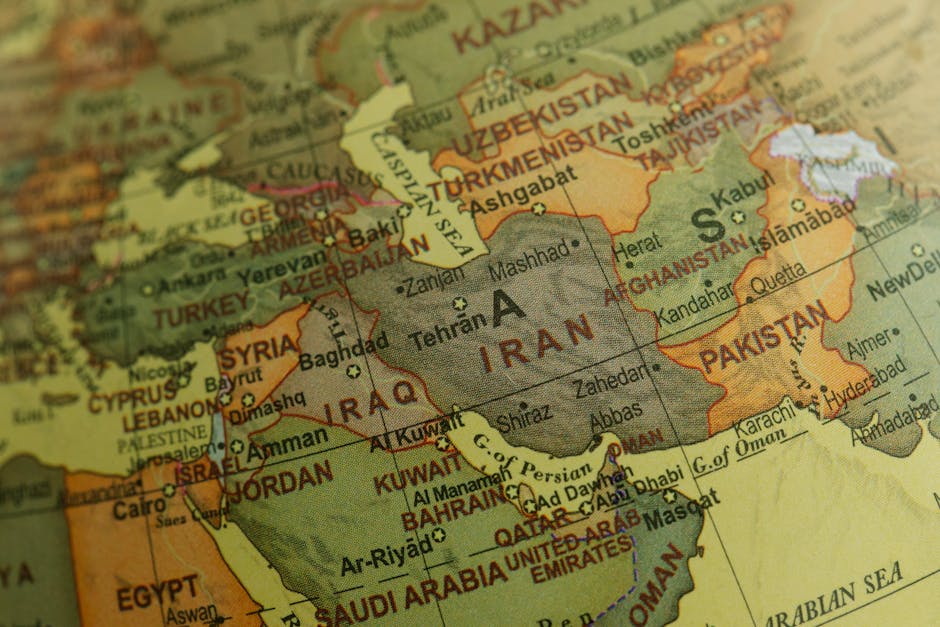
- A surprise declaration from the US and Iran has opened the Strait of Hormuz, sparking hopes for a potential peace deal.
- Escalating tensions between the two nations have raised concerns about regional stability and the global economy.
- The US withdrawal from the JCPOA in 2018 has had a devastating impact on Iran’s economy and fueled the conflict.
- Iran has taken an aggressive stance, including seizing foreign oil tankers and shooting down a US drone.
- The conflict is complicated by regional player interests, including Saudi Arabia and the UAE.
The ongoing tensions between the United States and Iran took a surprising turn recently, as both nations declared the Strait of Hormuz open, sparking hopes for a potential peace deal. This development comes after months of escalating tensions, which have raised concerns about the stability of the region and the global economy. The Strait of Hormuz, a critical waterway for international oil trade, has been at the center of the conflict, with both countries engaging in a war of words and sporadic military confrontations. Despite the positive news, conflicting messages from President Trump and Iranian leaders have raised questions about the prospects of a successful negotiation.
Background to the Conflict

The current conflict between the US and Iran has its roots in the US withdrawal from the Joint Comprehensive Plan of Action (JCPOA), also known as the Iran nuclear deal, in 2018. The move, which was followed by the reimposition of economic sanctions on Iran, has had a devastating impact on the Iranian economy. In response, Iran has taken a more aggressive stance, including the seizure of foreign oil tankers and the shooting down of a US drone. The situation has been further complicated by the involvement of other regional players, including Saudi Arabia and the United Arab Emirates, which have their own interests and agendas. As the conflict continues to unfold, the international community is watching with bated breath, hoping for a peaceful resolution that would prevent a wider war.
Key Developments in the Conflict

Recent developments have seen a significant escalation of tensions, with both countries engaging in military posturing and rhetoric. The US has deployed additional troops to the region, while Iran has threatened to close the Strait of Hormuz, which would have a catastrophic impact on global oil supplies. Despite these tensions, there have been signs of a potential thaw, with both countries declaring the Strait of Hormuz open and expressing a willingness to negotiate. The involvement of European powers, including the UK, France, and Germany, has also been seen as a positive development, as they attempt to broker a peace deal and salvage the JCPOA. However, the conflicting messages from President Trump and Iranian leaders have raised questions about the sincerity of these efforts and the prospects of a successful negotiation.
Analysis of the Conflict
Experts have pointed to a number of factors that are driving the conflict, including the geopolitical rivalry between the US and Iran, the economic interests of regional players, and the ideological differences between the two nations. The US has long been concerned about Iran’s nuclear program and its support for militant groups in the region, while Iran sees the US as a threat to its sovereignty and security. The conflict has also been driven by domestic politics, with hardliners on both sides pushing for a more aggressive stance. Despite these challenges, there are signs that a peace deal may be possible, with both countries expressing a willingness to negotiate and the international community pushing for a peaceful resolution. However, any deal would require significant concessions from both sides, including the US lifting sanctions and Iran agreeing to limits on its nuclear program.
Implications of the Conflict
The implications of the conflict are far-reaching, with the potential to impact not just the region but the global economy. A wider war would have a devastating impact on oil supplies, driving up prices and causing economic instability. The conflict is also having a humanitarian impact, with civilians caught in the crossfire and refugees fleeing the violence. The international community is watching with concern, pushing for a peaceful resolution that would prevent a wider war and promote stability in the region. As the conflict continues to unfold, it is clear that a peaceful resolution will require significant effort and diplomacy from all parties involved.
Expert Perspectives
Experts have expressed differing views on the prospects of a peace deal, with some seeing a potential opportunity for negotiation and others expressing skepticism. Some have pointed to the role of European powers in brokering a peace deal, while others see the US and Iran as too far apart to reach an agreement. Despite these differing views, there is a consensus that a peaceful resolution is essential, not just for the region but for the global economy. As one expert noted, “the stakes are high, but the potential rewards of a peace deal are significant, and it is essential that all parties involved work towards a negotiated settlement”.
Looking forward, it is clear that the conflict between the US and Iran will continue to be a major issue in international relations. As the situation continues to unfold, it will be essential to watch for signs of a potential peace deal, including any concessions from either side and the involvement of international mediators. The international community will be watching with bated breath, hoping for a peaceful resolution that would prevent a wider war and promote stability in the region. One key question that remains is whether the US and Iran can put aside their differences and work towards a negotiated settlement, or whether the conflict will continue to escalate, with devastating consequences for the region and the global economy.