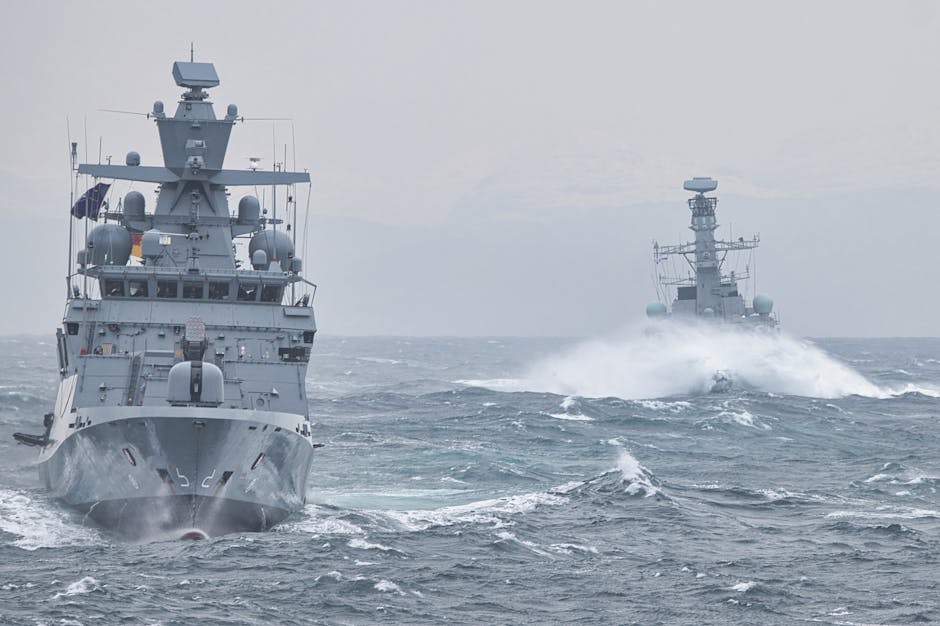
- The U.S. has the authority to blockade Iranian-linked ships worldwide, citing national security concerns and a desire to curb Iran’s nuclear ambitions.
- The blockade has historical precedent, with the U.S. employing this tactic during the Cuban Missile Crisis and the Gulf War.
- The legality of the blockade is uncertain, with experts questioning its practicality and potential impact on international relations.
- The U.S.’s move has sparked a heated debate among experts, with some arguing it’s necessary to address Iran’s nuclear threats.
- The current blockade raises questions about the U.S.’s authority to enforce such a measure in international waters.
The United States’ recent announcement to expand its naval blockade of Iranian-linked ships has sent ripples throughout the global maritime community, with many questioning the legality and practicality of such a move. According to maritime and military law experts, the U.S. has the authority to blockade Iranian-linked ships anywhere in the world, but the move raises a plethora of complex questions. With the U.S. citing national security concerns and a desire to curb Iran’s nuclear ambitions, the blockade has sparked a heated debate among experts, with some arguing that it has ample historical precedent, while others claim it sets a dangerous precedent for international relations.
Historical Precedent for Naval Blockades

The concept of naval blockades is not new, with the U.S. having employed this tactic on numerous occasions in the past. During the Cuban Missile Crisis, for example, the U.S. imposed a naval quarantine on the island nation, preventing any further Soviet missile deliveries. Similarly, during the Gulf War, the U.S. led a coalition of nations in imposing a naval blockade on Iraq, crippling the country’s ability to import and export goods. In both cases, the blockades were deemed legal under international law, as they were imposed in response to a legitimate security threat. However, the current blockade of Iranian-linked ships raises questions about the U.S.’s authority to enforce such a measure, particularly in international waters.
Key Details of the Blockade

The U.S. naval blockade of Iranian-linked ships is aimed at preventing the transport of goods and materials that could be used in Iran’s nuclear program. The blockade will be enforced by the U.S. Navy, in conjunction with other coalition partners, and will target ships suspected of carrying contraband. The U.S. has stated that it will use a combination of surveillance, intelligence gathering, and boarding operations to enforce the blockade. However, the details of how the blockade will be implemented, particularly in terms of the criteria used to identify and target suspect ships, remain unclear. This lack of transparency has raised concerns among shipping companies and other stakeholders, who fear that the blockade could disrupt global trade and lead to unintended consequences.
Analysis of the Blockade’s Implications
From a legal perspective, the U.S. naval blockade of Iranian-linked ships is complex and multifaceted. Under international law, a blockade is considered a legitimate measure of self-defense, as long as it is proportionate to the threat posed and does not cause undue harm to civilians or neutral parties. However, the U.S. must also navigate the complexities of maritime law, including the rights of ships to freedom of navigation and the requirement to provide safe passage for humanitarian goods. The blockade’s impact on global trade and the economy is also a significant concern, with some experts warning that it could lead to higher shipping costs, delays, and even shortages of critical goods. As the situation continues to unfold, it is clear that the U.S. will need to carefully balance its security concerns with the need to avoid disrupting global trade and stability.
Implications for Global Trade and Stability
The U.S. naval blockade of Iranian-linked ships has significant implications for global trade and stability. With the global economy still recovering from the COVID-19 pandemic, the last thing it needs is a major disruption to trade flows. The blockade could lead to higher shipping costs, as companies are forced to take longer routes to avoid the blockade, and delays, as ships are detained or inspected. Furthermore, the blockade could also lead to shortages of critical goods, particularly in countries that rely heavily on Iranian imports. The humanitarian implications of the blockade are also a concern, with some experts warning that it could lead to a shortage of food, medicine, and other essential supplies in Iran and other affected countries.
Expert Perspectives
Experts are divided on the implications of the U.S. naval blockade of Iranian-linked ships. Some, such as retired Admiral James Stavridis, argue that the blockade is a necessary measure to prevent Iran from developing nuclear weapons, and that it has ample historical precedent. Others, such as Professor of International Law, Mary Ellen O’Connell, argue that the blockade is a dangerous and illegal measure that sets a bad precedent for international relations. As the situation continues to unfold, it is clear that the U.S. will need to carefully consider the perspectives of experts and other stakeholders in order to navigate the complex legal and practical implications of the blockade.
Looking ahead, the key question is what the U.S. and its coalition partners will do to enforce the blockade, and how Iran and other affected countries will respond. Will the blockade lead to a major escalation of tensions, or will it ultimately succeed in preventing Iran from developing nuclear weapons? As the situation continues to unfold, one thing is clear: the U.S. naval blockade of Iranian-linked ships is a complex and multifaceted issue that will require careful consideration and nuanced analysis in the days and weeks to come. The international community will be watching closely to see how the situation develops, and what implications it may have for global trade, stability, and security.