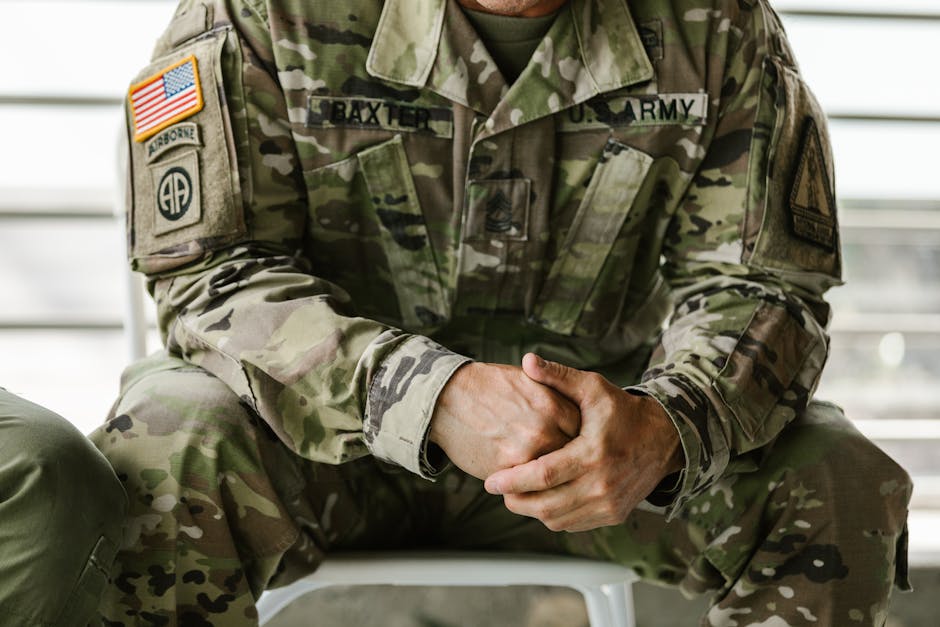
- The US Army has increased its maximum enlistment age to 42, a significant shift from the previous maximum age of 35 for active duty and 40 for reserve components.
- The decision is likely aimed at attracting more older, experienced individuals to join the army, who may bring valuable skills and life experience to the table.
- The US Army has been struggling to meet its recruitment targets in recent years, despite offering lucrative bonuses and other incentives.
- The decision may tap into a new pool of potential recruits, including older individuals looking for a career change or a new challenge.
- The impact of raising the enlistment age on the army and society as a whole remains to be seen.
The US Army has made a significant change to its enlistment standards, raising the maximum age for new recruits to 42. This move is striking, given that the previous maximum age was 35 for active duty and 40 for reserve components. The change is likely to have far-reaching implications for the military and society as a whole. With the army struggling to meet its recruitment targets in recent years, this decision may be an effort to attract more older, experienced individuals to join its ranks. The question on everyone’s mind is: what’s behind this decision, and how will it impact the army and the country?
Background and Context

The US Army has been facing significant recruitment challenges in recent years. Despite offering lucrative bonuses and other incentives, the army has struggled to attract enough new recruits to meet its targets. This is due in part to a strong economy, which has led many potential recruits to opt for civilian careers instead. Additionally, the army’s requirements for physical fitness, education, and moral character can be daunting for some potential recruits. The decision to raise the enlistment age may be an effort to tap into a new pool of potential recruits: older, more experienced individuals who may be looking for a career change or a new challenge. This could be a savvy move, given that older recruits may bring valuable skills and life experience to the table.
The Decision to Raise the Enlistment Age

The decision to raise the enlistment age to 42 is a significant one, and it’s likely to have a major impact on the army’s recruitment efforts. The move is seen as a way to attract more older, experienced individuals to join the army, particularly in areas where the army is struggling to find qualified recruits. For example, the army has faced significant challenges in recruiting enough soldiers with specialized skills, such as cybersecurity and engineering. By raising the enlistment age, the army may be able to attract more experienced professionals in these fields, who can bring their skills and expertise to the military. The decision is also seen as a way to recognize the changing demographics of the US population, with many people working and living longer than ever before.
Analysis and Implications
The decision to raise the enlistment age to 42 has significant implications for the army and society as a whole. On the one hand, it may help the army to attract more experienced, skilled recruits, which could be a major boon for the military. On the other hand, it may also raise concerns about the physical demands of military service, and whether older recruits will be able to keep up with the rigors of army life. Additionally, the decision may have implications for the army’s training programs, which may need to be adapted to accommodate older recruits. The move may also have significant social implications, as it recognizes the changing demographics of the US population and the need for people to work and contribute for longer.
Who is Affected and How
The decision to raise the enlistment age to 42 will have a major impact on a range of individuals and groups. For example, older individuals who may have previously been excluded from military service due to their age may now be eligible to join the army. This could be a major opportunity for people who are looking for a career change or a new challenge, and who may have valuable skills and experience to offer. The decision may also have implications for the army’s personnel policies, including its policies on retirement and benefits. Additionally, the move may have significant implications for society as a whole, as it recognizes the need for people to work and contribute for longer, and the importance of attracting and retaining experienced, skilled workers.
Expert Perspectives
Experts have weighed in on the decision to raise the enlistment age to 42, with some hailing it as a savvy move and others expressing concerns. Some experts argue that the move will help the army to attract more experienced, skilled recruits, which could be a major boon for the military. Others, however, have raised concerns about the physical demands of military service, and whether older recruits will be able to keep up with the rigors of army life. For example, some experts have pointed out that older recruits may be more susceptible to injury, which could have significant implications for the army’s training programs and personnel policies.
Looking ahead, it will be interesting to see how the decision to raise the enlistment age to 42 plays out. Will the move help the army to attract more experienced, skilled recruits, or will it raise concerns about the physical demands of military service? How will the army’s training programs and personnel policies need to be adapted to accommodate older recruits? These are just a few of the questions that will need to be answered in the coming months and years. One thing is certain, however: the decision to raise the enlistment age to 42 is a significant one, and it will have far-reaching implications for the military and society as a whole.