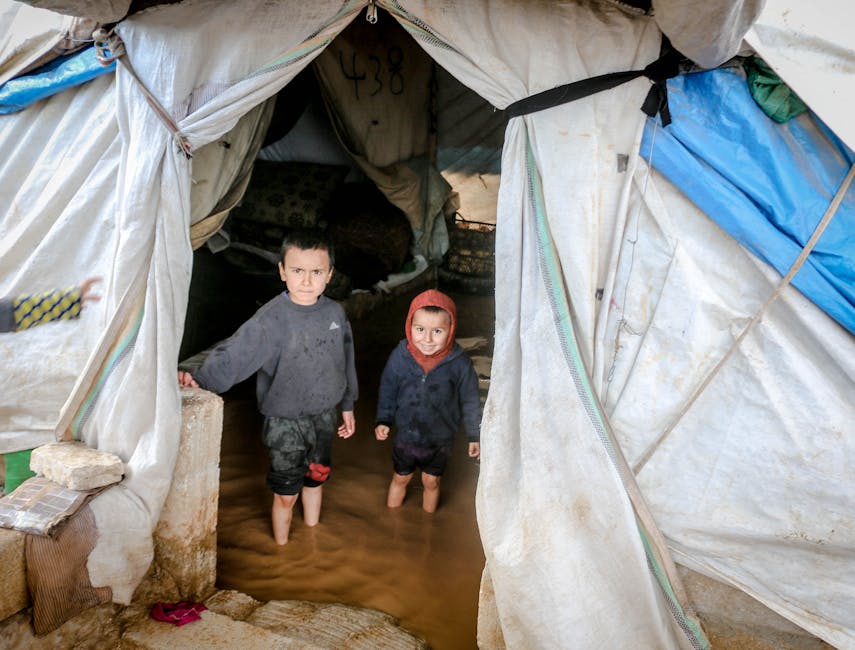
- Sudan’s three-year conflict has left 34 million people in need of aid and 21 million without access to health services.
- The humanitarian crisis in Sudan is the largest in the world, with millions struggling to survive due to disease, hunger, and violence.
- Disease outbreaks and malnutrition are rising in areas where fighting persists, while access to health services is shrinking.
- The lack of funding is exacerbating the crisis, with many aid organizations struggling to provide basic medical care.
- The conflict has forced many health workers to flee or abandon their posts, further crippling the healthcare system.
A devastating health crisis is unfolding in Sudan, where three years of conflict have left 34 million people in need of aid and 21 million without access to health services. The situation is particularly dire in areas where fighting continues, with repeated attacks on medical facilities and personnel crippling a system already weakened by disease and hunger. The humanitarian crisis is the largest in the world, with millions of Sudanese struggling to survive.
Humanitarian Crisis Deepens

Despite some improvements in certain states, the health crisis is deepening in areas where violence persists. Disease outbreaks and malnutrition are on the rise, while access to health services is shrinking. The lack of funding is exacerbating the crisis, with many aid organizations struggling to provide basic medical care to those in need. The situation is further complicated by the fact that many health workers have fled the country or been forced to abandon their posts due to the ongoing violence.
Background and Context

The conflict in Sudan has had a disproportionate impact on the country’s most vulnerable populations, including women and children. The ongoing fighting has disrupted food supplies, leading to widespread hunger and malnutrition. The collapse of the healthcare system has also led to a surge in preventable diseases, such as malaria and cholera. The international community has been slow to respond to the crisis, leaving many Sudanese without access to basic medical care.
What to Watch
As the situation in Sudan continues to deteriorate, the international community will be watching to see how the government and aid organizations respond to the deepening health crisis. The next few weeks will be critical, as the rainy season approaches and the risk of disease outbreaks increases. Donor countries will also be under pressure to provide more funding to support the humanitarian response, and to help rebuild Sudan’s shattered healthcare system. The fate of millions of Sudanese hangs in the balance, and the world will be watching to see if adequate action is taken to prevent a further catastrophe.