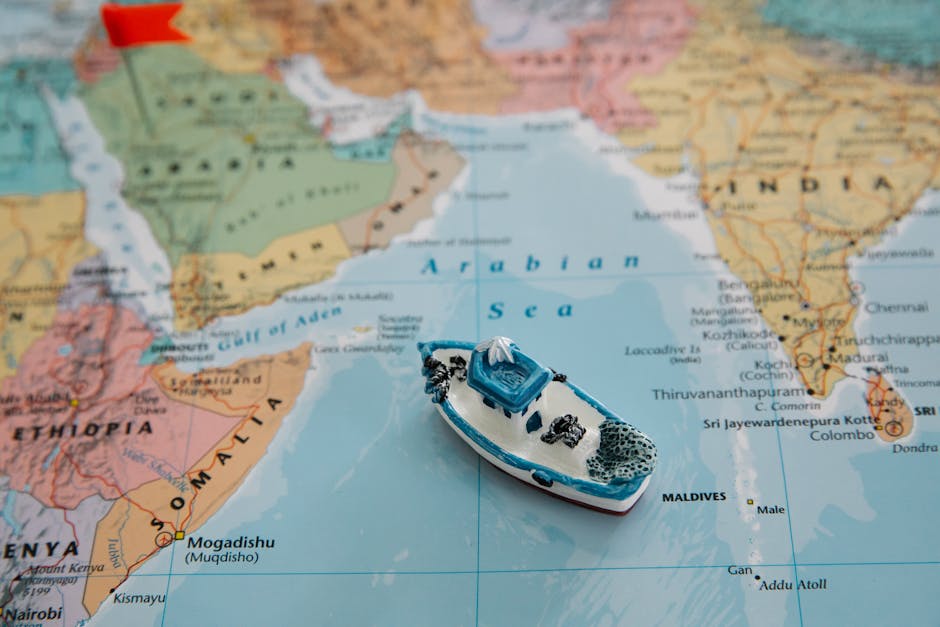
- The Strait of Hormuz has seen a 70% drop in traffic due to Iran’s sudden reversal on reopening the strait.
- The strait is a critical passage for international trade, with 20% of the world’s oil supply passing through it daily.
- The current situation has significant implications for the global economy due to concerns about oil supply disruptions.
- Several ships have come under attack while transiting the Strait of Hormuz in recent weeks.
- The Strait of Hormuz is the only sea route connecting the Persian Gulf to the open ocean.
The Strait of Hormuz, a vital waterway that connects the Persian Gulf to the Gulf of Oman, has seen a staggering 70% drop in traffic over the past week. This dramatic decline is a result of Iran’s sudden reversal on reopening the strait, which had been closed due to heightened tensions in the region. The situation has been further exacerbated by reports of ships coming under attack, leaving few vessels willing to risk the treacherous passage. As the world’s most important oil transit chokepoint, the Strait of Hormuz is a critical conduit for global energy supplies, and the current standstill has significant implications for the global economy.
The Strategic Importance of the Strait

The Strait of Hormuz is a narrow, 90-nautical-mile waterway that separates Iran from Oman, and it is the only sea route that connects the Persian Gulf to the open ocean. As such, it is a critical passage for international trade, with approximately 20% of the world’s oil supply passing through it every day. The strait’s strategic importance cannot be overstated, as it provides the primary route for oil exports from countries such as Saudi Arabia, Iraq, and the United Arab Emirates. The current situation has raised concerns about the potential disruption to global energy supplies and the impact on the world economy.
Attacks on Ships and Iran’s Involvement

In recent weeks, several ships have come under attack while transiting the Strait of Hormuz, including oil tankers and cargo vessels. These attacks have been blamed on Iran, which has denied any involvement. However, the incidents have sparked a significant escalation in tensions between Iran and the United States, as well as other Western countries. The situation has been further complicated by Iran’s reversal on reopening the strait, which had been expected to ease tensions and restore normal shipping traffic. Instead, the move has had the opposite effect, with many shipping companies and nations advising their vessels to avoid the area altogether.
Causes and Consequences of the Standstill
The current standstill in the Strait of Hormuz is the result of a complex interplay of factors, including geopolitical tensions, military actions, and economic interests. The causes of the crisis are deeply rooted in the region’s history and politics, with Iran’s nuclear program and its relations with the United States and other Western countries being major contributing factors. The consequences of the standstill are far-reaching, with potential impacts on global energy supplies, trade, and economic growth. As the situation continues to unfold, it is likely that the world will see significant volatility in oil prices, as well as potential disruptions to global supply chains.
Implications for Global Trade and Energy Supplies
The Strait of Hormuz standstill has significant implications for global trade and energy supplies. With approximately 20% of the world’s oil supply passing through the strait, any disruption to traffic has the potential to impact global energy markets. The current situation has already led to increases in oil prices, and further disruptions could have a major impact on the global economy. The standstill also has implications for global trade, as the strait is a critical passage for cargo vessels and other ships. As the situation continues to unfold, it is likely that the world will see significant impacts on global trade and economic growth.
Expert Perspectives
Experts are divided on the potential outcomes of the current situation, with some predicting a significant escalation in tensions and others expecting a negotiated resolution. According to Dr. Sanam Vakil, a Middle East expert at Chatham House, “the current situation is a classic example of a regional conflict with global implications. The standstill in the Strait of Hormuz has the potential to impact global energy supplies and trade, and it is essential that all parties involved work towards a negotiated resolution.” In contrast, other experts, such as Dr. Michael Rubin, a resident scholar at the American Enterprise Institute, believe that the situation is more complex and that a military response may be necessary to protect international shipping lanes.
As the situation in the Strait of Hormuz continues to unfold, it is clear that the world is watching with bated breath. The potential implications of the standstill are far-reaching, and it is essential that all parties involved work towards a negotiated resolution. One key question that remains to be answered is what the long-term consequences of the current situation will be, and how the world will adapt to a potentially new reality in the region. As experts and policymakers continue to monitor the situation, one thing is clear: the Strait of Hormuz will remain a critical flashpoint in global politics for the foreseeable future.