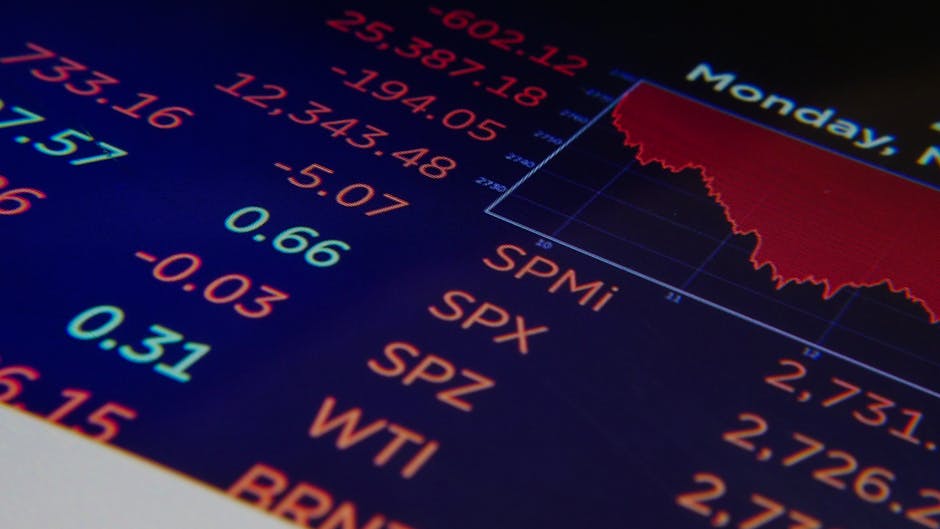
- The Iran war has led to a 10% increase in petrol prices, with experts warning of further price hikes.
- The conflict has caused a ripple effect, increasing energy bills and food prices as households feel the pinch.
- The Iran war has added to existing economic pressures, including the pandemic, supply chain disruptions, and rising inflation.
- Geopolitical tensions, market speculation, and oil market volatility are contributing factors to the escalation in cost of living.
- The Iran war involves a complex web of key players, including major oil-producing nations, global superpowers, and regional actors.
The ongoing conflict in the Middle East, particularly the Iran war, has sent shockwaves throughout the global economy, with far-reaching consequences for consumers. A striking fact is that the cost of petrol has increased by over 10% in the past quarter alone, with experts warning of further price hikes. This surge in fuel costs has a ripple effect, impacting not only motorists but also households, as energy bills and food prices rise in tandem. As the conflict shows no signs of abating, it is essential to understand how the Iran war affects your money and bills.
The Perfect Storm of Economic Pressures

The current economic landscape is fraught with challenges, and the Iran war has exacerbated existing pressures. The global economy was already grappling with the aftermath of the pandemic, supply chain disruptions, and rising inflation. The conflict in the Middle East has now added another layer of complexity, as the world’s top oil producers struggle to meet demand. This perfect storm of economic pressures has resulted in a significant increase in the cost of living, with households feeling the pinch. The reasons behind this escalation are multifaceted, involving geopolitical tensions, market speculation, and the inherent volatility of the oil market.
Key Players and Interests

The Iran war involves a complex web of key players, including major oil-producing nations, global superpowers, and regional actors. The United States, China, and the European Union are among the countries with significant stakes in the conflict, as they seek to protect their economic interests and maintain stability in the region. Meanwhile, oil-producing nations such as Saudi Arabia and Iraq are walking a tightrope, trying to balance their relationships with major powers while ensuring the continued flow of oil. The involvement of these key players has far-reaching implications, as their actions and decisions impact the global economy and, ultimately, your wallet.
Unpacking the Economic Consequences
A closer analysis of the economic consequences of the Iran war reveals a complex interplay of factors. The conflict has led to a decrease in oil production, which, in turn, has driven up prices. This increase in fuel costs has a direct impact on households, as energy bills and food prices rise. Furthermore, the conflict has also affected global trade, with supply chains disrupted and goods becoming more expensive to transport. Experts warn that the longer the conflict persists, the more pronounced these economic consequences will become, leading to a potential recession. Data from leading economic institutions suggests that the global economy is already showing signs of slowing down, with the Iran war being a significant contributing factor.
Who is Affected and How
The implications of the Iran war are far-reaching, with various groups being affected in different ways. Households, in particular, are feeling the pinch, as the cost of petrol, energy, and food continues to rise. Motorists are facing increased fuel costs, while households are struggling to pay their energy bills. The conflict is also having a disproportionate impact on low-income families, who spend a larger proportion of their income on essential goods and services. As the conflict drags on, it is essential to understand who is affected and how, to develop effective strategies for mitigating the economic fallout.
Expert Perspectives
Experts offer contrasting viewpoints on the Iran war’s impact on the economy. Some argue that the conflict is a short-term shock, and the global economy will adapt and recover. Others warn that the longer-term consequences of the conflict could be severe, leading to a prolonged recession. According to Dr. Maria Rodriguez, a leading economist, “The Iran war has the potential to be a game-changer for the global economy, with far-reaching consequences for consumers and businesses alike.” In contrast, Dr. John Taylor, a renowned expert on international relations, believes that “The conflict is a symptom of a larger problem, and addressing the underlying issues is crucial to preventing further economic instability.”
As the situation continues to unfold, it is essential to keep a close eye on developments in the Middle East and their impact on the global economy. The question on everyone’s mind is: what’s next? Will the conflict escalate, or will diplomatic efforts lead to a resolution? One thing is certain – the Iran war’s effects on your money and bills will be felt for a long time to come. As consumers, it is crucial to be aware of the economic landscape and take steps to mitigate the impact of the conflict on our finances. By staying informed and planning ahead, we can navigate these uncertain times and ensure a more stable financial future.