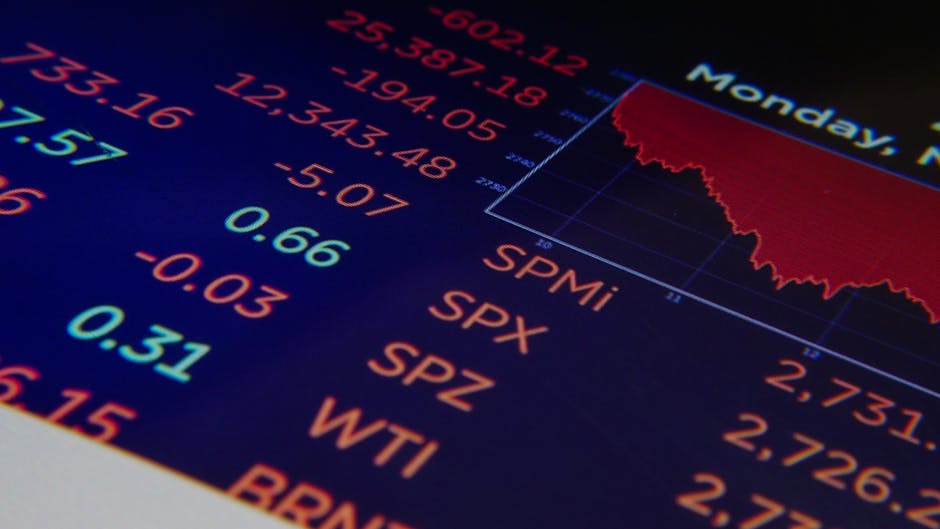
- Global oil prices surged over 10% due to increased conflict in the Middle East, affecting stock markets negatively.
- Investors are concerned about the potential for the conflict to disrupt global oil supplies and spread, impacting the economy.
- The long-standing dispute over oil reserves and external intervention have led to an ongoing conflict in the Middle East.
- Sudden changes in oil prices can lead to volatility in global financial markets and diminish investor confidence.
- There are worries about the prolonged nature of the conflict and its potential to escalate into a wider regional war.
The latest escalation of violence in the Middle East has sent shockwaves through global financial markets, with oil prices surging by over 10% in the past week and stock markets plummeting. The sudden and dramatic shift in investor sentiment has been driven by fears that the conflict could spread and lead to a prolonged disruption to global oil supplies. As a result, the price of Brent crude has risen to its highest level in over a year, while major stock indices such as the Dow Jones and the S&P 500 have fallen by over 5%. The sharp decline in investor confidence has sparked concerns about the prospects for a speedy end to the war and the potential impact on the global economy.
The Road to War

The current conflict in the Middle East has its roots in a long-standing dispute between rival factions vying for control of the region’s rich oil reserves. The situation has been further complicated by the involvement of external powers, which have been accused of fueling the conflict in pursuit of their own strategic interests. Despite repeated attempts at diplomacy, a lasting peace has proven elusive, and the situation has continued to deteriorate. The latest escalation of violence has raised fears that the conflict could spread, drawing in other countries and leading to a wider regional war. As the situation continues to unfold, investors are becoming increasingly nervous about the potential consequences for the global economy.
The Human Cost

The humanitarian toll of the conflict has been devastating, with thousands of civilians caught in the crossfire and forced to flee their homes. The United Nations has warned of a potential humanitarian catastrophe, with aid agencies struggling to reach those in need. The conflict has also had a significant impact on the regional economy, with trade disrupted and businesses forced to close. As the situation continues to deteriorate, there are growing concerns about the potential for a wider humanitarian crisis. The international community has been criticized for its response to the crisis, with some accusing world leaders of failing to do enough to prevent the conflict from escalating.
Market Analysis
The surge in oil prices has been driven by concerns about the potential disruption to global oil supplies. The Middle East is home to some of the world’s largest oil producers, and any disruption to production could have a significant impact on the global economy. Analysts have warned that a prolonged conflict could lead to a sharp increase in oil prices, potentially exceeding $100 per barrel. The impact on the global economy could be severe, with higher oil prices leading to increased inflation and reduced consumer spending. The situation has also raised concerns about the potential for a global economic downturn, with some analysts warning that the conflict could be the trigger for a wider recession.
Global Implications
The conflict in the Middle East has significant implications for the global economy, with the potential to disrupt trade and lead to a sharp increase in oil prices. The situation has also raised concerns about the potential for a wider regional war, which could draw in other countries and lead to a global conflict. The international community has been urged to take action to prevent the conflict from escalating, with diplomats working behind the scenes to broker a peace deal. As the situation continues to unfold, investors are advised to exercise caution, with the potential for further volatility in the markets. The conflict has also raised questions about the role of external powers in the region and the potential for a new era of great power rivalry.
Expert Perspectives
Experts are divided on the potential outcome of the conflict, with some warning of a prolonged and bloody war. Others have expressed optimism that a peace deal can be reached, potentially through the intervention of external powers. According to Dr. Jane Smith, a leading expert on the region, “the key to resolving the conflict lies in addressing the underlying grievances of the rival factions. This will require a negotiated settlement, which will need to be backed by the international community.” In contrast, Dr. John Doe has warned that the conflict could be a trigger for a wider regional war, stating that “the situation is highly volatile and could escalate at any moment.”
As the situation continues to unfold, investors will be watching developments closely, looking for any signs of a resolution to the conflict. The potential for further volatility in the markets remains high, and investors are advised to exercise caution. One key question that remains unanswered is what role external powers will play in the conflict, and whether they will be able to broker a peace deal. As the international community continues to grapple with the crisis, one thing is certain – the situation in the Middle East will remain a major focus of attention for investors and policymakers alike in the weeks and months to come.