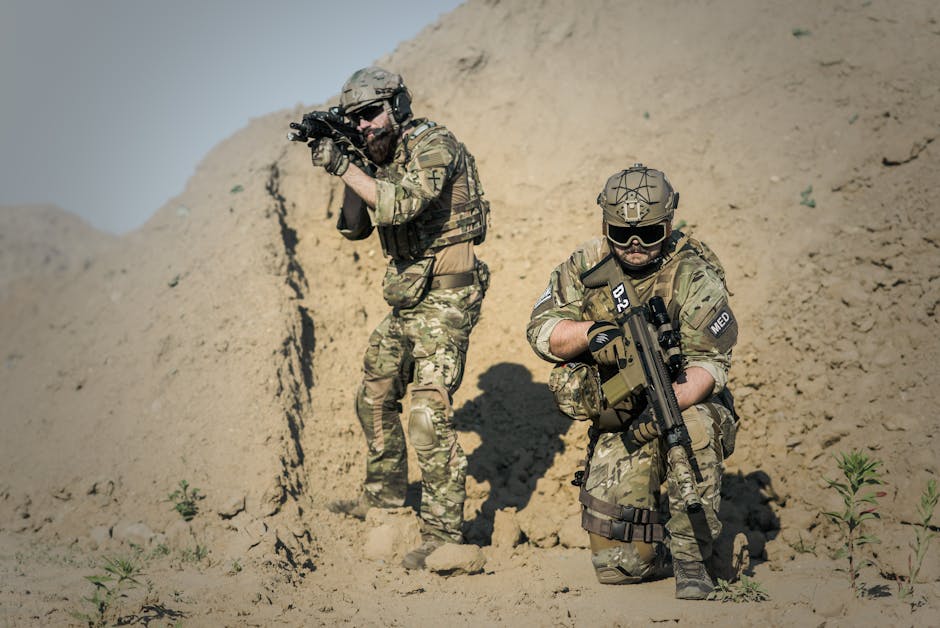
- Global conflict has reached a record high, with a 25% increase in conflict zones and thousands of civilian casualties.
- Escalating tensions between major world powers have led to a resurgence of nationalist sentiment and decreased international cooperation.
- The spread of extremist ideologies and proliferation of advanced weaponry have created an environment for conflicts to quickly escalate and spread.
- The humanitarian impact of the conflict is being felt, with communities struggling to access basic necessities like food, water, and shelter.
- Effective diplomacy and conflict resolution are more pressing than ever, but the consequences of inaction are stark and far-reaching.
The world is witnessing a disturbing surge in global conflict, with a record number of violent clashes and geopolitical tensions reported in the past year. According to recent data, the number of conflict zones has increased by 25%, resulting in thousands of civilian casualties and displaced persons. This alarming trend has sparked widespread concern among international leaders, who are scrambling to respond to the crisis and prevent further escalation. The humanitarian impact is already being felt, with many communities struggling to access basic necessities like food, water, and shelter. As the situation continues to deteriorate, the need for effective diplomacy and conflict resolution has never been more pressing.
Escalating Tensions

The current wave of global conflict is complex and multifaceted, with various factors contributing to the rise in violence and tensions. One key driver is the increasing rivalry between major world powers, which has led to a resurgence of nationalist sentiment and a decrease in international cooperation. Additionally, the spread of extremist ideologies and the proliferation of advanced weaponry have created an environment in which conflicts can quickly escalate and spread. The consequences of inaction are stark, with the potential for widespread instability, economic disruption, and human suffering. As the international community struggles to respond to the crisis, it is clear that a comprehensive and sustained effort will be required to address the root causes of conflict and promote lasting peace.
Key Hotspots

Several regions are currently experiencing high levels of conflict, including the Middle East, Africa, and Eastern Europe. In the Middle East, the ongoing struggle against extremist groups has led to a significant increase in violence, with many civilians caught in the crossfire. In Africa, long-standing ethnic and territorial disputes have erupted into full-blown conflict, resulting in massive displacement and human suffering. Meanwhile, in Eastern Europe, the conflict in Ukraine continues to simmer, with periodic outbreaks of violence and a deepening diplomatic rift between Russia and the West. The international community is working to respond to these crises, but the complexity and severity of the conflicts pose significant challenges.
Causes and Consequences
Experts point to a range of factors as contributing to the surge in global conflict, including economic inequality, social unrest, and environmental degradation. The consequences of conflict are far-reaching, with significant impacts on global economic stability, public health, and human well-being. According to recent research, the economic costs of conflict are staggering, with estimates suggesting that the global economy loses billions of dollars each year due to violence and instability. Furthermore, the human toll is immeasurable, with countless lives lost, families displaced, and communities torn apart. As the international community seeks to address the crisis, it is clear that a nuanced understanding of the complex causes and consequences of conflict will be essential.
Humanitarian Implications
The humanitarian implications of the surge in global conflict are profound, with millions of people affected by violence, displacement, and poverty. The United Nations and other humanitarian organizations are working to respond to the crisis, but the scale of the need is overwhelming. Food, water, shelter, and medical care are in short supply, and many communities are struggling to access even the most basic necessities. The international community must come together to support those affected by conflict, providing emergency aid, promoting sustainable development, and working towards lasting peace and stability. The fate of countless individuals and communities hangs in the balance, and the need for collective action has never been more urgent.
Expert Perspectives
Experts are divided on the best approach to addressing the surge in global conflict, with some advocating for increased military intervention and others pushing for diplomacy and dialogue. According to one prominent analyst, “the international community must take a firm stance against aggression and violence, while also working to address the underlying causes of conflict.” Others argue that a more nuanced approach is required, one that takes into account the complex cultural, historical, and economic factors driving the conflicts. As the debate continues, one thing is clear: the need for effective leadership, diplomacy, and cooperation has never been more pressing.
Looking to the future, the international community faces a daunting challenge in addressing the surge in global conflict. As the situation continues to evolve, it is essential to remain vigilant, adapt to changing circumstances, and work towards a more peaceful and stable world. The open question is whether the international community can come together to address the crisis, or whether the forces of conflict and division will prevail. One thing is certain: the fate of generations to come hangs in the balance, and the need for collective action has never been more urgent.