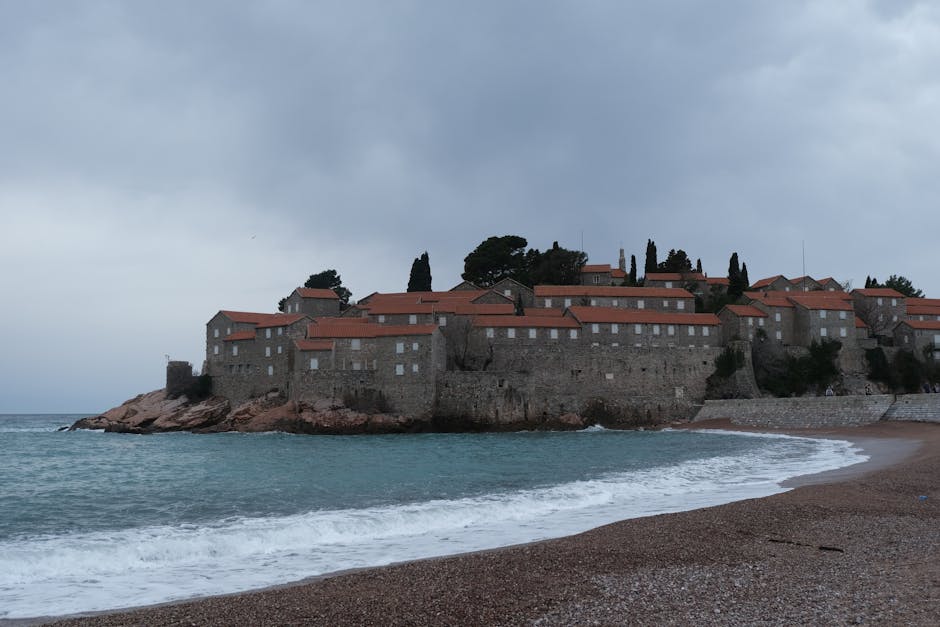
- European travel has seen a 15% surge in 2026, with British holidaymakers opting for alternative destinations in Eastern Europe.
- Montenegro is emerging as a top contender for those looking for a more affordable vacation experience, with bookings increasing by over 20% in the past year.
- The Balkan region is experiencing a surge in popularity, driven by demand for unique and authentic travel experiences.
- Visiting countries like Montenegro or Albania can cost up to 50% less than a similar vacation in Croatia, making them an attractive option for budget-conscious travelers.
- The region’s rich cultural heritage offers a wealth of opportunities for exploration and discovery, including historic cities, monasteries, and traditional festivals.
As the summer of 2026 approaches, British holidaymakers are turning their attention to alternative destinations in Eastern Europe, seeking to avoid the crowds and high prices of traditional hotspots like Croatia. With its stunning coastline, rich history, and vibrant culture, Montenegro is emerging as a top contender for those looking for a more affordable and off-the-beaten-path vacation experience. In fact, according to recent data, bookings to Montenegro have increased by over 20% in the past year alone, with many travelers drawn to its picturesque towns, pristine beaches, and breathtaking mountain scenery.
The Rise of the Balkans

The Balkan region as a whole is experiencing a surge in popularity, with countries like Albania, Bosnia and Herzegovina, and North Macedonia also seeing significant increases in tourism. This trend is driven in part by the growing demand for unique and authentic travel experiences, as well as the relatively low costs of visiting these destinations. For example, a week-long trip to Montenegro or Albania can cost up to 50% less than a similar vacation in Croatia, making them an attractive option for budget-conscious travelers. Furthermore, the region’s rich cultural heritage, including its historic cities, monasteries, and traditional festivals, offers a wealth of opportunities for exploration and discovery.
Discovering Hidden Gems

One of the key factors driving the growth of tourism in Montenegro and Albania is the discovery of hidden gems and undiscovered destinations. From the stunning Bay of Kotor in Montenegro to the ancient city of Butrint in Albania, there are countless treasures waiting to be explored. Additionally, the region’s vibrant capitals, such as Podgorica and Tirana, offer a unique blend of traditional and modern culture, with a thriving food and nightlife scene. As travelers become more adventurous and seek out new experiences, these destinations are poised to become the next big thing in European travel. For instance, the town of Ulcinj in Montenegro, with its well-preserved old town and beautiful beaches, is rapidly becoming a favorite among travelers looking for a relaxing and authentic vacation experience.
Analysis and Insights
So what’s behind the sudden surge in interest in these destinations? According to travel industry experts, it’s a combination of factors, including the increasing popularity of experiential travel, the growing demand for affordable and sustainable tourism, and the rising awareness of the region’s unique cultural and natural heritage. Additionally, the development of new infrastructure, such as airports and highways, is making it easier for travelers to access these destinations. As a result, Montenegro and Albania are well-positioned to capitalize on the trend towards more responsible and immersive travel experiences. For example, the Montenegrin government has launched initiatives to promote sustainable tourism, including the development of eco-lodges and environmentally-friendly tour operators.
Implications and Opportunities
The growth of tourism in Montenegro and Albania is likely to have significant implications for the local economies and communities. On the one hand, the influx of visitors will bring much-needed revenue and create new job opportunities, helping to boost economic development and reduce poverty. On the other hand, there are concerns about the potential impact of mass tourism on the region’s fragile environment and cultural heritage. As such, it’s essential for travelers to be mindful of their footprint and support local initiatives that promote sustainable and responsible tourism practices. For instance, visitors can choose to stay in locally-owned accommodations, eat at traditional restaurants, and participate in eco-friendly activities, such as hiking and birdwatching.
Expert Perspectives
Travel experts and industry insiders are weighing in on the trend, with some predicting that Montenegro and Albania will become the next Croatia or Greece. “These destinations offer a unique combination of natural beauty, rich culture, and affordability, making them an attractive option for travelers looking for a more authentic experience,” says one expert. Others, however, are cautioning against the dangers of over-tourism, emphasizing the need for sustainable and responsible travel practices to ensure the long-term viability of these destinations. As Dr. Maria Slade, a tourism expert at the University of Cambridge, notes, “The key to successful tourism development is to strike a balance between economic growth and environmental protection, while also respecting the local culture and community.”
As the travel landscape continues to evolve, one thing is certain: Montenegro, Albania, and other emerging destinations in Eastern Europe are poised to play a major role in shaping the future of tourism. With their unique blend of natural beauty, cultural heritage, and affordability, these countries are likely to attract an increasing number of visitors in the years to come. As travelers, it’s up to us to ensure that our presence has a positive impact on the local communities and environments, and to support initiatives that promote sustainable and responsible tourism practices. By doing so, we can help preserve the beauty and charm of these destinations for generations to come, while also contributing to the local economy and promoting cross-cultural understanding.