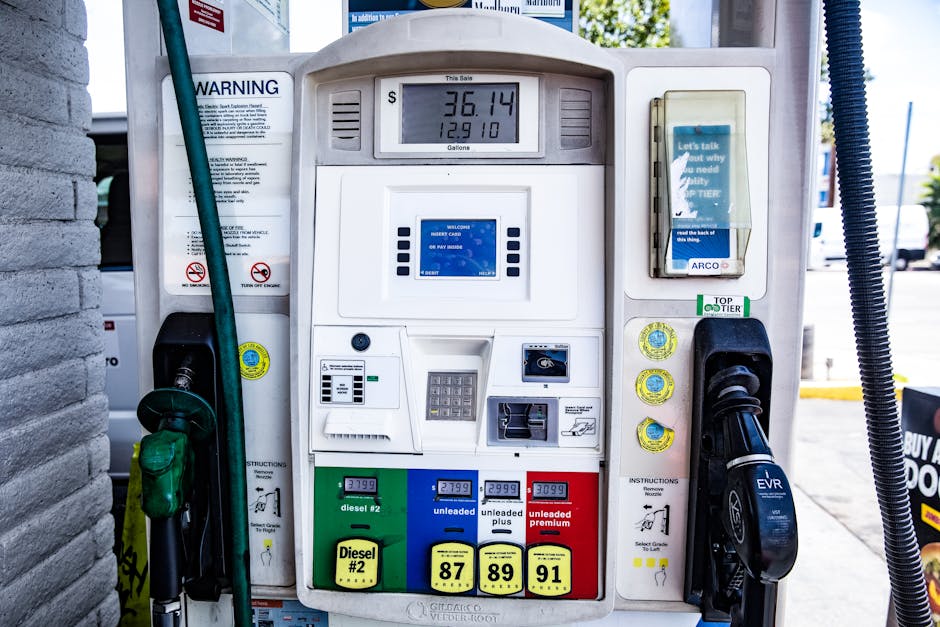
- Energy Secretary Chris Wright predicts gas prices will remain above $3 until 2027, contradicting earlier assurances.
- High gas prices are causing economic and household concerns, with the national average already surpassing $3.
- Geopolitical tensions, supply chain disruptions, and increased global demand are driving up gas prices.
- The prediction suggests that current factors affecting the oil market will persist, making price relief uncertain.
- The statement has raised questions about the government’s ability to mitigate the impact of high gas prices.
The American public has been grappling with soaring gas prices, and a recent statement from Energy Secretary Chris Wright has brought little comfort. In a televised interview, Wright acknowledged that gas prices may stay above $3 until 2027, a stark contradiction to President Trump’s earlier assurance that the price hikes would be “short-term.” This revelation has sparked concern among consumers and economists alike, as the prolonged increase in gas prices is expected to have far-reaching consequences on the economy and individual households. With the national average for gas prices already surpassing the $3 mark, Wright’s statement has raised questions about the government’s ability to mitigate the issue and provide relief to those affected.
The Current State of Gas Prices

The Energy Secretary’s statement comes at a time when gas prices have been consistently high, with some areas experiencing even more drastic increases. The reasons behind this surge are multifaceted, involving a combination of geopolitical tensions, supply chain disruptions, and increased demand. As the global economy continues to recover from the pandemic, the demand for oil has risen, putting pressure on prices. Furthermore, the ongoing conflicts in major oil-producing regions have led to concerns about supply stability, contributing to the upward trend in gas prices. With Wright’s prediction, it is clear that these factors will continue to influence the market, making it challenging for prices to decrease in the near future.
Key Factors and Players

The situation is complex, involving various stakeholders and factors. The Organization of the Petroleum Exporting Countries (OPEC) plays a significant role in determining global oil prices, and their decisions on production levels can significantly impact the market. Additionally, the actions of major oil-producing countries, such as Saudi Arabia and Russia, can influence prices. On the domestic front, the Biden administration’s energy policies, including those related to drilling and pipeline construction, can also affect gas prices. The Energy Secretary’s statement highlights the challenges faced by the administration in balancing energy policy with economic and environmental considerations, underscoring the need for a comprehensive approach to address the issue.
Analysis and Projections
Experts analyze the causes and effects of the gas price surge, pointing to a combination of short-term and long-term factors. The short-term increase in demand, coupled with supply disruptions, has driven prices up. However, long-term factors such as the transition to renewable energy sources and investments in energy infrastructure will also play a crucial role in determining future prices. Data from the Energy Information Administration (EIA) suggests that gas prices are likely to remain volatile, with prices potentially increasing further due to seasonal demand and geopolitical events. The Energy Secretary’s prediction of prices staying above $3 until 2027 is based on these projections, emphasizing the need for consumers and policymakers to prepare for a prolonged period of high gas prices.
Implications and Consequences
The implications of sustained high gas prices are far-reaching, affecting not only individual consumers but also the broader economy. Higher gas prices can lead to increased transportation costs, which can, in turn, drive up the prices of goods and services. This can have a disproportionate impact on low-income households, who spend a larger proportion of their income on energy and transportation. Furthermore, high gas prices can also affect businesses, particularly those in the transportation and logistics sectors, potentially leading to job losses and reduced economic activity. As the Energy Secretary’s statement suggests, the prolonged nature of the price increase means that these consequences will be felt for an extended period, necessitating a comprehensive response from policymakers.
Expert Perspectives
Experts in the field offer contrasting viewpoints on the issue, with some arguing that the government can do more to address the price surge. Others contend that the market forces are beyond the control of policymakers, and the focus should be on promoting energy efficiency and transitioning to renewable energy sources. According to Dr. Sarah Johnson, an energy economist, “The key to mitigating the effects of high gas prices is to invest in energy infrastructure and promote fuel-efficient technologies.” In contrast, Dr. Michael Davis, an oil industry analyst, believes that “the market will correct itself over time, and the focus should be on ensuring a stable supply of oil to meet growing demand.” These differing perspectives highlight the complexity of the issue and the need for a nuanced approach to address the challenges posed by high gas prices.
Looking ahead, the situation remains uncertain, with many factors that can influence gas prices. As the global economy continues to evolve, and geopolitical events unfold, it is crucial to monitor the situation closely. The Energy Secretary’s statement serves as a reminder of the need for vigilance and preparedness, both for consumers and policymakers. As the country navigates this challenging period, one question remains: what measures can be taken to mitigate the effects of high gas prices and ensure a stable energy future? The answer will depend on a combination of factors, including government policy, market forces, and the actions of individual consumers, making it essential to stay informed and adapt to the changing landscape.