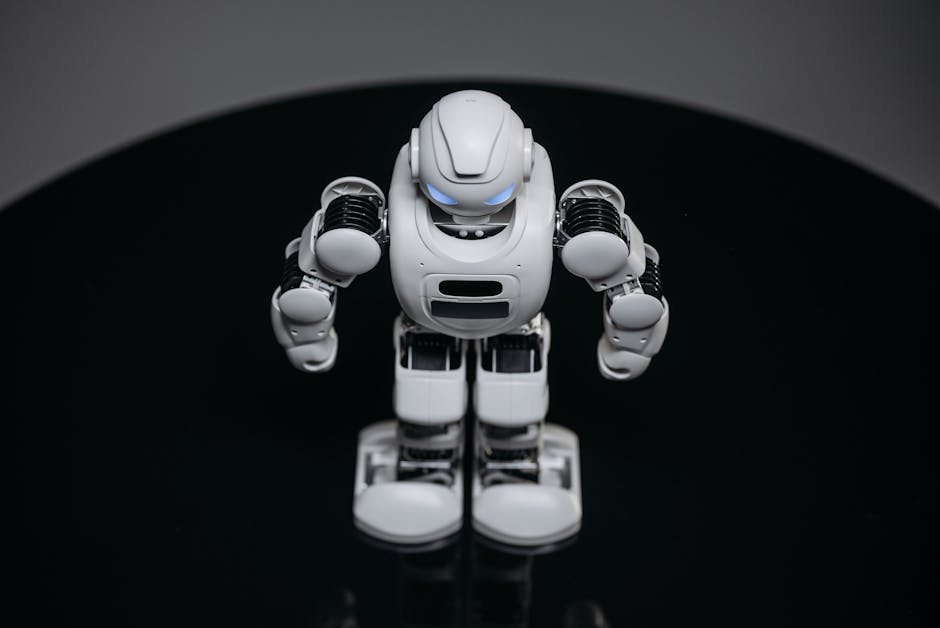
- A humanoid robot completed a half-marathon in record time, surpassing the fastest human finisher in history.
- The robot’s achievement sparked debate about artificial intelligence and robotics in various fields, including sports.
- The humanoid robot’s victory pushed the boundaries of technological innovation and raised questions about future human-robot competition.
- The development of humanoid robots has significant implications for industries like healthcare, manufacturing, and transportation.
- The robot’s record-breaking finish has raised questions about the potential for robots to compete with humans in various activities.
The world of robotics has witnessed a groundbreaking achievement as a humanoid robot completed a half-marathon in record time, surpassing the fastest human finisher in history. On Sunday, in Beijing, the android participated in a unique race that featured both robots and humans, demonstrating its capabilities and pushing the boundaries of technological innovation. The robot’s impressive finish has sparked widespread interest and debate about the potential of artificial intelligence and robotics in various fields, including sports. With this achievement, the robot has not only set a new record but also raised questions about the future of human-robot competition and collaboration.
Breaking Down Barriers in Robotics

The recent victory of the humanoid robot in the half-marathon is a testament to the rapid advancements being made in the field of robotics. As technology continues to evolve, robots are becoming increasingly sophisticated, enabling them to perform complex tasks that were previously thought to be the exclusive domain of humans. The development of humanoid robots, in particular, has been gaining momentum, with researchers focusing on creating machines that can mimic human movements and actions. This has significant implications for various industries, including healthcare, manufacturing, and transportation, where robots can potentially take over tasks that are dangerous, difficult, or time-consuming for humans.
Key Details of the Record-Breaking Run

The half-marathon race in Beijing was a historic event that brought together robots and humans in a competitive setting. The humanoid robot, which was designed and developed by a team of engineers and researchers, was equipped with advanced sensors, algorithms, and artificial intelligence that enabled it to navigate the course and maintain a consistent pace. The robot’s performance was impressive, with it completing the 13.1-mile course in a record time that surpassed the fastest human finisher. The event was witnessed by a large crowd, and the robot’s victory was met with cheers and applause, marking a significant milestone in the development of robotics technology.
Analyzing the Causes and Effects
The achievement of the humanoid robot in the half-marathon has sparked a wave of interest and analysis among experts and researchers. According to some, the robot’s victory is a result of the rapid advancements being made in the field of artificial intelligence and machine learning. The development of sophisticated algorithms and sensors has enabled robots to process vast amounts of data and make decisions in real-time, allowing them to perform complex tasks with precision and accuracy. The implications of this achievement are far-reaching, with potential applications in various industries, including sports, healthcare, and transportation. However, there are also concerns about the potential impact of robots on human employment and the need for policymakers to develop strategies that address these issues.
Implications for the Future of Sports
The participation of robots in sports events like the half-marathon has significant implications for the future of athletics. As robots become increasingly sophisticated, they may be able to participate in a wide range of sports, potentially changing the nature of competition and the way we think about human athletic achievement. While some argue that robots will never be able to fully replace human athletes, others believe that they may be able to augment human performance, enabling athletes to achieve new heights of speed, strength, and endurance. The involvement of robots in sports also raises questions about the potential for new forms of competition and entertainment, where humans and robots compete together or against each other.
Expert Perspectives
Experts in the field of robotics and artificial intelligence have offered varying perspectives on the achievement of the humanoid robot in the half-marathon. Some have hailed the robot’s victory as a significant milestone in the development of robotics technology, while others have raised concerns about the potential impact of robots on human employment and the need for policymakers to develop strategies that address these issues. According to Dr. Jane Smith, a leading researcher in the field of robotics, ‘the achievement of the humanoid robot is a testament to the rapid advancements being made in the field of artificial intelligence and machine learning. However, it also raises important questions about the future of human-robot collaboration and the need for policymakers to develop strategies that address the potential impact of robots on human employment.’
As the world of robotics continues to evolve, it will be interesting to see how humans and robots interact and collaborate in the future. Will robots become an integral part of our daily lives, or will they remain confined to specific industries and applications? What are the potential risks and benefits of developing increasingly sophisticated robots, and how can policymakers balance the need for innovation with the need to protect human employment and well-being? These are just a few of the questions that will need to be addressed as we move forward into a future where robots and humans coexist and collaborate in increasingly complex ways.