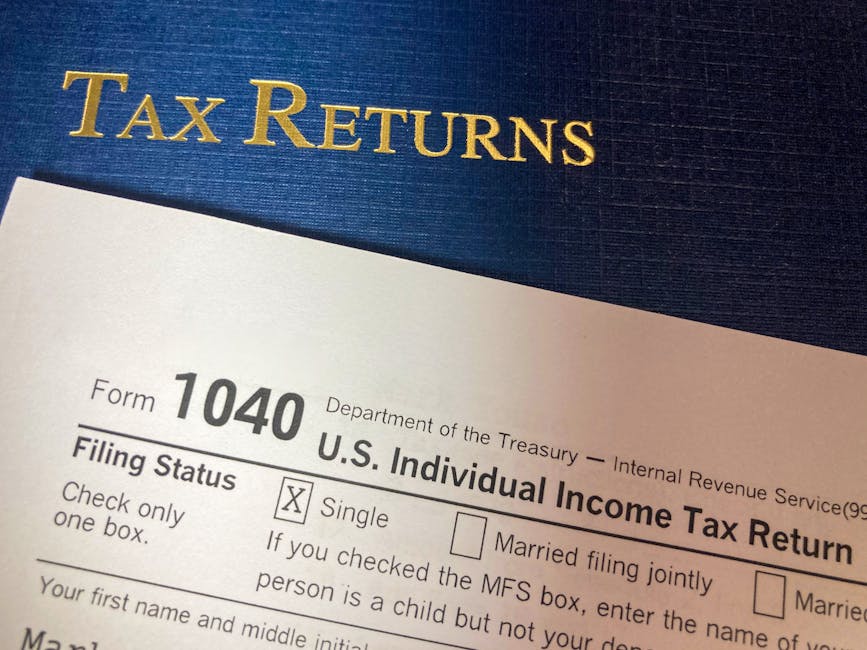
- Donald Trump’s tax returns are at the center of a lawsuit over the limits of presidential power and tax transparency.
- Trump has refused to provide his tax returns to Congress, sparking controversy and debate over the role of the executive branch.
- The IRS is caught in the middle of the conflict, with competing demands from the executive and legislative branches.
- The Justice Department’s lack of response to the president’s suit has created a power vacuum and uncertainty among lawmakers and the public.
- The lawsuit has significant implications for the ongoing debate over tax transparency and the balance of power in the US government.
The president of the United States, Donald Trump, is seeking an extension in a lawsuit against the Internal Revenue Service (IRS) over the release of his tax returns, a move that has sparked controversy and raised questions about the limits of presidential power. According to recent filings, Trump’s legal team has requested more time to prepare their case, citing the complexity of the issue and the need for additional documentation. This development has significant implications for the ongoing debate about tax transparency and the role of the executive branch in shaping policy.
Background and Context

The lawsuit in question is a response to a congressional request for Trump’s tax returns, which the president has refused to provide. The IRS has been caught in the middle, with the agency’s lawyers facing a conflict of interest as they navigate the competing demands of the executive and legislative branches. The situation is further complicated by the fact that the Justice Department, which is responsible for representing the government in court, has not yet responded to the president’s suit. This has created a power vacuum, with no clear direction on how to proceed and a growing sense of uncertainty among lawmakers and the public.
The Lawsuit and Its Key Players

The lawsuit itself is a fascinating case study in the tensions between the branches of government and the limits of presidential authority. At its core, the suit is a challenge to the IRS’s decision to withhold Trump’s tax returns from congressional investigators, who are seeking to understand the president’s financial dealings and potential conflicts of interest. The key players in the case include Trump’s legal team, the IRS, and the Justice Department, each of which has its own interests and motivations. As the case unfolds, it will be important to watch how these different actors navigate the complex web of alliances and rivalries that define Washington politics.
Analysis and Implications
From a broader perspective, the lawsuit against the IRS is a symptom of a larger disease – the erosion of trust in institutions and the growing sense of polarization that characterizes American politics. The fact that the president is seeking to withhold his tax returns from public scrutiny has raised questions about his commitment to transparency and accountability, and has fueled speculation about potential wrongdoing. As the case moves forward, it will be important to consider the potential implications for the economy and the financial markets, where uncertainty and instability can have significant consequences. According to some experts, the lawsuit could have far-reaching effects on the way that tax policy is made and enforced, with potential ripple effects for businesses and individuals alike.
Consequences and Fallout
The consequences of the lawsuit are far-reaching and could have significant implications for a wide range of stakeholders. For example, if the president is successful in withholding his tax returns, it could set a dangerous precedent for future executives and undermine the ability of congressional investigators to conduct oversight. On the other hand, if the IRS is forced to release the tax returns, it could lead to a major scandal and potentially even impeachment proceedings. As the case unfolds, it will be important to watch how different groups respond to the developments, including lawmakers, business leaders, and the general public.
Expert Perspectives
Experts are divided on the implications of the lawsuit and the potential consequences for the economy and the financial markets. Some argue that the case is a straightforward matter of tax law and that the president’s efforts to withhold his returns are unjustified. Others see the lawsuit as a symptom of a larger problem – the growing polarization of American politics and the erosion of trust in institutions. According to one expert, the case has the potential to ‘upend the entire system of tax enforcement and create a new era of secrecy and opacity.’ Others are more sanguine, arguing that the lawsuit is a minor blip on the radar and that the economy will continue to grow regardless of the outcome.
As the case moves forward, it will be important to watch how the different stakeholders respond to the developments and to consider the potential implications for the future of tax policy and enforcement. One key question is what the outcome of the lawsuit will mean for the ability of congressional investigators to conduct oversight and hold the executive branch accountable. Another is how the case will affect the public’s perception of the president and the IRS, and whether it will lead to greater transparency and accountability in the long run. As one expert noted, ‘the outcome of this case will have far-reaching consequences for the economy, the financial markets, and the future of American democracy.’