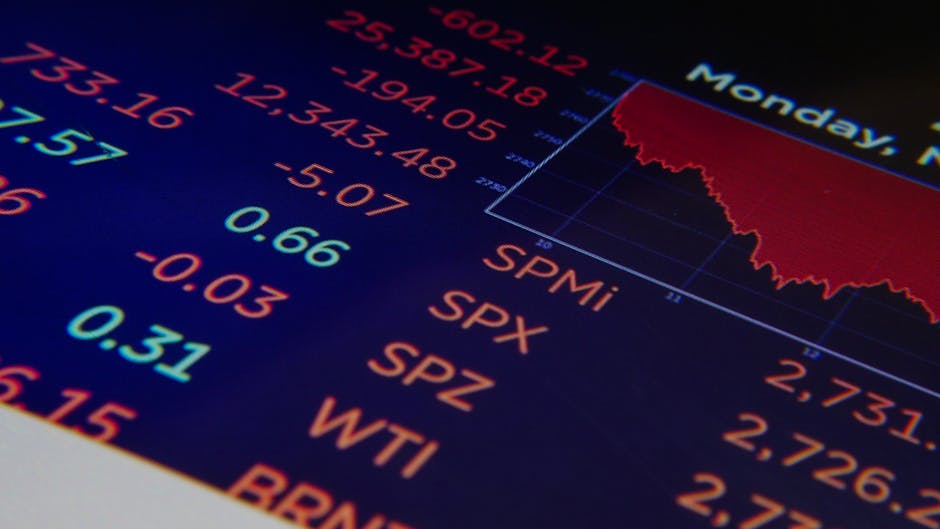
- Traders have placed over $1bn in bets on the Iran conflict, sparking concerns about ethics and market manipulation.
- Some traders have reported gains of up to 500% on their wagers, leading to accusations of insider trading.
- Complex derivatives and financial instruments have enabled traders to place highly leveraged bets on the conflict.
- Major investment banks and brokerages are among the key players involved in the betting activity.
- The Iran war betting phenomenon has raised concerns about market instability and global financial market impact.
The Iran war has sparked a flurry of trading activity, with over $1bn in bets placed on the conflict. This staggering figure has raised eyebrows among market watchers, who are questioning the ethics of such timely and lucrative wagers. The bets, which were placed in the lead-up to the conflict, have yielded significant returns for traders, with some reporting gains of up to 500%. This has led to accusations of insider trading and market manipulation, with many calling for greater transparency and regulation in the industry.
The War Betting Phenomenon

The practice of betting on war and international conflict is not new, but the scale and sophistication of the bets placed on the Iran war are unprecedented. The use of complex derivatives and other financial instruments has allowed traders to place highly leveraged bets on the outcome of the conflict, with some wagers reportedly exceeding $100m. This has raised concerns about the potential for market instability and the impact on global financial markets. As the conflict continues to unfold, it remains to be seen how the bets will play out and what the ultimate cost will be for traders and investors.
Key Players and Interests

The traders who placed the bets on the Iran war are a mix of individual investors and institutional players, including hedge funds and other financial institutions. Some of the key players involved in the betting include major investment banks and brokerages, which have been accused of facilitating the trades and providing the necessary infrastructure for the bets to be placed. The identities of the individual traders involved in the bets have not been disclosed, but it is believed that they include some of the most prominent and influential figures in the financial industry. As the investigation into the bets continues, it is likely that more information will come to light about the key players and their interests.
Causes and Consequences
The causes of the war betting phenomenon are complex and multifaceted, but they are rooted in a combination of factors, including the increasing sophistication of financial markets and the growing demand for high-yield investments. The consequences of the bets, however, are far-reaching and have the potential to impact not only the financial industry but also the broader economy. The potential for market instability and the impact on global financial markets are significant concerns, and regulators are under pressure to take action to prevent similar situations from arising in the future. As the situation continues to unfold, it remains to be seen how the bets will play out and what the ultimate cost will be for traders, investors, and the wider economy.
Implications and Repercussions
The implications of the war betting phenomenon are significant, and they have the potential to impact a wide range of stakeholders, including traders, investors, and the broader economy. The repercussions of the bets are already being felt, with some traders reporting significant losses and others facing scrutiny from regulators. The impact on the financial industry is likely to be significant, with some predicting that the bets could lead to a major overhaul of the regulatory framework. As the situation continues to unfold, it remains to be seen how the bets will play out and what the ultimate cost will be for those involved.
Expert Perspectives
Experts are divided on the issue of war betting, with some arguing that it is a legitimate form of investment and others condemning it as unethical and potentially destabilizing. Some have argued that the bets are a form of insurance, allowing traders to hedge against potential losses and providing a necessary function in the market. Others, however, have argued that the bets are nothing more than a form of gambling, and that they have the potential to exacerbate market volatility and instability. As the debate continues, it is clear that there are no easy answers, and that the issue of war betting will remain a contentious and complex one.
Looking to the future, it is clear that the war betting phenomenon will have significant implications for the financial industry and the broader economy. As regulators and policymakers grapple with the issue, it remains to be seen how the situation will play out and what the ultimate cost will be for those involved. One thing is certain, however: the issue of war betting will continue to be a major topic of debate and discussion in the months and years to come, and it will require careful consideration and analysis to ensure that the financial industry is able to operate in a fair, transparent, and stable manner.