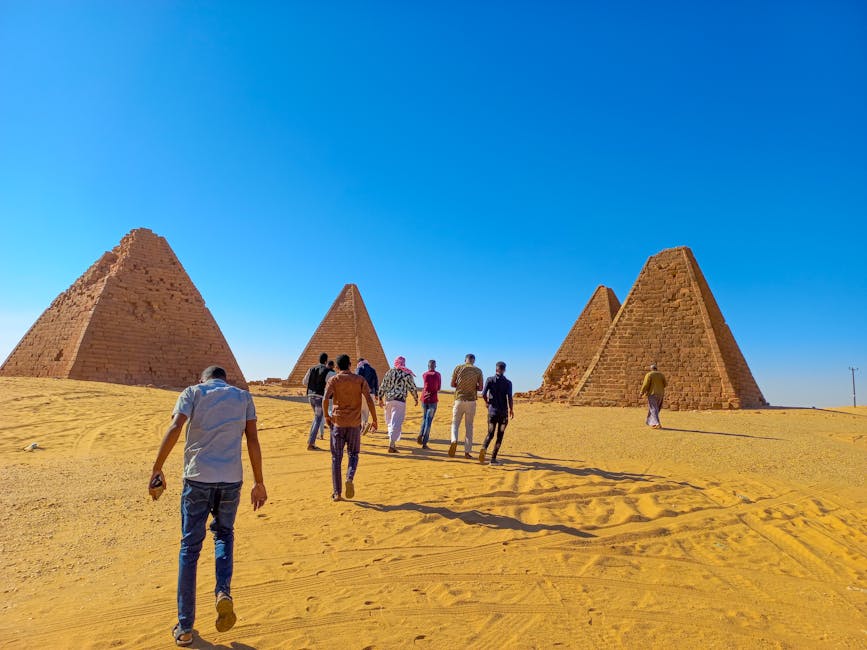
- Over 1,000 Sudanese refugees have arrived in Morocco in the past year, with many more expected to follow due to ongoing conflict in Sudan.
- Refugees often face a complex and bureaucratic process when seeking asylum in Morocco, leading to a state of limbo.
- Sudanese refugees in Morocco struggle with limited access to basic necessities like food, shelter, and healthcare.
- The journey to Morocco is often long and arduous, involving treacherous desert crossings and potential violence.
- Upon arrival, refugees may face detention and deportation in neighboring countries before reaching Morocco.
The number of Sudanese refugees arriving in Morocco has surged in recent years, with many fleeing the ongoing conflict in their home country. According to the United Nations High Commissioner for Refugees (UNHCR), over 1,000 Sudanese refugees have arrived in Morocco in the past year alone, with many more expected to follow. However, upon arrival, these refugees often find themselves stuck in a state of limbo, struggling to navigate the complex and often bureaucratic process of seeking asylum in the country. With limited access to basic necessities like food, shelter, and healthcare, these refugees are facing a desperate fight for survival.
The Journey to Morocco

The journey to Morocco is often long and arduous, with many refugees traveling through multiple countries before reaching their destination. For those fleeing Sudan, the journey typically begins with a treacherous crossing of the desert, where refugees must contend with harsh weather conditions, limited access to food and water, and the ever-present threat of violence. From there, many travel to neighboring countries like Libya or Egypt, where they may face further challenges, including detention and deportation. Despite these obstacles, thousands of Sudanese refugees have made the journey to Morocco, driven by the hope of finding safety and security in the country.
Challenges in Morocco

Upon arrival in Morocco, Sudanese refugees often face significant challenges, including limited access to basic necessities like food, shelter, and healthcare. The country’s asylum process is notoriously complex and bureaucratic, with many refugees waiting months or even years for their claims to be processed. In the meantime, these individuals are often forced to live in poverty, relying on the charity of others to survive. The Moroccan government has taken steps to address the issue, including the establishment of a new asylum law in 2014, but much work remains to be done to ensure that these refugees receive the protection and support they need.
International Response
The international community has been criticized for its response to the refugee crisis in Morocco, with many arguing that more needs to be done to support those in need. The UNHCR has called on governments to provide increased funding and support to help address the crisis, while non-governmental organizations (NGOs) have worked tirelessly to provide aid and assistance to refugees on the ground. However, despite these efforts, the crisis continues to worsen, with thousands of refugees remaining stuck in limbo, unsure of their future. The international community must do more to address the root causes of this crisis, including the ongoing conflict in Sudan, and work to provide a safe and sustainable solution for those affected.
Humanitarian Impact
The humanitarian impact of the refugee crisis in Morocco is significant, with thousands of people affected. Refugees are often forced to live in poverty, with limited access to basic necessities like food, shelter, and healthcare. The psychological toll of the crisis should not be underestimated, with many refugees experiencing trauma, stress, and anxiety as a result of their experiences. Women and children are particularly vulnerable, with many at risk of exploitation and abuse. The Moroccan government and international community must work to provide increased support and protection to these individuals, ensuring that they receive the assistance they need to rebuild their lives.
Expert Perspectives
Experts agree that the refugee crisis in Morocco is a complex and multifaceted issue, requiring a comprehensive and sustainable solution. According to Amnesty International, the Moroccan government must do more to ensure that refugees have access to a fair and efficient asylum process, while the international community must provide increased funding and support to help address the crisis. However, others argue that the solution lies in addressing the root causes of the crisis, including the ongoing conflict in Sudan. As one expert noted, “The only way to truly address this crisis is to address the conflict in Sudan, and work to provide a safe and sustainable solution for those affected.”
As the refugee crisis in Morocco continues to worsen, it remains to be seen how the international community will respond. Will governments and NGOs be able to provide the necessary support and assistance to those in need, or will the crisis continue to escalate? One thing is certain: the situation in Morocco is a stark reminder of the need for a comprehensive and sustainable solution to the global refugee crisis, one that addresses the root causes of displacement and provides protection and support to those affected. As the world watches, it is imperative that we work towards a solution that prioritizes the safety, dignity, and human rights of all individuals, regardless of their nationality or circumstances.