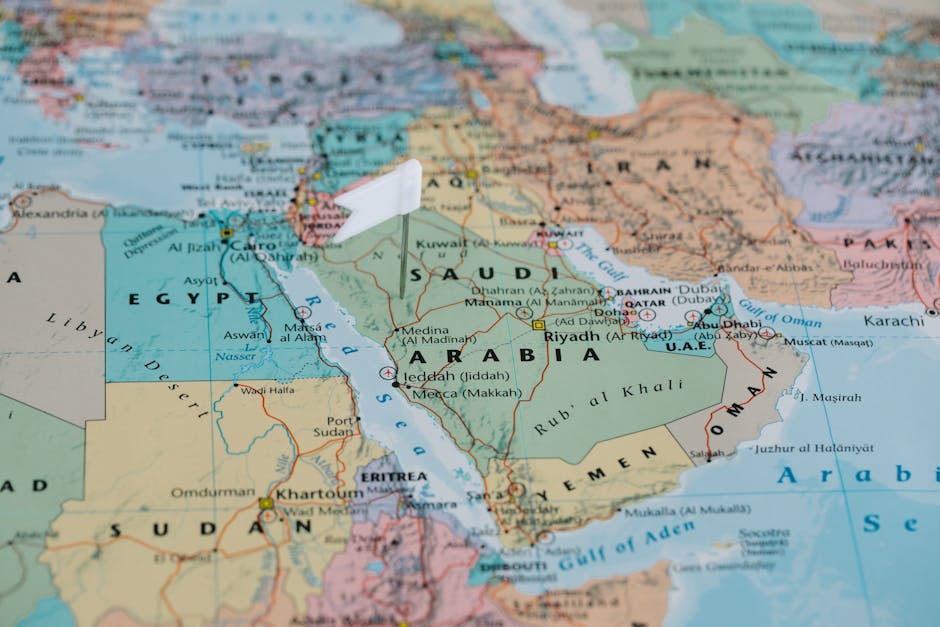
- Global shipping giants like Maersk and COSCO have expressed concerns over Red Sea route stability due to regional tensions.
- The Red Sea is a vital global shipping route, accounting for 10% of international trade traffic, with significant economic implications.
- Regional instability, including conflicts in Yemen and tensions between Iran and Saudi Arabia, pose a threat to the Red Sea’s stability.
- Shippers remain wary of potential disruptions to Red Sea routes despite the Houthi rebels’ pledge to end ship targeting.
- Disruptions to Red Sea routes could have far-reaching consequences for the global economy, which is still recovering from the COVID-19 pandemic.
The world’s top three container operators, including Maersk, COSCO, and CMA CGM, have expressed concerns over the stability of Red Sea routes, despite a recent pledge by Houthi rebels to end their targeting of ships in the region. The concerns stem from the ongoing instability in Gaza and broader regional tensions, which have led to a heightened sense of danger for ships traversing the critical waterway. With the Red Sea being a vital route for international trade, accounting for approximately 10% of global shipping traffic, any disruption to the region’s stability has significant implications for the global economy.
Regional Tensions and Shipping Routes

The Red Sea has long been a critical shipping route, connecting Europe and Asia through the Suez Canal. However, the region has been plagued by instability in recent years, with the conflict in Yemen and tensions between Iran and Saudi Arabia contributing to the uncertainty. The recent Houthi pledge to end their targeting of ships in the region has brought little relief to shippers, who remain wary of the potential for further disruptions. As the global economy continues to grapple with the challenges of the COVID-19 pandemic, the last thing it needs is a major disruption to international trade, making the stability of the Red Sea routes a pressing concern.
Key Players and Interests

The world’s top container operators have significant interests in the Red Sea routes, with many of their ships relying on the Suez Canal to transport goods between Europe and Asia. Maersk, the world’s largest container operator, has already begun to reroute some of its ships around Africa to avoid the Red Sea, a move that will increase costs and transit times. Other operators, such as COSCO and CMA CGM, are also considering similar measures, highlighting the seriousness of the situation. The involvement of major global players has significant implications for the global economy, as any disruption to the region’s stability will have far-reaching consequences.
Analysis and Implications
An analysis of the situation reveals that the concerns of the container operators are not unfounded. The region’s instability, coupled with the ongoing conflict in Yemen, has created a perfect storm of uncertainty. The Houthi pledge to end their targeting of ships in the region is a positive step, but it does little to address the underlying issues driving the instability. As such, the container operators are right to be cautious, and their concerns have significant implications for the global economy. With the Red Sea routes accounting for a significant portion of global shipping traffic, any disruption to the region’s stability will have far-reaching consequences, including increased costs, transit times, and potential shortages of critical goods.
Broader Regional Implications
The instability in the Red Sea has broader regional implications, with the potential to impact not just the global economy but also the stability of the region. The conflict in Yemen, which has been ongoing for several years, has created a humanitarian crisis, with millions of people in need of aid. The situation is further complicated by the involvement of regional players, such as Iran and Saudi Arabia, who have competing interests in the region. As such, the stability of the Red Sea routes is not just a concern for shippers but also for the broader region, highlighting the need for a comprehensive solution to address the underlying issues driving the instability.
Expert Perspectives
Experts in the field have differing opinions on the situation, with some believing that the Houthi pledge to end their targeting of ships in the region is a positive step towards stability. Others, however, are more cautious, highlighting the need for a comprehensive solution to address the underlying issues driving the instability. According to one expert, “the situation in the Red Sea is complex, and there are no easy solutions. However, what is clear is that the stability of the region is critical to the global economy, and as such, it requires a comprehensive and coordinated approach to address the underlying issues.”
Looking forward, the situation in the Red Sea remains uncertain, with many questions still unanswered. Will the Houthi pledge to end their targeting of ships in the region hold? What impact will the ongoing conflict in Yemen have on the stability of the region? And what role will regional players, such as Iran and Saudi Arabia, play in shaping the future of the Red Sea routes? These are just a few of the questions that will need to be answered in the coming weeks and months, highlighting the need for continued vigilance and a coordinated approach to address the challenges facing the region.