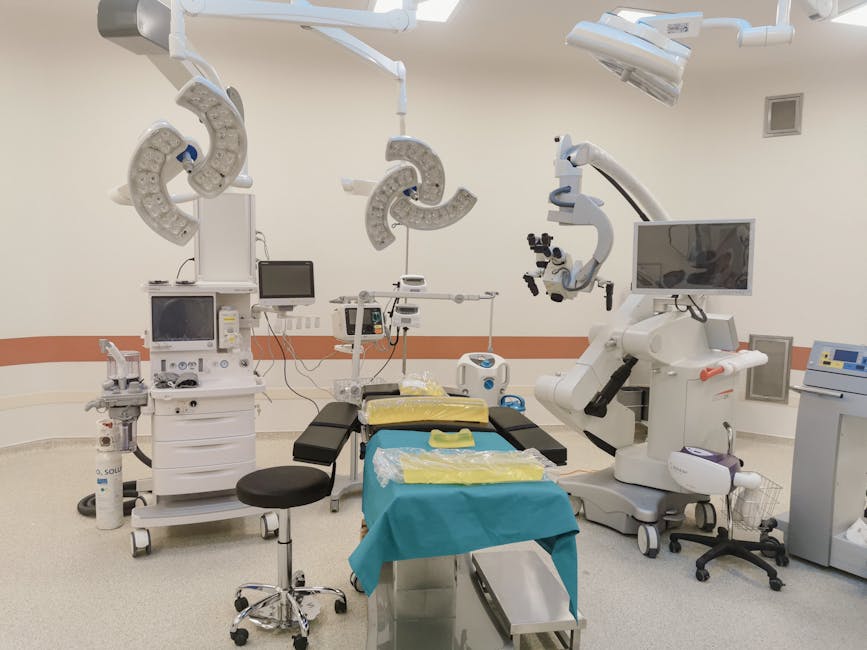
A striking fact in the field of healthcare is that every year, approximately 15 million people worldwide suffer from stroke, with nearly 6 million resulting in death. Among the treatments available for stroke, mechanical thrombectomy (MT) stands out as a life-saving procedure that involves removing blood clots from the brain, significantly improving outcomes when performed promptly. However, the complexity of this procedure and the requirement for specialist expertise have limited its accessibility. Until recently, a significant gap existed in the standardization of robotic systems designed for MT, leaving a void in how these systems should be designed, tested, and evaluated. This gap has now been addressed with the publication of a new position statement in the Journal of the American Heart Association, marking a crucial milestone in the standardization of robotic systems for stroke treatment.
Establishing a Framework for Robotic Stroke Treatment

The importance of establishing a consensus on robotic systems for stroke treatment cannot be overstated. The procedure’s time-sensitive nature and the need for precise expertise make standardization crucial for ensuring patient safety and optimizing outcomes. Without a unified framework, the development and deployment of robotic systems for MT would likely suffer from inconsistencies, potentially leading to varied results and compromised patient care. The new position statement fills this critical gap by providing a blueprint for the design, testing, and evaluation of robotic systems, with patient safety at its core. This development is particularly significant given the limited access to MT due to the specialized skills required, highlighting the potential for robotic systems to expand treatment availability while maintaining high standards of care.
Key Details of the Consensus

The consensus, reached by international experts, outlines specific standards for the development of robotic systems intended for MT. These standards cover a broad spectrum, from the initial design phases through to clinical testing and evaluation. A key aspect of the consensus is the emphasis on patient safety, ensuring that any robotic system designed for MT must adhere to stringent safety protocols to minimize risks and complications. Furthermore, the guidelines address the need for thorough testing and validation of these systems, including both in vitro and in vivo studies, to confirm their efficacy and reliability. By involving a wide range of stakeholders, including clinicians, engineers, and regulatory bodies, the consensus aims to facilitate the development of robotic systems that not only meet but exceed current standards of care for stroke patients.
Analysis and Implications
An analysis of the consensus reveals a multifaceted approach to standardizing robotic systems for MT. By setting clear benchmarks for design, testing, and evaluation, the guidelines pave the way for the creation of more effective and safer robotic systems. The implications of this consensus are far-reaching, with the potential to significantly improve patient outcomes by expanding access to MT. Moreover, the establishment of a unified framework is expected to foster innovation within the field, as manufacturers and developers can now work towards clearly defined goals, driving advancements in robotic technology for healthcare. The data supporting the consensus also underscore the critical role of expert input in shaping the future of stroke treatment, highlighting the importance of interdisciplinary collaboration in addressing complex healthcare challenges.
Expanding Access to Life-Saving Treatment
The implications of the new consensus on robotic systems for stroke treatment are profound, particularly in terms of expanding access to this life-saving procedure. By standardizing the development of robotic systems for MT, the potential for these systems to be deployed more widely increases, bridging the gap in accessibility that currently exists. This expansion could be particularly beneficial in regions or communities where specialist expertise is scarce, offering new hope for patients who might otherwise face limited treatment options. As the global healthcare community continues to grapple with the challenges of stroke treatment, the establishment of clear guidelines for robotic systems represents a significant step forward, underscoring the commitment to improving patient care and outcomes.
Expert Perspectives
Experts in the field have welcomed the new consensus, highlighting its potential to revolutionize stroke care. According to leading clinicians, the standardization of robotic systems for MT will not only enhance patient safety but also facilitate the integration of these technologies into mainstream clinical practice. However, some experts also caution that while the consensus is a critical step forward, ongoing evaluation and refinement of these standards will be necessary as technology continues to evolve. This nuanced view reflects the complexities of implementing new technologies in healthcare, where both the benefits and the challenges must be carefully considered to ensure the best possible outcomes for patients.
Looking forward, the publication of this consensus marks the beginning of a new era in the development and deployment of robotic systems for stroke treatment. As researchers, clinicians, and manufacturers work together to implement these standards, the focus will shift towards monitoring the impact of these systems on patient care and continuously improving their design and functionality. An open question remains regarding how these systems will be integrated into existing healthcare infrastructures, particularly in resource-constrained environments. Nonetheless, the establishment of a global consensus on robotic systems for MT represents a beacon of hope for the millions of people affected by stroke each year, promising a future where life-saving treatments are more accessible and effective than ever before.