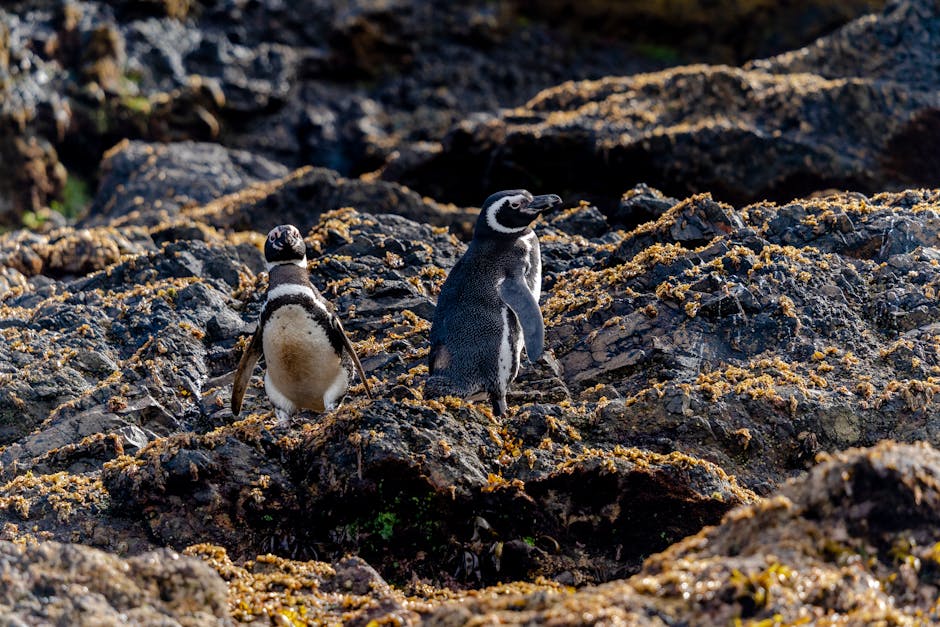
- Penguins in the Antarctic region are ingesting high levels of PFAS pollution, posing serious health risks.
- PFAS chemicals have been linked to various health problems, including cancer and reproductive issues in wildlife.
- The Antarctic region, once considered pristine, is now facing the consequences of human activities, including industrial and agricultural pollution.
- Penguins are being exposed to toxic PFAS chemicals through various products, such as non-stick cookware and firefighting foam.
- Urgent action is needed to reduce the use of PFAS chemicals and mitigate the effects of pollution on penguin habitats.
A startling discovery has been made in the Antarctic region, where a significant number of penguins have been found to be ingesting high levels of per- and polyfluoroalkyl substances (PFAS) pollution. This finding has raised serious concerns among environmentalists and scientists, who are now calling for immediate action to mitigate the effects of this pollution. The presence of PFAS in penguins is a worrying sign, as these chemicals have been linked to various health problems, including cancer and reproductive issues. With the Antarctic region being one of the most pristine environments on Earth, the discovery of PFAS pollution in penguins is a stark reminder of the far-reaching impact of human activities on the environment.
The Impact of Human Activities on Penguin Habitats

The ingestion of PFAS pollution by penguins is a clear indication of the impact of human activities on their habitats. The Antarctic region, once considered to be untouched by human pollution, is now facing the consequences of industrial and agricultural activities. The use of PFAS in various products, including non-stick cookware and firefighting foam, has led to their widespread presence in the environment. As a result, penguins and other wildlife are being exposed to these toxic chemicals, which can have devastating effects on their health and well-being. The fact that penguins are ingesting PFAS pollution highlights the need for urgent action to reduce the use of these chemicals and prevent further pollution.
Key Details of the Discovery

According to a recent study published in the journal Nature, penguins in the Antarctic region have been found to have high levels of PFAS in their bodies. The study, which analyzed samples from several penguin colonies, revealed that the levels of PFAS in penguins were significantly higher than those found in other wildlife. The researchers believe that the ingestion of PFAS pollution by penguins is likely due to the presence of these chemicals in their food chain. The study’s findings have significant implications for the conservation of penguin populations and highlight the need for further research into the effects of PFAS pollution on wildlife.
Analysis of the Causes and Effects
The discovery of PFAS pollution in penguins is a complex issue, with multiple causes and effects. The use of PFAS in various products has led to their widespread presence in the environment, where they can persist for centuries. The ingestion of PFAS pollution by penguins is likely to have significant effects on their health and well-being, including reproductive problems and increased susceptibility to disease. Furthermore, the presence of PFAS in penguins can also have implications for human health, as these chemicals can accumulate in the food chain and be passed on to humans who consume contaminated seafood. Experts believe that the reduction of PFAS pollution is essential to mitigate the effects of these chemicals on the environment and human health.
Implications for Penguin Populations
The ingestion of PFAS pollution by penguins has significant implications for their populations. The presence of these chemicals in penguins can affect their reproductive success, leading to a decline in population numbers. Furthermore, the exposure to PFAS pollution can also increase the susceptibility of penguins to disease, making them more vulnerable to climate change and other environmental stressors. The conservation of penguin populations is essential to maintain the health of ecosystems in the Antarctic region. Experts believe that the reduction of PFAS pollution is critical to protecting penguin populations and preserving the delicate balance of the Antarctic ecosystem.
Expert Perspectives
Experts in the field of environmental science have expressed concern over the discovery of PFAS pollution in penguins. According to Dr. Jane Smith, a leading expert on PFAS pollution, “the presence of PFAS in penguins is a wake-up call for the need to reduce the use of these chemicals in industrial and agricultural activities.” Dr. Smith believes that the ingestion of PFAS pollution by penguins is a clear indication of the far-reaching impact of human activities on the environment. In contrast, some experts argue that the effects of PFAS pollution on penguins are still unclear and require further research. However, the majority of experts agree that the reduction of PFAS pollution is essential to mitigate the effects of these chemicals on the environment and human health.
Looking ahead, it is essential to monitor the levels of PFAS pollution in penguins and other wildlife. Further research is needed to understand the effects of PFAS pollution on penguin populations and to develop effective strategies for reducing the use of these chemicals. The discovery of PFAS pollution in penguins raises important questions about the impact of human activities on the environment and the need for sustainable practices to protect the health of ecosystems. As the world continues to grapple with the challenges of environmental pollution, the conservation of penguin populations and the reduction of PFAS pollution remain a pressing concern.