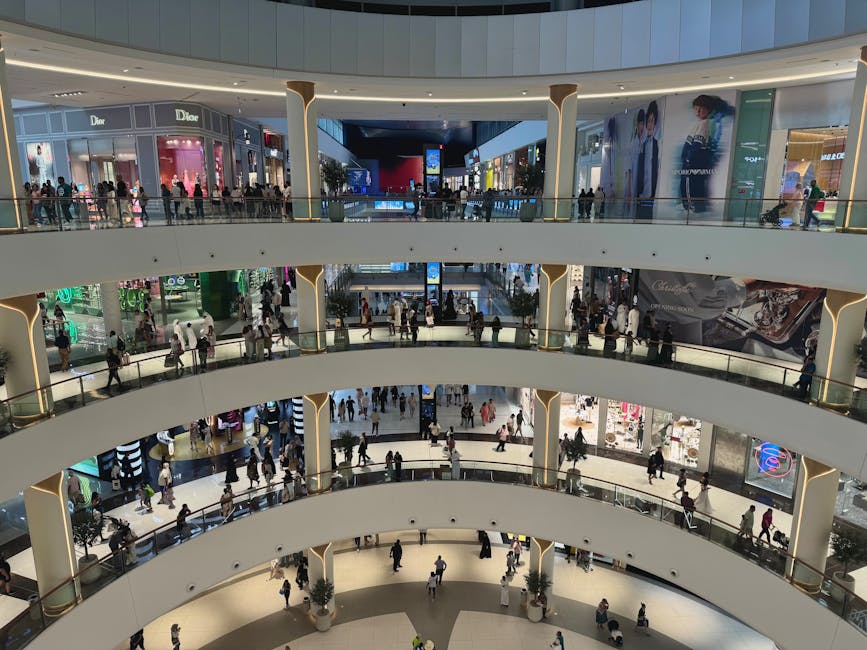
- Luxury brands are shifting focus away from the Middle East due to declining sales and conflict.
- The Persian Gulf nations, a significant contributor to the global luxury market, are experiencing unprecedented sales declines.
- High-end brands like Louis Vuitton and Hermès are reevaluating their strategies and exploring alternative regions to invest in.
- The luxury market is undergoing a significant shift, with brands looking to new opportunities in other parts of the world.
- The ongoing conflict has caused a decline in consumer spending and a shift in investment priorities in the Middle East.
The Middle East, once a thriving market for luxury brands, has witnessed a significant decline in sales due to the ongoing conflict in the region. With the Persian Gulf nations being a significant contributor to the global luxury market, the damage caused by the war has forced high-end brands such as Louis Vuitton and Hermès to reevaluate their strategies and look for alternative regions to invest in. The sales decline has been unprecedented, with some brands experiencing a drop of up to 30% in the past year alone. As a result, the luxury market is undergoing a significant shift, with brands exploring new opportunities in other parts of the world.
Luxury Market in the Middle East: A Background

The Middle East has long been an attractive market for luxury brands, with its affluent population and growing economy. The region’s luxury market was valued at over $10 billion in 2020, with the United Arab Emirates, Saudi Arabia, and Qatar being the largest contributors. However, the ongoing conflict has disrupted the market, causing a decline in consumer spending and a shift in investment priorities. The situation has become increasingly challenging for luxury brands, which have traditionally relied on the Middle East as a key growth driver. As the conflict continues to escalate, luxury brands are being forced to adapt to the new reality and explore alternative markets.
Key Players and Their Strategies

High-end brands such as Louis Vuitton, Hermès, and Gucci have been among the hardest hit by the decline in luxury sales in the Middle East. These brands have traditionally maintained a strong presence in the region, with multiple stores and a significant marketing investment. However, as sales have declined, they have been forced to reevaluate their strategies and look for new opportunities. Some brands have chosen to invest in emerging markets such as Asia and Africa, while others have focused on digital transformation and e-commerce. For example, Louis Vuitton has launched a new e-commerce platform in the Middle East, targeting customers who are increasingly shopping online. Meanwhile, Hermès has announced plans to expand its presence in China, where the luxury market continues to grow.
Analysis of the Situation
The decline in luxury sales in the Middle East can be attributed to a combination of factors, including the ongoing conflict, economic uncertainty, and a shift in consumer behavior. The conflict has caused a decline in tourist arrivals, which has had a significant impact on luxury sales. Additionally, the economic uncertainty has led to a decrease in consumer spending, as individuals become more cautious about their purchases. The situation has been further exacerbated by the rise of e-commerce, which has changed the way consumers shop for luxury goods. As a result, luxury brands are being forced to adapt to the new reality and invest in digital transformation, omnichannel retailing, and data analytics. According to a recent report, the luxury market in the Middle East is expected to decline by 10% in the next year, making it essential for brands to diversify their investments and explore new opportunities.
Implications for the Luxury Industry
The decline in luxury sales in the Middle East has significant implications for the luxury industry as a whole. The region has traditionally been a key growth driver for luxury brands, and the decline in sales will have a ripple effect on the global luxury market. The situation will also have an impact on the regional economy, as the luxury industry is a significant contributor to the GDP of countries such as the United Arab Emirates and Saudi Arabia. Furthermore, the decline in luxury sales will also affect the employment market, as brands are forced to reduce their workforce and investment in the region. As a result, it is essential for luxury brands to diversify their investments and explore new opportunities to mitigate the impact of the decline in sales.
Expert Perspectives
Experts in the luxury industry have mixed views on the situation, with some believing that the decline in sales is a temporary setback, while others see it as a permanent shift. According to a recent survey, 60% of luxury executives believe that the Middle East will continue to be an important market for luxury brands, while 40% believe that the region will no longer be a key growth driver. Some experts also believe that the decline in sales presents an opportunity for luxury brands to invest in emerging markets and explore new opportunities. As one expert noted, “The decline in luxury sales in the Middle East is a wake-up call for luxury brands to diversify their investments and explore new opportunities. The region will continue to be an important market, but brands need to adapt to the new reality and invest in digital transformation and emerging markets.”
As the situation continues to evolve, it will be essential to watch how luxury brands adapt to the new reality and invest in new opportunities. One open question is whether the decline in luxury sales in the Middle East will have a long-term impact on the global luxury market, or if it will be a temporary setback. Additionally, it will be interesting to see how luxury brands balance their investments in the region with the need to explore new opportunities and diversify their portfolios. As the luxury industry continues to evolve, one thing is certain – the decline in luxury sales in the Middle East will have a significant impact on the global luxury market, and brands need to be prepared to adapt to the new reality.