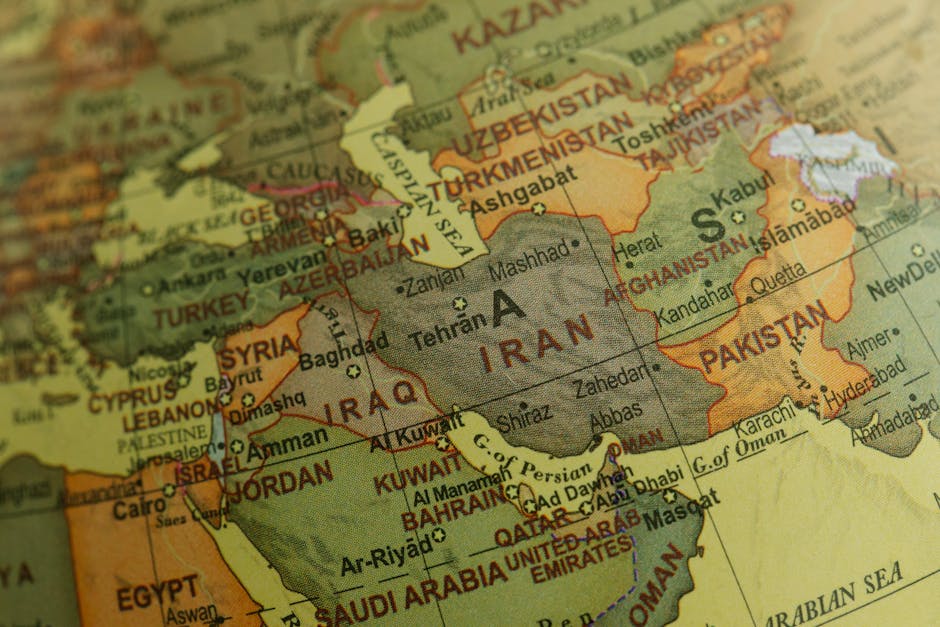
- The Strait of Hormuz is a critical waterway, with nearly 20% of the world’s oil passing through it, making it a vital component of the global economy.
- Iran’s control of the strait has significant implications for global energy markets and economic stability.
- The current tensions between Iran and the US have been escalating for months, with the US withdrawal from the JCPOA in 2018 being a major turning point.
- The US naval blockade of Iran’s ports has been condemned by Iran as ‘a clumsy and ignorant decision’, further complicating the situation.
- The international community is increasingly concerned about the potential for conflict and its impact on global energy markets.
The Strait of Hormuz, a critical waterway connecting the Persian Gulf to the Arabian Sea, has become a focal point of escalating tensions between Iran and the United States. In a striking move, Iran has reasserted its control over the strategic strait, prompting a strong warning from US President Donald Trump against any attempts at ‘blackmail’. The development comes as top Iranian negotiator Mohammad Bagher Ghalibaf condemned the US naval blockade of Iran’s ports as ‘a clumsy and ignorant decision’. With nearly 20% of the world’s oil passing through the Hormuz Strait, the situation has significant implications for global energy markets and economic stability.
Background to the Crisis

The current tensions between Iran and the US have been building for months, with the US withdrawal from the Joint Comprehensive Plan of Action (JCPOA) in 2018 marking a significant turning point. The subsequent reimposition of economic sanctions on Iran has had a devastating impact on the country’s economy, leading to widespread protests and instability. The situation has been further complicated by the presence of US naval vessels in the region, which Iran views as a threat to its sovereignty. As the situation continues to deteriorate, the international community is increasingly concerned about the potential for conflict and the impact on global energy markets.
Key Details of the Dispute

The US naval blockade of Iran’s ports has been a major point of contention in recent weeks, with Iran accusing the US of attempting to strangle its economy. In response, Iran has threatened to close the Hormuz Strait, a move that would have significant implications for global oil supplies. The US has thus far refused to back down, with President Trump warning Iran against any attempts to restrict navigation through the strait. The situation has been further complicated by the presence of other regional actors, including Saudi Arabia and the United Arab Emirates, which have significant interests in the region. As the dispute continues to escalate, the potential for miscalculation and conflict is increasingly high.
Analysis of the Crisis
Experts point to a combination of factors as contributing to the current crisis, including the US withdrawal from the JCPOA and the subsequent reimposition of economic sanctions on Iran. The situation has been further complicated by the presence of US naval vessels in the region, which Iran views as a threat to its sovereignty. Data suggests that the blockade has had a significant impact on Iran’s economy, with oil exports plummeting in recent months. According to experts, the situation is unlikely to improve in the near term, with the potential for further escalation and conflict. As the situation continues to deteriorate, the international community is increasingly concerned about the potential for a wider conflict and the impact on global energy markets.
Implications of the Crisis
The current crisis has significant implications for a wide range of actors, including global energy markets, regional stability, and the international community. The potential for conflict and disruption to oil supplies is increasingly high, with significant implications for the global economy. According to experts, the situation is unlikely to improve in the near term, with the potential for further escalation and conflict. As the situation continues to deteriorate, the international community is increasingly concerned about the potential for a wider conflict and the impact on global energy markets. The crisis also has significant implications for regional stability, with the potential for a wider conflict involving other regional actors.
Expert Perspectives
Experts offer contrasting viewpoints on the current crisis, with some arguing that the US is attempting to strangle Iran’s economy through the naval blockade. Others point to the significant implications of the crisis for global energy markets and regional stability. According to Dr. Sanam Vakil, a specialist on Iranian affairs, ‘the situation is increasingly volatile, with the potential for further escalation and conflict’. In contrast, Dr. Kenneth Katzman, a specialist on US-Iran relations, argues that ‘the US is attempting to pressure Iran into renegotiating the JCPOA, but the situation is increasingly complicated by the presence of other regional actors’.
As the situation continues to deteriorate, the international community is increasingly concerned about the potential for a wider conflict and the impact on global energy markets. The crisis is likely to be a major focus of attention in the coming weeks and months, with significant implications for regional stability and the global economy. According to experts, the key question is what will happen next, with the potential for further escalation and conflict. As the situation continues to unfold, the international community will be watching closely to see how the crisis is resolved and what implications it will have for the region and the world.