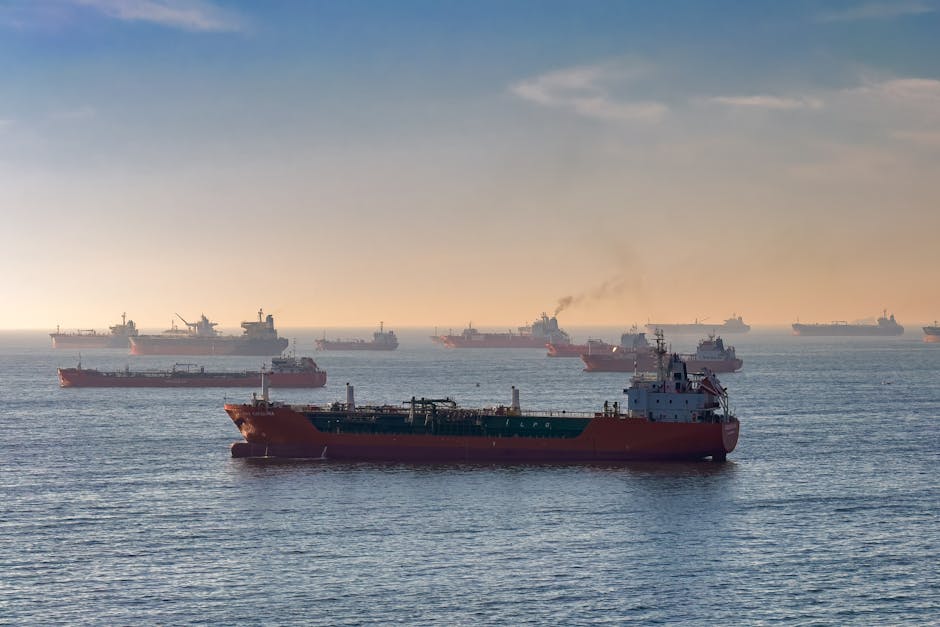
- Iran has closed the Strait of Hormuz in response to a US blockade of its ports, escalating tensions between the two nations.
- The Strait of Hormuz is a critical waterway, with nearly a third of the world’s seaborne oil passing through it, making the closure a major concern for global energy markets.
- The dispute over the Strait of Hormuz is a long-standing one, with the US seeking to counter Iran’s influence in the region and Iran determined to protect its national security.
- The closure of the Strait of Hormuz has the potential to send shockwaves through the global economy, with far-reaching consequences for oil prices and trade.
- The crisis in the Strait of Hormuz is a strategic flashpoint in the region, with both the US and Iran vying for control and influence.
The Strait of Hormuz, a critical waterway for international oil trade, has been closed by Iran, sparking fears of a significant escalation in tensions between Tehran and Washington. The Islamic Revolutionary Guard Corps (IRGC) announced that the strait will remain closed until the US stops its blockade of Iranian ports, a move that has been widely seen as a provocative step in the ongoing standoff between the two nations. With nearly a third of the world’s seaborne oil passing through the strait, the closure has the potential to send shockwaves through global energy markets and beyond.
The Dispute Over the Strait

The current crisis in the Strait of Hormuz is the latest chapter in a long-standing dispute between Iran and the US, with the waterway at the center of the conflict. The strait, which connects the Persian Gulf to the Gulf of Oman, is not only a vital artery for the global oil trade but also a strategic flashpoint in the region. The US has long been concerned about Iran’s influence in the area and has sought to counter its presence through a combination of military and economic means. Meanwhile, Iran sees the strait as a vital part of its own national security and has repeatedly warned that it will take any necessary measures to protect its interests.
Key Developments in the Crisis

According to the IRGC, the decision to close the Strait of Hormuz was made in response to the US blockade of Iranian ports, which has severely impacted the country’s ability to export oil and import essential goods. The move has been condemned by the US and its allies, who see it as an attempt by Iran to exert pressure on the international community. The crisis has also drawn in other regional players, with Saudi Arabia and the United Arab Emirates expressing concern about the impact of the strait’s closure on their own oil exports. As the situation continues to unfold, the international community is watching with bated breath, aware that any miscalculation could have far-reaching consequences.
Understanding the Implications
The closure of the Strait of Hormuz has significant implications for the global economy, as well as for regional stability. With the strait closed, oil tankers are being forced to take longer, more expensive routes to deliver their cargo, which could lead to higher prices at the pump and increased costs for businesses and consumers. The crisis also has the potential to draw in other nations, including China and the European Union, which have significant economic interests in the region. As the situation continues to escalate, there are growing concerns about the potential for miscalculation or accidental conflict, which could have devastating consequences for the entire region.
Regional Fallout and Global Concerns
The closure of the Strait of Hormuz is having a ripple effect across the region, with neighboring countries scrambling to respond to the crisis. The UAE and Saudi Arabia, both major oil producers, are exploring alternative routes for their exports, while other nations, such as China and India, are seeking to minimize their dependence on oil from the region. The international community is also calling for calm and restraint, with the United Nations and the European Union urging both sides to engage in dialogue and find a peaceful resolution to the crisis. As the situation continues to unfold, it is clear that the closure of the Strait of Hormuz has far-reaching implications, not just for the region, but for the entire world.
Expert Perspectives
Experts are divided on the implications of the Strait of Hormuz closure, with some seeing it as a calculated move by Iran to gain leverage in its negotiations with the US, while others view it as a reckless and provocative step that could have unintended consequences. According to Dr. Sanam Vakil, a Middle East expert at Chatham House, the closure of the strait is a clear indication of Iran’s willingness to take risks and push the boundaries of what is considered acceptable behavior in the region. On the other hand, Dr. Trita Parsi, a specialist on Iranian foreign policy, believes that the move is a desperate attempt by Tehran to respond to the crippling economic sanctions imposed by the US.
As the situation continues to evolve, one thing is clear: the closure of the Strait of Hormuz has the potential to be a major turning point in the conflict between Iran and the US. With both sides dug in and refusing to back down, the international community will be watching with bated breath to see how the crisis unfolds and what the ultimate consequences will be. Will the two nations be able to find a way out of the impasse, or will the situation continue to escalate, with potentially disastrous consequences for the entire region?