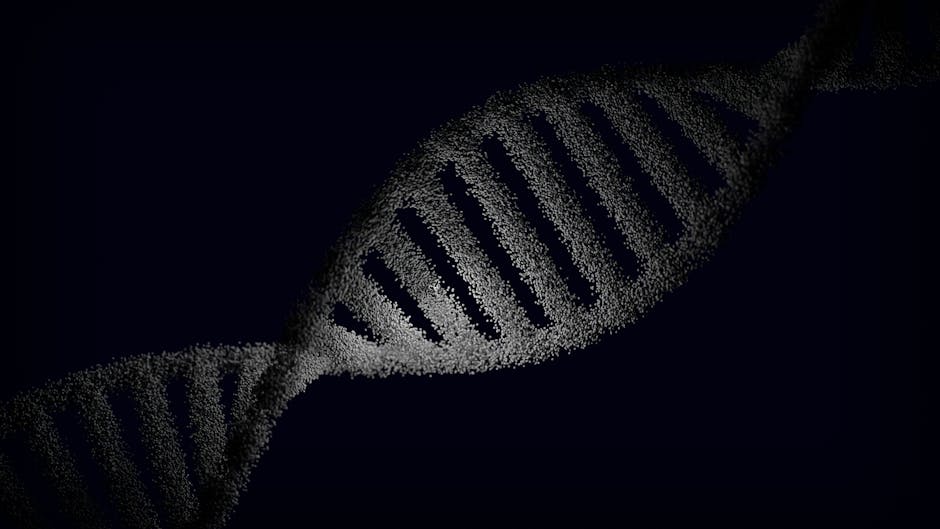
- Human evolution did not stop 10,000 years ago, and natural selection is still shaping human genes.
- A recent study analyzed ancient DNA and found hundreds of human genes being molded by natural selection.
- The discovery challenges the long-held assumption that humans remained largely unchanged since civilization began.
- Our species is still evolving in response to its environment, according to the study’s findings.
- The human genome is still dynamic and closely tied to environmental factors.
A striking fact has emerged from the field of genetics: despite what was previously thought, human evolution did not grind to a halt 10,000 years ago. In fact, a new study has found that nature is still actively molding human genes, with hundreds of them being shaped by natural selection in recent millennia. This discovery challenges the long-held assumption that humans have remained largely unchanged since the dawn of civilization. The findings, based on an analysis of ancient DNA, suggest that our species is still evolving in response to its environment, and that this process is ongoing.
The Evolutionary Timeline

The notion that human evolution slowed to a crawl with the advent of agriculture and settled societies has been a topic of debate among scientists for some time. However, this new research indicates that natural selection – the driving force behind evolution – has continued to play a significant role in shaping the human genome. The study’s authors analyzed DNA samples from ancient humans, looking for signs of adaptation to different environments and lifestyles. By comparing these samples to modern DNA, they were able to identify which genes had been subject to natural selection, and how they had changed over time. This research matters now because it highlights the dynamic nature of human evolution, and how our species is still closely tied to its environment.
Uncovering the Genetic Evidence

The key to this study lay in the analysis of ancient DNA, which provided a unique window into the past. By examining the genetic material of humans who lived in different parts of the world, at different times, the researchers were able to identify patterns of adaptation that had occurred in response to various environmental pressures. For example, they found that genes related to diet and nutrition had been shaped by natural selection in populations that had adopted agriculture, while genes related to immune function had been shaped in populations that had been exposed to new diseases. The researchers also identified genes that had been influenced by climate, with populations living in colder regions showing adaptations that helped them to conserve heat. These findings demonstrate that human evolution is a highly nuanced and complex process, and one that is still ongoing.
Understanding the Mechanisms of Evolution
The study’s findings have significant implications for our understanding of the mechanisms of evolution. By analyzing the genetic data, the researchers were able to identify the specific mechanisms by which natural selection had acted on the human genome. They found that many of the genes that had been shaped by selection were involved in complex traits, such as height, skin color, and intelligence. This suggests that evolution is not just a matter of individual genes, but rather a complex interplay between multiple genes and environmental factors. The researchers also found that the pace of evolution had varied over time, with some periods showing more rapid change than others. This analysis provides a fascinating glimpse into the ongoing process of human evolution, and highlights the many factors that influence our species’ development.
Implications for Human Health
The implications of this study are far-reaching, and have significant consequences for our understanding of human health. By recognizing that evolution is still an ongoing process, we can better appreciate the complex interplay between our genes and the environment. This knowledge can be used to inform strategies for disease prevention and treatment, as well as to develop more effective public health policies. For example, understanding how genetic adaptations to diet and lifestyle have occurred in different populations can help us to develop targeted interventions to reduce the risk of chronic diseases such as obesity and diabetes. Additionally, recognizing the ongoing nature of evolution can help us to anticipate and prepare for future challenges, such as the emergence of new diseases or the impacts of climate change.
Expert Perspectives
Experts in the field have welcomed the study’s findings, highlighting the significance of this research for our understanding of human evolution. While some have cautioned that the study’s results should be interpreted with care, others have emphasized the importance of recognizing the ongoing nature of evolution. As one expert noted, “This study shows that evolution is not just something that happened in the past, but is an ongoing process that is still shaping our species today.” Another expert added, “The findings of this study have significant implications for our understanding of human health and disease, and highlight the need for a more nuanced approach to public health policy.”
As we look to the future, it is clear that this research raises more questions than it answers. What other genes have been shaped by natural selection, and how will they continue to evolve in response to changing environmental pressures? How can we use this knowledge to improve human health and wellbeing, and to develop more effective strategies for disease prevention and treatment? These are just a few of the questions that will need to be addressed in the years to come, as we continue to explore the complex and dynamic nature of human evolution.