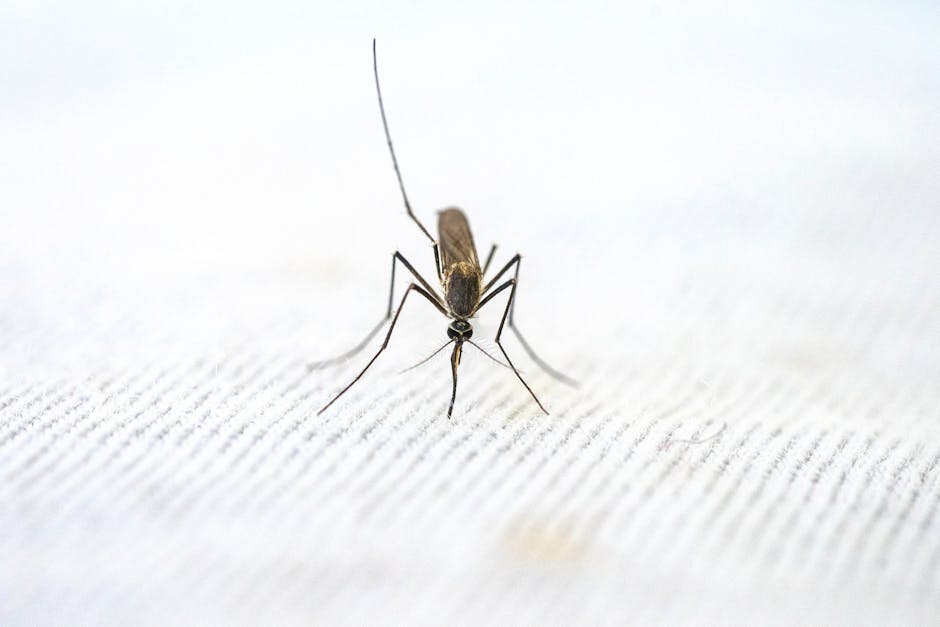
- Malaria still claims hundreds of thousands of lives each year, with 241 million cases reported globally in 2020.
- Eswatini, a small landlocked nation in southern Africa, aims to eliminate malaria entirely by 2025.
- Cross-border transmission is a major obstacle to malaria elimination in Eswatini due to informal migration and climate change.
- Rising temperatures and changing weather patterns create ideal conditions for malaria to spread.
- Despite efforts to control the disease, the number of malaria cases in Eswatini has been rising in recent years.
Malaria, a disease that has plagued humanity for centuries, still claims hundreds of thousands of lives each year. According to the World Health Organization (WHO), there were 241 million cases of malaria reported globally in 2020, resulting in 627,000 deaths. In the small landlocked nation of Eswatini, located in southern Africa, the fight against malaria is particularly challenging. With a population of just 1.2 million people, Eswatini has made significant strides in reducing malaria cases in recent years, but the disease remains a major public health concern. In fact, the country has set an ambitious goal of eliminating malaria entirely by 2025.
The Challenge of Cross-Border Transmission

One of the main obstacles to achieving this goal is the issue of cross-border transmission. Malaria is a highly infectious disease that can be spread through the bite of an infected mosquito, and the movement of people across international borders can facilitate the spread of the disease. In Eswatini, the problem is exacerbated by informal migration, which can make it difficult to track the movement of people and provide them with adequate healthcare. Climate change is also a factor, as rising temperatures and changing weather patterns can create ideal conditions for the spread of malaria. As a result, the number of malaria cases in Eswatini has been rising in recent years, despite the country’s best efforts to control the disease.
Efforts to Eliminate Malaria

Despite the challenges it faces, Eswatini is pushing forward with its efforts to eliminate malaria. The country has established a national insectary, where scientists are working to breed mosquitoes that are resistant to the disease. The insectary is also used to test new methods of controlling mosquito populations, such as the use of genetically modified mosquitoes. In addition, the government has launched a number of initiatives aimed at reducing the spread of malaria, including the distribution of insecticide-treated bed nets and the provision of free malaria testing and treatment. These efforts have been successful in reducing the number of malaria cases in some parts of the country, but more work needs to be done to achieve the goal of elimination.
Understanding the Science of Malaria
To understand the challenges of eliminating malaria, it is essential to understand the science behind the disease. Malaria is caused by a parasite that is transmitted through the bite of an infected mosquito. The parasite then infects the liver and red blood cells, causing a range of symptoms including fever, chills, and flu-like illness. If left untreated, malaria can be fatal, particularly in vulnerable populations such as children and pregnant women. The use of insecticide-treated bed nets and other forms of vector control can help to reduce the spread of the disease, but these methods are not foolproof and can be affected by a range of factors, including the development of resistance to insecticides.
Implications for Global Health
The implications of Eswatini’s efforts to eliminate malaria are far-reaching, with potential benefits for global health. If the country is successful in achieving its goal, it could provide a model for other nations to follow, particularly in Africa, where malaria is a major public health concern. The elimination of malaria would also have significant economic benefits, as the disease is estimated to cost the African economy billions of dollars each year in lost productivity and healthcare costs. Furthermore, the success of Eswatini’s efforts could help to galvanize international support for the global fight against malaria, which is essential for achieving the goal of elimination.
Expert Perspectives
Experts in the field of malaria research and control have praised Eswatini’s efforts to eliminate the disease, but have also highlighted the challenges that the country faces. “Eswatini is taking a comprehensive approach to malaria control, which is essential for achieving elimination,” said one expert. “However, the country will need to continue to innovate and adapt its strategies to address the changing epidemiology of the disease.” Others have emphasized the importance of regional cooperation and international support in the fight against malaria, highlighting the need for a coordinated effort to address the issue of cross-border transmission.
As Eswatini looks to the future, it is clear that the road to malaria elimination will be long and challenging. However, with continued commitment and innovation, the country may yet achieve its ambitious goal, providing a model for other nations to follow and helping to bring an end to the suffering caused by this devastating disease. One key question that remains is how Eswatini will balance its efforts to eliminate malaria with the need to address other pressing public health concerns, such as HIV and tuberculosis. The answer to this question will be crucial in determining the success of the country’s efforts to achieve its health goals.